Step-by-Step Guide to Fix a GE Washing Machine
If you’ve ever found yourself dealing with a malfunctioning GE washing machine, you know how frustrating it can be. You might be wondering how to fix a GE washing machine without calling in a professional. Fortunately, with the right tools and a little guidance, you can tackle common issues yourself. In this step-by-step guide, we’ll walk you through diagnosing problems, addressing leaks, and fixing spin cycle failures. By the end, you’ll feel confident in your ability to get your washer back in working order.
Common GE Washing Machine Issues
You might notice your GE washing machine isn’t spinning properly. If it won’t drain, it could be a clogged hose or a faulty pump. You may find it’s making unusual noises during cycles. Sometimes, the machine doesn’t start at all, which can be frustrating. Your washer might also show error codes, indicating specific issues that need attention.
Tools You’ll Need for Repairs
You’ll need a screwdriver set to access the machine’s internal components. A multimeter’s essential for checking electrical connections and diagnosing issues. Don’t forget a pair of pliers, as they can help with removing hoses and clamps. A bucket or towel’s handy for catching any water during repairs. Lastly, having a flashlight can make it easier to see in tight spaces.
Safety Precautions to Consider
Before you start, you should unplug the washing machine to avoid any electrical hazards. Always wear safety gloves to protect your hands from sharp edges and components. If you’re working with water, using rubber-soled shoes can help prevent slips. Keep your workspace well-lit to reduce the risk of accidents. Lastly, make sure you have a first aid kit nearby just in case of any minor injuries.
Step 1: Diagnosing the Problem
Start by unplugging your washing machine to ensure safety. Check for any visible signs of damage or wear on the power cord. Listen for unusual sounds when you attempt to run a cycle, as that could indicate a deeper issue. Examine the water supply to make sure it’s turned on and functioning properly. Lastly, review any error codes displayed on the machine’s panel for specific troubleshooting hints.
Step 2: Addressing Water Leaks
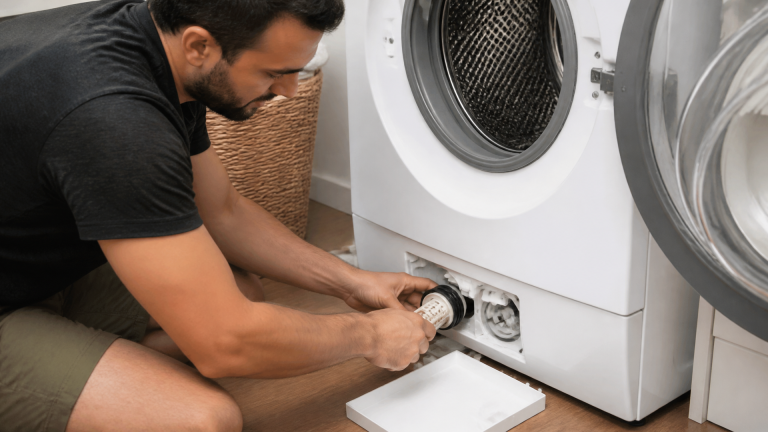
If you notice water pooling around your GE washing machine, you’ll wanna start by checking the hoses. Make sure they’re securely fastened and not damaged or cracked. You should also inspect the door seal for any signs of wear or debris. If everything looks good, test the machine with a small load to see if leaks persist. Don’t forget to check the drain filter, as clogs can cause water to back up.
Step 3: Fixing Spin Cycle Failures
If your washer isn’t spinning, you’ll wanna check the lid switch first. You might find it’s broken or stuck, so give it a quick inspection. Next, you should examine the drive belt for any signs of wear or damage. If the belt’s loose or frayed, it’s time for a replacement. Finally, don’t forget to test the motor coupling; if it’s broken, you’ll need to swap it out.
Step 4: Resolving Strange Noises
If your GE washing machine’s making strange noises, you’ll want to start by checking for loose items in the drum. You should also inspect the drain pump for any obstructions that might be causing the sound. Next, listen closely to the motor; unusual noises can indicate a problem that needs addressing. It’s essential to examine the belts as well; worn or damaged belts can lead to odd sounds during operation. Finally, if you’re still hearing noises, consider calling a professional for a more thorough diagnosis.
Step 5: Troubleshooting Electrical Issues
If your GE washing machine isn’t turning on, check the power cord for any damage. You should also ensure the outlet’s working by plugging in another device. If the machine’s lights flicker, it might indicate a loose connection inside. Make sure the door latch is engaging properly since a faulty latch can prevent operation. Lastly, reset the machine by unplugging it for a few minutes before trying again.
Step 6: Regular Maintenance Tips
You should clean the lint filter after every use to keep your machine running smoothly. It’s important to check the hoses for any signs of wear or leaks regularly. You can also wipe down the exterior with a damp cloth to prevent dirt build-up. Don’t forget to run a maintenance wash with hot water and vinegar monthly to eliminate odor. Lastly, you’ll want to keep the area around your washer clean and clutter-free for proper airflow.
Frequently Asked Questions
What are the common warranty options for ge washing machines?
When it comes to GE washing machines, there are a few common warranty options you might want to consider. Typically, most new GE washers come with a one-year limited warranty that covers parts and labor for defects. You can often extend that coverage with an additional warranty or service plan, which might give you peace of mind for a longer duration. Some retailers also offer their own protection plans, so it’s worth checking what’s available when you purchase your machine. If you’re looking for extra coverage, you should explore options like extended warranties, which can last several years. Just be sure to read the fine print, as terms and conditions can vary depending on the plan you choose.
How can i find a certified technician for ge washing machine repairs?
If you’re looking to find a certified technician for GE washing machine repairs, there are a few steps you can take. Start by visiting GE’s official website, where they often have a list of authorized service providers. You could also check with local appliance repair shops to see if they have technicians certified for GE products. Online review platforms can be helpful too; they often feature reviews and ratings for service providers in your area. Don’t forget to ask friends or family for recommendations, as they may have had good experiences with local technicians. Once you’ve narrowed down your options, reach out to a few to inquire about their certifications and experience with GE washing machines.
Are there any specific ge washing machine models that are more prone to issues?
When it comes to GE washing machines, some models do have a reputation for encountering more issues than others. For instance, certain front-load models have been known to experience problems with mold and mildew due to their design. You might find that older top-load models sometimes struggle with agitation and spinning problems. It’s always a good idea to check online reviews or forums, as they’ll often highlight common issues faced by specific models. If you’re considering a purchase, look into the model’s history for reliability and customer feedback. Ultimately, staying informed can help you avoid potential headaches down the line.
Conclusion
In wrapping up, fixing your GE washing machine doesn’t have to be overwhelming if you follow the right steps. By staying aware of common issues and having the right tools at hand, you can tackle problems effectively. Always prioritize safety to keep yourself protected while working on repairs. Regular maintenance will not only extend the life of your machine but also keep it running smoothly. With a bit of patience and attention, you’ll be well on your way to enjoying a fully functional washing machine again.
If you’re already on a journey to maintain your home appliances, don’t forget to check out our detailed guide on how to clean inside a dishwashing machine. Keeping your dishwasher clean is just as important as fixing your washing machine for optimal performance. For tips and techniques, navigate here: how to clean inside a dishwashing machine.
Explore This Topic
- Back to Repair & Replacement
- Back to Repair & Replacement
Related guides in this cluster: