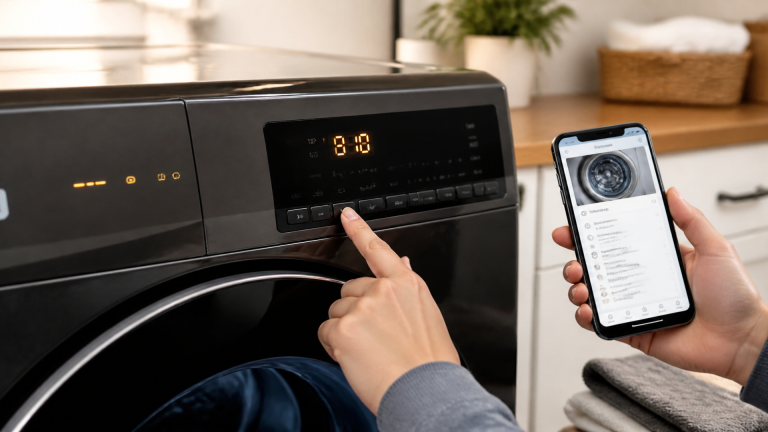
Common causes of a washing machine that leaks
We’ve all experienced the frustration of a washing machine that leaks, and it’s a problem that can disrupt our laundry routine. When we notice water pooling around our appliances, we can’t help but wonder what might be causing it. There are several common issues that we should consider before calling for repairs. From worn hoses to faulty seals, understanding these causes can save us time and money. Let’s dive into some of the most frequent culprits behind that pesky leak.
Key Takeaways
Regular inspection and maintenance of hoses can prevent leaks caused by wear, loose connections, or damaged materials.
Monitoring and replacing worn door seals can prevent water pooling and costly repairs.
Testing and regular inspection of water inlet valves are essential to prevent leaks and ensure proper water flow.
Proper handling of drain hoses and avoiding overloading the machine can help prevent clogs, leaks, and drainage issues.
Common issues with hoses
We’ve noticed that one of the most common issues with hoses is wear and tear. Sometimes, we can find loose connections that cause leaks. We’ve seen that old or cracked hoses often lead to significant water damage. If we don’t check them regularly, it could create a bigger problem. We should always keep an eye on those hoses to prevent leaks.
Worn or damaged door seals
We’ve noticed that worn or damaged door seals can lead to leaks in our washing machines. It often happens over time, with regular use causing wear and tear. When we see water pooling around the door, it’s a sign that the seal might need replacing. If we ignore it, the leaks can worsen and cause more significant damage. Keeping an eye on those seals helps us avoid bigger problems down the line.
Faulty water inlet valves
When it comes to washing machine leaks, we can’t overlook faulty water inlet valves. These components play a crucial role in controlling water flow, and issues with them can lead to significant problems. Let’s dive into the signs of faulty valves, inspection steps, replacement processes, and prevention tips for longevity.
Signs of Faulty Valves
We’ve noticed water pooling around our washing machine. It often makes strange sounds during filling cycles. Sometimes, the clothes come out wetter than usual. We can see visible cracks or damage on the valves. We all know that these signs can’t be ignored.
Inspection and Testing Steps
We’ll start by unplugging the washing machine and turning off the water supply. Then, we’ll inspect the water inlet valves for any visible signs of damage or corrosion. After that, we’ll use a multimeter to test the electrical continuity of the valves. If the readings indicate a problem, we’ll consider replacing them. Finally, we’ll check for any leakage after reassembling everything and turning the water back on.
Replacement Process Overview
We’ll start by unplugging the washing machine and turning off the water supply. Next, we’ll remove the back panel to access the water inlet valves. Once we’ve located the faulty valves, we’ll disconnect the hoses and unscrew them from their mountings. After that, we’ll install the new valves and reattach the hoses securely. Finally, we’ll restore power and water supply, testing for any leaks before putting everything back together.
Prevention Tips for Longevity
To keep our washing machines in top shape, we should regularly check the water inlet valves for signs of wear. We’ve gotta make sure the hoses are properly secured and not cracked or damaged. It’s important to clean the filters to prevent debris buildup that can cause leaks. We ought to avoid overloading the machine, as this can strain the components. Lastly, keeping the area around the washing machine dry can help us spot leaks early on.
Clogged or kinked drain hoses
Now that we’ve tackled faulty water inlet valves, let’s shift our focus to clogged or kinked drain hoses. These issues can lead to significant leaks and disrupt the washing process. We’ll explore the causes behind drain hose problems and discuss how to prevent kinks and clogs.
Causes of Drain Hose Issues
We’ve all seen how debris can build up in the drain hose over time. Sometimes, we forget to check for kinks when moving our washing machines. If we’re not careful, the hose can get pinched behind the machine or in tight spaces. We might also neglect to inspect the connections, leading to leaks. Regular maintenance can help us avoid these frustrating issues.
Preventing Kinks and Clogs
We’ve gotta check the position of our drain hoses regularly. It’s crucial to ensure they’re not bent or kinked during installation. Keeping the hoses elevated helps prevent clogs from forming. We should also clean them out periodically to avoid buildup. By staying proactive, we can save ourselves from future leaks.
Overloading the washing machine
We’ve all been tempted to stuff one more item into the wash, thinking it won’t hurt. When we overload the washing machine, it can cause water to spill out during the cycle. It’s easy to ignore the warning signs until we find a puddle on the floor. After a few times of pushing the limits, we might end up damaging the machine. Let’s remember that less is often more when it comes to laundry loads.
Issues with the detergent
We’ve noticed that using too much detergent can cause our washing machine to leak. It’s frustrating when the suds overflow and create a mess on the floor. Sometimes, the type of detergent we choose can also lead to issues with leaking. We’ve learned that using the wrong formula can cause excessive foam and pressure. Regularly checking our detergent usage helps prevent those leaks from happening.
Problems with the washing machine’s leveling
When our washing machine isn’t level, we often notice leaks on the floor. It can cause water to pool in one area, making everything messier. We should check the legs to ensure they’re adjusted properly. If it’s tilted, the door seal might not sit right, leading to more issues. We’ve found that leveling the machine can significantly reduce leaks.
Frequently Asked Questions
How can i prevent my washing machine from leaking in the future?
To prevent our washing machine from leaking in the future, we should start by regularly checking all the hoses for any signs of wear or damage. We can tighten any loose connections to ensure water isn’t escaping. It’s also a good idea to clean the detergent drawer and door seal, as buildup can lead to leaks. We ought to avoid overloading the machine, which can put extra pressure on its components. Scheduling routine maintenance checks can also help us catch potential issues before they become serious problems. By taking these proactive steps, we can keep our washing machine running smoothly and leak-free.
What are the signs that my washing machine needs professional repair?
When we think about our washing machine needing professional repair, there are a few signs we should keep an eye out for. If we notice unusual noises during the wash cycle, that’s often a red flag that something’s not right. Additionally, if the machine isn’t spinning or draining like it used to, it’s time to take action. We might also see error codes flashing on the display, which can indicate specific issues that require expert attention. If we find ourselves constantly adjusting settings just to get it to work, it’s a sign we shouldn’t ignore. Ultimately, if we’re experiencing any of these problems, it’s best to consult a professional to ensure our washing machine gets the care it needs.
Can using too much detergent cause a washing machine to leak?
Yes, using too much detergent can definitely lead to leaks in our washing machines. When we overload it with soap, it creates excess suds that can overflow from the drum. This buildup of bubbles not only makes a mess, but it can also push water out of places where it shouldn’t escape. We’ve all experienced that frustrating moment of discovering water pooling around our machines. Additionally, the excess suds can interfere with the machine’s normal functioning, causing further issues down the line. So, it’s really important for us to measure our detergent carefully to keep everything running smoothly.
If you’re experiencing issues with your washing machine leaking, it’s essential to ensure that it’s clean and well-maintained. For helpful tips on how to effectively clean your Whirlpool Cabrio washing machine, I highly recommend visiting this page: how to clean whirlpool cabrio washing machine. Keeping your appliance in top condition can prevent leaks and extend its lifespan.
Explore This Topic
- Back to Repair & Replacement
- Back to Repair & Replacement
Related guides in this cluster: