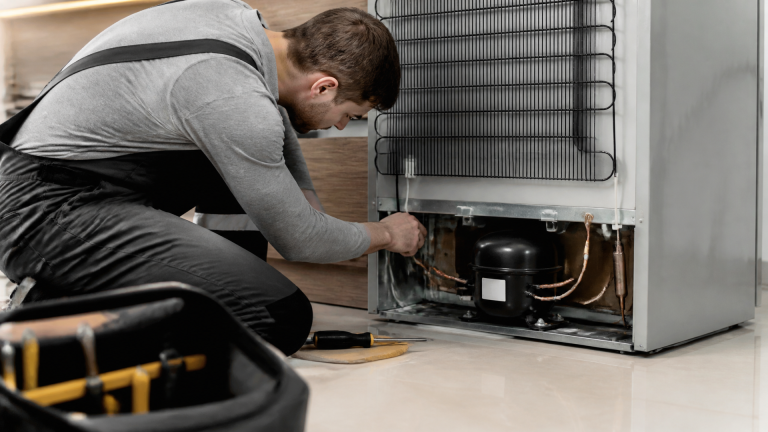
Troubleshooting Common Dryer Motor Problems and Testing Guide
Troubleshooting dryer motor problems can be simple and rewarding! Start by listening for strange noises or checking if it won’t start. Remember to stay safe—unplug the machine and wear your safety gear! Use a multimeter to check for circuit issues, and examine the belt and pulley for wear. If things look tricky or noisy, it might be time to call a pro. Keep going to discover more tips and tricks for fixing that stubborn dryer!
Key Takeaways
- Unplug the dryer before troubleshooting to ensure safety and prevent accidental injury.
- Listen for unusual noises, such as grinding or squeaking, which can indicate motor issues.
- Use a multimeter to test motor resistance; a zero reading means continuity, while infinite indicates a break.
- Inspect and clean electrical connections and components regularly to maintain optimal performance and prevent issues.
- Seek professional help for complex repairs to ensure safety and proper functioning of the dryer.
Understanding Dryer Motor Basics
Understanding how a dryer motor works is like having a secret key to reveal the mysteries of laundry day! This magical component, the dryer motor, plays an essential role in making sure clothes dry efficiently. Inside a dryer, various motor components, like the rotor and stator, work together to spin the drum. The electrical circuits supply the power needed to get this exciting process underway. As the motor hums to life, it creates motion, allowing warm air to flow through and dry the fabric.
When you open the dryer door and see that spin, remember the hard work of these motor components and electrical circuits! They transform a load of wet clothes into fresh, fluffy garments. Understanding the basics of your dryer motor not only helps in maintenance but also gives a little sparkle of appreciation for the everyday magic of laundry day. Keep exploring and learning, and you’ll feel like a laundry superhero!
Common Symptoms of Dryer Motor Issues
When a dryer starts showing signs of trouble, it’s like a puzzle waiting to be solved! There are a few common symptoms that can hint at dryer motor problems. One major red flag is unusual noises. If the dryer sounds like a raccoon is having a party inside, something might be wrong! These sounds can include grinding, squeaking, or rattling, indicating wear or loose parts. Another serious symptom is the failure to start. If the dryer won’t turn on despite pressing the buttons, it’s calling out for help. Both symptoms can be frustrating, but they also provide clues about what needs fixing. Staying calm and observant can help diagnose the issue. Remember, a little patience and thorough investigation can lead to a successful fix! So don’t get discouraged—each problem solved is a victory worth celebrating in the world of appliances!
Safety Precautions Before Troubleshooting
Before diving into troubleshooting a dryer, it’s always wise to prioritize safety. First and foremost, it’s crucial to wear protective gear. Safety goggles and gloves can protect against sharp edges and dust that might fly around. This guarantees that our hands and eyes are safe as we tackle the job.
Next, remember the importance of electrical safety measures. Unplugging the dryer before inspections is a must! This step may seem simple, but it keeps accidents at bay. Working on electrical devices can be risky, and staying cautious is key.
Also, confirm the workspace is dry and clutter-free. A clean area helps prevent any slips or trips, allowing focus on the task at hand. With these precautions in place, one can embrace the challenge of troubleshooting with confidence, knowing they’re well-prepared for the task ahead! Safety first—then let the repair magic happen!
Inspecting the Power Supply
Ensuring a reliable power supply is one of the most important steps in troubleshooting a dryer. If your dryer isn’t working, start by checking the power cord. Look for any visible damage like frays or cuts. A damaged cord could mean your dryer isn’t getting the power it needs. Next, head to your home’s circuit breaker. Sometimes, a tripped breaker can seem innocent but can stop the dryer from operating. If you find it has tripped, simply reset it by switching it back on. Remember, safety first! Always unplug the dryer before checking the power cord or anything inside. By taking these simple steps, you can sort out power issues without too much fuss. It’s like a mini adventure! With each check, you’re getting closer to solving the mystery of your unresponsive dryer. Keep it up! You’re doing great!
Testing the Motor for Continuity
To check if the motor is working properly, testing for continuity is an essential step that can reveal any hidden issues. During motor troubleshooting, continuity testing helps guarantee that electrical connections within the motor are intact. To begin, the power supply should be turned off—safety first! Next, a multimeter is used to measure resistance across the motor’s terminals. If the multimeter shows a reading close to zero, that means there is continuity, and the motor is likely functioning well. However, if the reading is infinite, it indicates a break in the circuit, suggesting the motor may need repair or replacement. It’s like looking for a sneaky culprit hiding in plain sight! Remember, every little step taken brings you closer to fixing your dryer. With a bit of patience and some testing, you can conquer this challenge and get your dryer back on track.
Examining the Drive Belt and Pulley
Once the motor has been tested for continuity, the next step in troubleshooting may involve checking the drive belt and pulley. The drive belt is an important part of the dryer, as it helps to turn the drum. Over time, drive belt wear can occur, causing it to lose its grip or even break. Checking for frays, cracks, or any visible damage is essential.
Next, one should inspect the pulley, ensuring it is correctly aligned. If the pulley is off-kilter, it can lead to unnecessary wear on the drive belt and cause annoying squeaks, like a cat trying to sing! Adjusting the pulley can improve the dryer’s performance, keeping things running smoothly.
If both the drive belt and pulley look good, it’s a positive sign. Remember, a little maintenance goes a long way—keep up the great work, and your dryer will reward you!
Analyzing the Start Switch and Capacitor
When troubleshooting a dryer, the start switch and capacitor play important roles in getting things moving. Testing the start switch can reveal if it’s truly working, while checking the capacitor guarantees it’s good at storing energy when needed. By examining these parts, one can often pinpoint the issue and get the dryer back to tumbling clothes in no time!
Testing the Start Switch
Many homeowners find themselves puzzled when their dryer won’t start, and often, the start switch is the culprit. To test the switch, one must first inspect the start switch wiring for any visible damage or loose connections. If everything looks good, it’s time for a switch continuity test. This involves using a multimeter to check for continuity when the switch is pressed. If the meter shows no continuity, that’s a clear sign the switch needs replacing. Remember, the dryer’s functionality depends on this small part, so don’t overlook it! With a little patience, you can diagnose the issue. Stay motivated—fixing your dryer can be a rewarding experience, and soon you’ll be back to enjoying fresh laundry!
Capacitor Functionality Check
How can a simple capacitor make such a big difference in a dryer’s performance? This tiny component often helps start the dryer motor, giving it the boost it needs to run smoothly. If the dryer isn’t starting, capacitor testing can help identify if it needs a replacement.
Capacitor Testing Steps
| Step | Action |
|---|---|
| 1 | Unplug the dryer |
| 2 | Access the capacitor |
| 3 | Use a multimeter |
| 4 | Check for voltage |
| 5 | Replace if faulty |
When performing capacitor replacement, always remember to discharge it carefully. With some patience and determination, troubleshooting will lead to a working dryer once again. Keep going; you’ve got this!
When to Call a Professional
Is there a point when a do-it-yourself fix just isn’t enough? Yes, sometimes signs will pop up indicating it’s time to call a professional. Tackling dryer motor problems can be a fun challenge, but knowing when to seek help is crucial. Here are some signs needing assistance:
- Strange noises that won’t go away
- Heat issues where clothes aren’t drying
- Frequent tripping of the circuit breaker
- Flashing error codes on the control panel
Before deciding, consider cost evaluation considerations. DIY repairs can save money, but they may lead to more expenses if done incorrectly. If a repair seems complicated or the problem persists, don’t hesitate to get expert help. Professionals have the tools and knowledge needed to guarantee your dryer is safe and running smoothly. Remember, seeking help isn’t a failure; it’s a smart way to keep your appliance in tip-top shape.
Frequently Asked Questions
What Tools Are Necessary for Dryer Motor Troubleshooting?
For effective dryer motor troubleshooting, essential tools include a screwdriver set for disassembly and a voltage tester to check electrical components. These instruments aid in diagnosing issues and ensuring safe repairs during the troubleshooting process.
Can I Lubricate the Dryer Motor?
Dryer motors, like well-oiled machines, thrive on proper care. Motor lubrication is not typically recommended, but maintaining clean and lubricated components can enhance longevity. Adhering to maintenance tips guarantees smooth operation and prevents premature wear.
Is It Safe to Use a Multimeter for Testing?
Using a multimeter for testing is generally safe if proper safety precautions are followed. Ensuring the appliance is unplugged and employing adequate protective gear can help prevent electrical shock during multimeter usage.
How Can I Prevent Future Dryer Motor Issues?
To prevent future dryer motor issues, one should implement preventive maintenance and conduct regular inspections. Addressing lint buildup, checking electrical connections, and ensuring proper ventilation can greatly enhance the dryer’s longevity and performance.
What Warranty Options Are Available for Dryer Motor Repairs?
Warranty coverage for dryer motor repairs often encompasses parts and labor, potentially easing the financial burden of repair costs. Consumers should review terms carefully, noting duration and limitations to guarantee adequate protection against unexpected issues.
Conclusion
In summary, tackling dryer motor problems can seem intimidating, but with the right steps, anyone can become a DIY hero! Did you know that about 20% of dryer issues stem from the motor alone? That’s a big number! By carefully following the troubleshooting guide, you can save time, money, and frustration. Remember, if things get too tricky, it’s perfectly okay to call a professional. You’ve got this, and you’re one step closer to fresh, clean laundry!
Explore This Topic
- Back to dryer motor issues
- Back to Dryer
Related guides in this cluster: