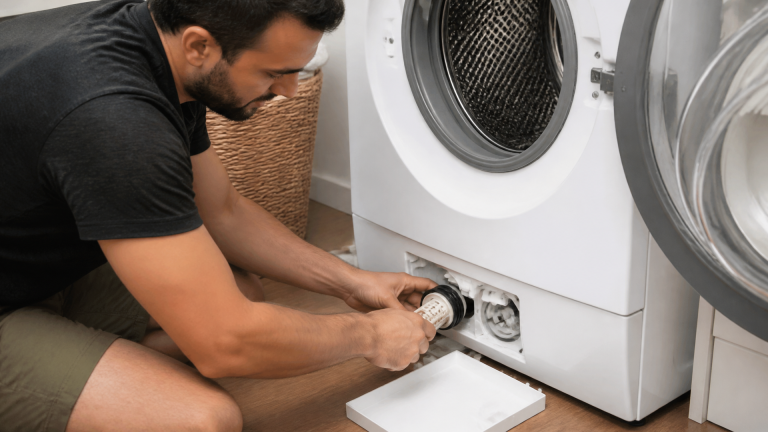
Troubleshoot Your Dishwashing Machine Diverter Motor in 3 Simple Steps
When a dishwasher isn’t cleaning properly, it might be due to a sneaky little troublemaker called the diverter motor. It can be tricky to figure out what’s wrong, but don’t fret! With just a few simple steps, anyone can tackle this task. First, it’s important to notice any strange sounds or cleaning issues. Once those are identified, the fun begins with testing and maybe even fixing. Curious about what comes next?
Key Takeaways
- Check for signs of poor cleaning, uneven water distribution, or unusual noises to identify potential diverter motor issues.
- Use a multimeter to test the motor’s electrical resistance and inspect for damaged wires or connections.
- If necessary, replace the diverter motor by disconnecting the old one and installing a new one following safety procedures.
- Regularly maintain your dishwasher by cleaning filters, inspecting spray arms, and checking hoses to prevent diverter motor problems.
- Seek professional help if issues persist after troubleshooting for a thorough diagnosis and repair.
Identify Symptoms of Diverter Motor Issues
When a dishwashing machine begins to act up, it can feel a bit like a mystery waiting to be solved. One common culprit is the diverter motor. When there are diverter motor symptoms, the dishwasher may not clean dishes properly. For instance, users might notice uneven water distribution, leading to spots or food residue on plates. Additionally, loud or unusual noises can indicate an issue, as well as unexpected leaks during a cycle. These dishwasher performance issues can seem intimidating, but identifying symptoms is the first step toward fixing them. So, before becoming frustrated, it’s important to observe these signs. Once recognized, the journey to a sparkling clean dishwasher becomes much clearer, and a solution is often just a step away!
Test the Diverter Motor Functionality
After identifying symptoms of diverter motor issues, testing the motor’s functionality is the next important step. This process helps diagnose common motor problems, making it easier to determine the right solutions. Here are some handy testing methods:
| Testing Method | Description |
|---|---|
| Multimeter Test | Measures electrical resistance to check if the motor is working. |
| Visual Inspection | Look for damaged wires or burnt contacts. |
| Listen for Unusual Sounds | A humming noise could indicate a failing motor. |
Replace the Diverter Motor if Necessary
Replacing the diverter motor can feel like a big task, but it’s all about taking one step at a time. First, gather your tools—usually a screwdriver and a new diverter motor. Remember to unplug the dishwasher for safety! Start by removing the cover panel and locating the diverter motor. It’s often tucked away, but don’t worry, a little patience goes a long way. Carefully disconnect the old motor, noting how the wires connect. The replacement process is just as simple; attach the new motor following your notes. Finally, reassemble everything and plug the dishwasher back in. If done correctly, you’ll be greeted with a happy, functioning machine. After all, who doesn’t love clean dishes? You’ve got this!
Frequently Asked Questions
What Causes a Diverter Motor to Fail Prematurely?
A diverter motor may fail prematurely due to faulty wiring that disrupts power flow or motor overheating caused by excessive usage or inadequate ventilation, leading to accelerated wear and eventual malfunction of the component.
Can I Use My Dishwasher Without a Diverter Motor?
Without a diverter motor, dishwasher operation becomes compromised, lacking proper water flow distribution. Customers may find it challenging to achieve ideal cleaning results, leaving them feeling like they’re swimming upstream in their kitchen chores.
How Long Does a Diverter Motor Typically Last?
The average lifespan of a diverter motor typically ranges from 5 to 10 years. Regular maintenance tips, including cleaning and checking for blockages, can help extend its longevity and guarantee efficient dishwasher operation.
What Tools Do I Need for the Repair?
For the repair, essential supplies include a screwdriver set, multimeter, and replacement diverter motor. Basic tools like pliers, a wrench, and a towel may also be necessary to complete the task effectively and efficiently.
Is the Diverter Motor Covered Under My Warranty?
Surprisingly, warranty coverage often excludes the diverter motor, highlighting manufacturers’ unintended consequences. Many owners assume coverage extends to all parts, yet fine print reveals exclusions, leading to unexpected repair costs when the motor fails unexpectedly.
Conclusion
To sum up, troubleshooting your dishwasher’s diverter motor is a breeze when you follow these three steps! Remember, “A stitch in time saves nine,” so catching issues early can save you from bigger problems later. Keep your eyes peeled for symptoms, check the motor, and don’t hesitate to replace it if needed. With a little patience and effort, you’ll have your dishwasher working like new. You’ve got this, and your dishes will thank you for it!
Explore This Topic
- Back to diverter motor
- Back to dishwasher repair
Related guides in this cluster: