
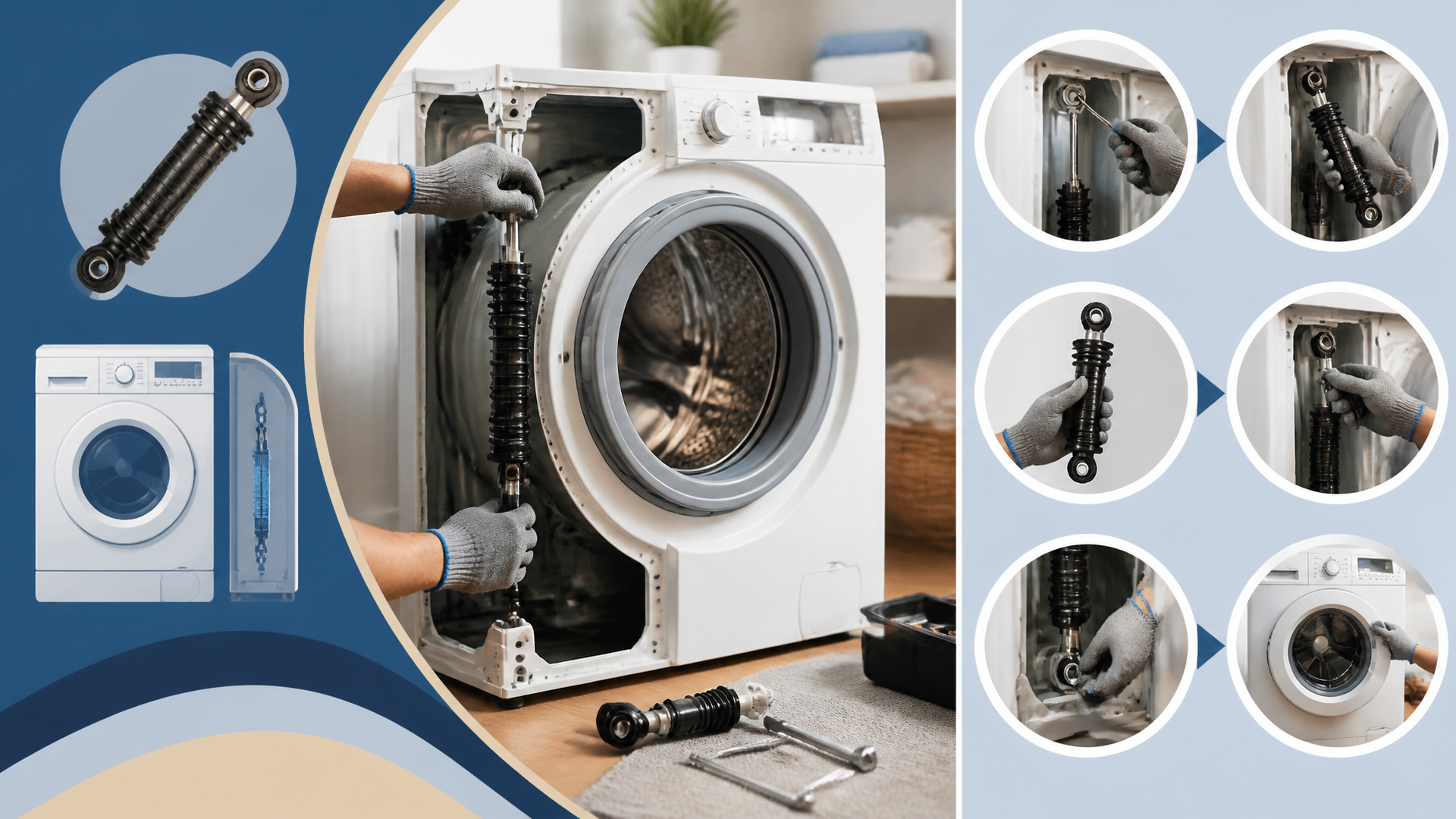
Step-by-Step Guide on How to Replace Washing Machine Suspension Rods
Washing machines are essential appliances in modern households, providing convenience and efficiency in laundry care. However, as with any mechanical device, components can wear out over time, leading to decreased performance and stability. One critical element that may require attention is the suspension rods, which play a pivotal role in maintaining the balance of the machine during operation. This article offers a comprehensive step-by-step guide on how to replace washing machine suspension rods, ensuring your appliance functions optimally. By following the outlined procedures, you can effectively restore your washing machine’s stability and extend its lifespan.
Key Takeaways
Regular inspections and monitoring for unusual noises and vibrations can extend the lifespan of suspension rods.
Signs of wear, such as excessive noise and vibrations, should be addressed promptly to avoid costly repairs.
Essential tools for replacing suspension rods include a socket set, pliers, screwdrivers, and safety gear.
Testing for stability after replacement is crucial to ensure the washing machine operates efficiently and effectively.
Understanding Suspension Rods
Suspension rods are critical components in a washing machine’s design, ensuring stability and minimizing vibrations during operation. Their performance directly impacts the efficiency and longevity of the appliance. To fully grasp their significance, it is essential to explore the different types of suspension rods, their functions, and the signs that indicate potential wear issues.
Types of Suspension Rods
Suspension rods come in various types, each designed to accommodate different washing machine models and load capacities. The most common types include metal rods, which offer durability and strength, and plastic rods, which are lighter and often more cost-effective. Additionally, some manufacturers utilize advanced composite materials to enhance performance and reduce noise during operation. Each type of suspension rod has its unique characteristics, impacting the overall efficiency and effectiveness of the washing machine. Understanding these distinctions is crucial for selecting the appropriate replacement components when maintenance is required.
Function of Suspension Rods
Suspension rods serve to absorb the shock and vibrations generated during the washing and spinning cycles of a washing machine. They maintain the drum’s alignment, ensuring it remains centered and operates smoothly. By providing support, suspension rods contribute to the overall stability of the appliance, enhancing user experience. Additionally, they help to reduce noise levels, creating a quieter environment during use. Ultimately, the effective functioning of suspension rods is vital for the machine’s performance and durability.
Signs of Wear Issues
Signs of wear issues in washing machine suspension rods can manifest through increased vibrations during the spin cycle. Users may notice excessive noise, which may indicate that the rods are no longer effectively dampening movement. Additionally, unbalanced loads may become more frequent, suggesting that the suspension system is compromised. Visible signs such as sagging or bent rods can also indicate deterioration. Finally, water leakage around the washing machine base may occur if the suspension components are failing.
Signs of Worn Suspension Rods
Worn suspension rods can significantly affect the performance of a washing machine. One of the most noticeable signs is excessive vibration during the spin cycle. This vibration may lead to the machine moving or walking across the floor. Additionally, unbalanced loads may become more frequent, resulting in an uneven distribution of clothes. Unusual noises, such as banging or clanking, can also indicate that the suspension rods are failing. Furthermore, a decrease in the efficiency of the wash cycle may be observed, as the machine struggles to maintain stability. Lastly, visible damage or wear on the rods themselves may be apparent upon inspection.
Gathering Necessary Tools
Before embarking on the replacement of washing machine suspension rods, it is crucial to gather all necessary tools to ensure a smooth and efficient process. A well-prepared workspace equipped with the right instruments can significantly enhance the effectiveness of the repair. The following sections will outline the essential tools required, provide helpful tool tips, and identify the safety equipment needed for this task.
Essential Tools Required
To successfully replace washing machine suspension rods, certain essential tools must be gathered beforehand. A socket set will be necessary for removing and securing bolts during the process. Pliers will aid in gripping and manipulating various components effectively. Additionally, a flathead and Phillips screwdriver are required for unscrewing panels and fasteners. Finally, safety goggles and gloves are recommended to protect the technician from potential hazards.
Helpful Tool Tips
When selecting tools for replacing washing machine suspension rods, prioritize quality over quantity to ensure durability and efficiency. Utilize a magnetic tool holder to keep small parts organized and easily accessible during the replacement process. Always use the appropriate size of sockets and wrenches to prevent stripping bolts and nuts. Consider having a flashlight on hand to illuminate dark areas within the washing machine for better visibility. Lastly, wear safety goggles to protect your eyes from any debris that may arise during the repair.
Safety Equipment Needed
When replacing washing machine suspension rods, safety equipment is paramount to protect the individual performing the task. A pair of safety goggles is essential to shield the eyes from debris and accidental splashes. Gloves made from durable materials will help prevent cuts and abrasions while handling sharp components or heavy parts. Additionally, a dust mask may be advisable to reduce inhalation of any dust or particles released during the repair. Lastly, having a first aid kit on hand ensures immediate access to medical supplies in case of an unforeseen injury.
Preparing Your Washing Machine
Before undertaking the replacement of washing machine suspension rods, it is essential to prepare the machine adequately. This preparation involves assessing the machine’s condition, gathering the necessary tools, and clearing the installation space to ensure a smooth and efficient process. By following these preliminary steps, you will set the stage for a successful repair.
Assessing Machine Condition
Assessing the condition of the washing machine is a critical first step in the replacement of suspension rods. Begin by inspecting the machine for any visible signs of wear or damage, particularly around the suspension system. Additionally, listen for unusual noises during operation, which may indicate underlying issues. Check for any leaks or water accumulation that could affect the replacement process. Proper evaluation will help determine whether the suspension rods are the primary issue or if other components require attention.
Gathering Necessary Tools
To successfully replace washing machine suspension rods, it is crucial to gather the appropriate tools beforehand. Essential tools typically include a socket set, screwdrivers, and pliers, which facilitate the removal and installation of the rods. Additionally, a level may be necessary to ensure that the washing machine is properly aligned post-repair. Safety equipment, such as gloves and goggles, should also be included to protect against any potential hazards during the process. Having these tools readily available will streamline the replacement procedure and enhance overall efficiency.
Clearing Installation Space
Clearing the installation space is a crucial step in preparing for the replacement of washing machine suspension rods. Begin by moving any nearby furniture or appliances that might obstruct access to the washing machine. Ensure the floor is clean and dry to prevent slips and falls during the process. Adequate lighting should be arranged to enhance visibility, allowing for a more precise and safe operation. Lastly, designate a safe area for tools and replacement parts to avoid clutter and facilitate an organized workflow.
Removing the Old Suspension Rods
To begin removing the old suspension rods, first, ensure that the washing machine is unplugged and properly drained to avoid any accidents. Next, access the inner drum by removing the front or rear panel, depending on the model specifications. Once the panel is removed, locate the suspension rods, which are typically secured at both ends with bolts or clips. Utilize a socket wrench or screwdriver to carefully loosen and detach these fasteners, taking care not to damage surrounding components. After removing the fasteners, gently pull the suspension rods out of their designated mounts, ensuring a straight removal to avoid bending. Dispose of the old rods responsibly, as they may contain materials that require proper recycling. Finally, inspect the mounting points for any signs of wear or damage before proceeding with the installation of new suspension rods.
Installing the New Suspension Rods
To install the new suspension rods, begin by aligning each rod with its corresponding mounting bracket on the washing machine’s drum. Gently push the rod into the bracket until it clicks securely into place, ensuring a snug fit. Once all rods are positioned, verify that they are evenly spaced and properly seated to maintain balance during operation. Next, reattach any necessary bolts or fasteners that were removed during the process, using the appropriate tools for a secure connection. After securing the rods, check for any obstructions or misalignments within the drum area. Reconnect the washing machine’s cabinet, ensuring all clips and screws are tightened accordingly. Finally, test the washing machine by running a short cycle to confirm the suspension rods are functioning effectively.
Reassembling the Washing Machine
After the new suspension rods are installed, the next step is to reassemble the washing machine. Begin by carefully aligning the outer cabinet with the base of the machine, ensuring that all components fit securely into place. Reconnect the wiring harnesses and any other electrical connections that were previously detached. Proceed to reattach the back panel, securing it with screws to prevent any movement during operation. Once the rear is firmly in place, address the front panel by aligning it correctly and fastening it with the appropriate screws. Ensure that the door seal is properly seated to avoid leaks during use. Finally, double-check all connections and screws for tightness before plugging the machine back in and testing its functionality.
Testing for Stability and Functionality
Once the washing machine has been reassembled, it is crucial to assess its stability and functionality to ensure optimal performance. This evaluation process not only confirms proper installation but also identifies any potential issues that may affect the machine’s operation. The following points outline the essential steps for testing machine stability and evaluating suspension functionality.
Testing Machine Stability
To test machine stability, begin by ensuring the washing machine is placed on a level surface. Next, gently rock the machine from side to side and front to back, observing any excessive movement that may indicate instability. Check the four leveling legs, adjusting them as necessary to achieve a balanced position. Additionally, run a short cycle with a small load to monitor vibrations during operation. Finally, listen for unusual noises that could signify improper installation or malfunctioning components.
Evaluating Suspension Functionality
To evaluate suspension functionality, initiate a test wash cycle while monitoring the machine’s performance. Observe for any excessive vibrations or unusual noises, which may indicate issues with the suspension rods. Check for proper drum movement by gently rotating it manually; it should move freely without resistance. After completing the cycle, inspect the suspension rods for signs of wear or damage. Finally, verify that the washing machine remains level and stable throughout the operation.
Maintaining Your Washing Machine
Maintaining your washing machine is essential for optimal performance and longevity. Regularly check hoses for signs of wear or leaks, ensuring they are securely connected. It is advisable to clean the drum and detergent dispenser periodically to prevent buildup. Inspect the door seal for any debris or tears, as this can lead to water leakage. Keeping the machine level is crucial to minimize vibrations and wear on internal components. Additionally, running a maintenance cycle with washing machine cleaner can help eliminate odors and residues. Lastly, review the user manual for any specific maintenance recommendations from the manufacturer.
Troubleshooting Common Issues
Troubleshooting common issues with your washing machine is essential for maintaining optimal performance. Identifying the symptoms of worn suspension rods can prevent further damage and enhance the longevity of the appliance. The following points outline key indicators to watch for, including noise during the spin cycle and uneven load distribution issues.
Worn Suspension Rod Symptoms
Worn suspension rods can lead to noticeable vibrations during the washing and spinning cycles. Users may observe excessive noise, which often indicates that the drum is not adequately stabilized. Additionally, uneven load distribution may manifest, causing the machine to become unbalanced and potentially leading to further complications. It is common for the washing machine to exhibit a rocking motion when the suspension rods are compromised. Regularly monitoring these symptoms can aid in timely maintenance and repairs.
Noise During Spin Cycle
Noise during the spin cycle is a common symptom indicating potential issues with the washing machine’s suspension rods. This disruptive sound may manifest as clanking, banging, or thumping, suggesting that the rods are not effectively dampening vibrations. Such noise can often intensify with higher spin speeds, signaling a need for immediate attention. Ignoring these auditory warnings may lead to further mechanical complications and possible damage to other components of the appliance. Timely diagnosis and repair of worn suspension rods are crucial in maintaining the washing machine’s overall functionality.
Uneven Load Distribution Issues
Uneven load distribution in a washing machine can lead to excessive vibrations and potential damage to the appliance. This issue often manifests during the spin cycle, causing the machine to become unbalanced. Factors contributing to uneven load distribution may include overloading, improper sorting of laundry, or malfunctioning suspension rods. Monitoring the placement and weight of items within the drum is crucial to prevent such imbalances. Timely intervention can mitigate further complications and ensure the washing machine operates efficiently.
Frequently Asked Questions
What are suspension rods, and why are they important for washing machines?
Suspension rods are integral components of a washing machine’s suspension system, designed to support the drum and absorb vibrations during the washing and spinning cycles. These rods help maintain the drum’s stability, ensuring that it operates smoothly and efficiently. By effectively dampening the movements of the drum, suspension rods prevent excessive shaking and noise, which can lead to wear and tear on other parts of the machine. Their importance is underscored in the context of maintaining the overall performance and longevity of the appliance. If suspension rods become worn or damaged, it can result in an unbalanced load, causing the machine to vibrate excessively, potentially leading to mechanical failures. Therefore, regular inspection and maintenance of suspension rods are crucial for optimal functionality and reliability of washing machines.
How often should suspension rods be replaced?
The frequency of replacing suspension rods in washing machines largely depends on the model, usage, and overall wear and tear. Generally, these components may need replacement every five to seven years, although signs of deterioration can necessitate earlier intervention. Factors such as heavy loads, constant vibrations, and inadequate maintenance can accelerate the degradation of suspension rods. It is crucial to monitor any unusual noises, excessive vibrations, or an imbalance during operation, as these may indicate that the suspension rods are failing. Regular inspections can greatly enhance the lifespan of these components and ensure optimal performance of the washing machine. Ultimately, adhering to manufacturer recommendations and maintaining the appliance can mitigate the need for premature replacements.
Can i replace suspension rods without professional help?
Yes, it is possible to replace suspension rods in a washing machine without professional help, provided that the individual possesses a certain level of technical skill and understanding of appliance mechanics. The process typically involves disassembling parts of the machine, which may require basic tools and a clear understanding of the machine’s layout. It is crucial for the individual to consult the appliance’s manual and possibly reference instructional resources to ensure the replacement is carried out correctly. Moreover, safety precautions must be observed, including unplugging the machine and ensuring no residual water is present. While many DIY enthusiasts successfully undertake such repairs, those lacking experience may encounter challenges that could lead to further complications or damage. Ultimately, if one feels uncertain about their capabilities, seeking professional assistance might be a more prudent choice to ensure the longevity and functionality of the appliance.
Conclusion
In summary, understanding the role of suspension rods is crucial for maintaining the stability and efficiency of washing machines. The selection of appropriate replacement components, based on material characteristics, can significantly impact appliance performance. Regular inspections and timely replacements are essential to prevent deterioration and ensure optimal functionality. Following a systematic approach during the replacement process, along with adherence to safety protocols, can enhance the overall longevity of the machine. Ultimately, proactive maintenance and awareness of symptoms can mitigate costly repairs and extend the service life of the washing appliance.
If you’re experiencing issues with your Maytag washing machine being off-balance, it’s essential to understand the common causes behind this problem. I highly recommend visiting this informative page on resolving washing machine issues, where you’ll find valuable insights that can help you troubleshoot and fix your appliance effectively.
Explore This Topic
- Back to Repair & Replacement
- Back to Repair & Replacement
Related guides in this cluster: