
What Practices Are Essential for Whirlpool Stove Care and Maintenance?
To care for a Whirlpool stove, regular cleaning is key! Wipe down surfaces after each use and deep clean every two weeks. Inspect burners monthly, making sure they’re aligned for even cooking. Use gentle cleaners for tough stains and keep drip pans tidy. Always check for gas leaks with soapy water. Give your stove a little polish for a shiny finish. Remember, a clean stove is a happy stove! There’s so much more to discover to keep your cooking adventures joyful!
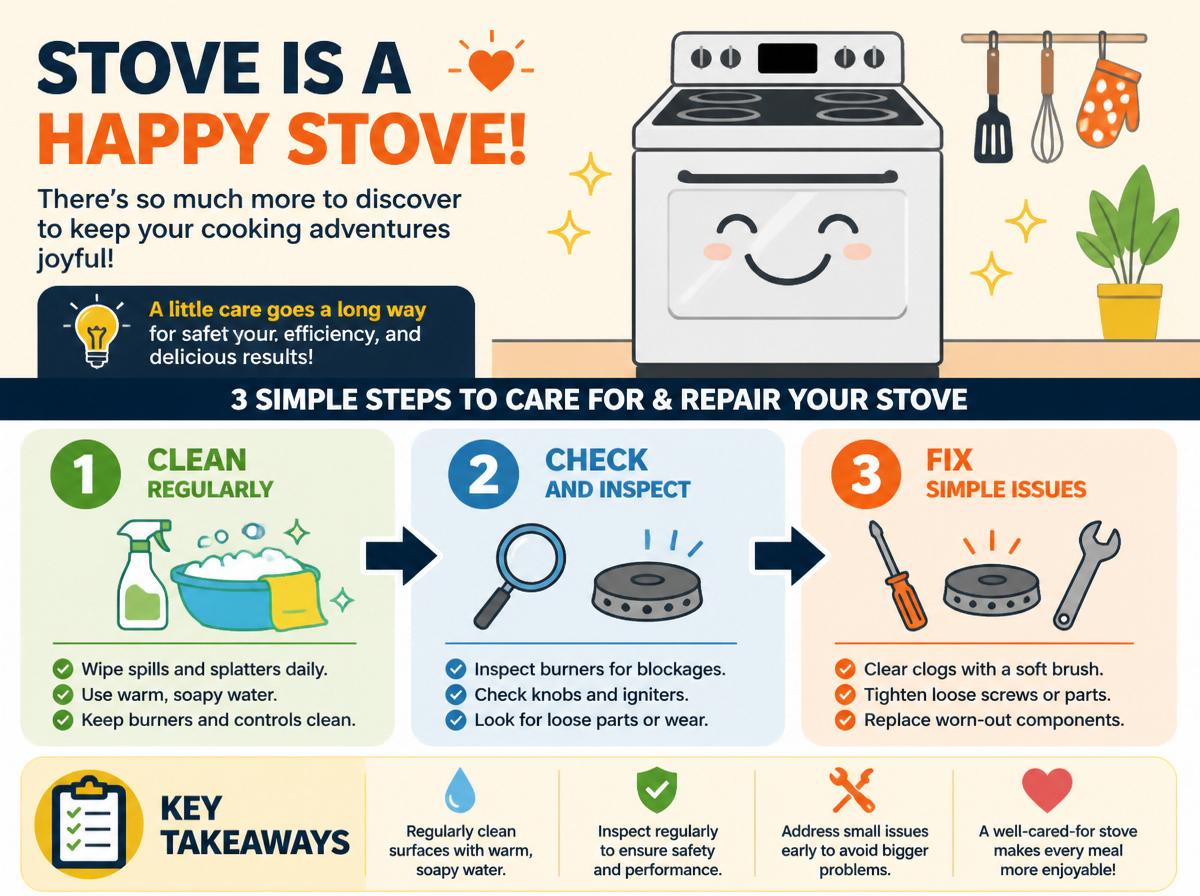
Key Takeaways
- Regularly clean surfaces with warm, soapy water after each use and perform deep cleaning every two weeks to prevent buildup.
- Inspect burners monthly for proper alignment and functionality, and clean them after each use to ensure optimal performance.
- Use appropriate cleaning products, such as degreasers for tough stains and multi-surface cleaners for daily upkeep, while following safety guidelines.
- Conduct regular visual inspections of hoses for wear and perform the soapy water test to detect gas leaks for safety.
- Maintain energy efficiency by using pots that match burner sizes and keeping stove surfaces clean while avoiding unnecessary preheating.
Regular Cleaning of Your Whirlpool Stove
Regular cleaning of a Whirlpool stove is not just a chore; it’s a smart way to keep cooking memories alive and the kitchen shining bright! To keep this essential appliance in top shape, it’s important to follow a few handy stove cleaning tips. Daily upkeep can be as simple as wiping down surfaces with warm, soapy water after each use. This helps remove spills and crumbs before they become stubborn stains.
For deeper cleaning, aim for a thorough scrub every two weeks. This frequency guarantees grease and grime don’t build up, allowing the stove to function properly. Additionally, remember to clear away any burnt-on food; it’s key for maintaining a safe cooking environment! With regular care, your Whirlpool stove will not only look great but will also remind you of all those delightful meals prepared with love. So, roll up those sleeves and make cleaning a fun part of your cooking routine!
Inspecting and Maintaining Stove Burners
Taking a closer look at stove burners is vital for keeping a Whirlpool stove in tip-top shape. Regular inspection helps guarantee proper burner alignment, which allows for even heating while cooking. Additionally, burner cleaning is important; built-up food can hinder performance and even pose a safety hazard.
To simplify this process, consider the following table:
| Task | Frequency |
|---|---|
| Inspect Burners | Monthly |
| Clean Burners | After Each Use |
| Realign Burners | If Misaligned |
| Replace Damaged Burners | As Needed |
Proper Use of Cleaning Products
Cleaning a stove can feel like an intimidating task, but with the right approach, it can become a rewarding part of kitchen care. One of the keys to successful stove cleaning lies in understanding the different cleaning product types available. There are sprays, foams, and wipes, each designed for specific messes. For instance, a degreaser can work wonders on tough stains, while multi-surface cleaners are great for regular upkeep.
However, safe usage is essential! Always read the labels and follow the instructions. A product may promise sparkling results, but using it incorrectly can harm the stove or be simply dangerous. It’s also wise to wear gloves and guarantee proper ventilation when using strong cleaners. With a little patience and the right cleaning products, anyone can keep their Whirlpool stove looking fresh and shiny, turning a potentially messy chore into an enjoyable ritual in the kitchen!
Checking and Replacing Drip Pans
Drip pans are often the unsung heroes in stove maintenance, quietly doing their job to catch spills and crumbs. There are several drip pan types designed for different cooking surfaces, such as coil and smooth-top stoves. Regularly checking these pans is essential; they can become burnt-on and grimy over time. To keep them looking fresh, effective drip pan cleaning should be part of routine maintenance. Removing the pans is usually simple; remember to allow them to cool first. A mixture of soapy water and a gentle scrub usually does the trick. If the pans are too stained or damaged, don’t hesitate to replace them. New pans can make your stove look brand new! Keeping an eye on drip pans not only helps the stove function better but also makes cooking more enjoyable. So, roll up those sleeves, and give those drip pans some love!
Safeguarding Against Gas Leaks
Gas leaks can be sneaky and dangerous, making it really important to check for them regularly. A simple way to stay safe is by giving your stove some attention—check the hoses and connections for any signs of wear. Plus, keeping good ventilation in your kitchen not only helps with safety but also keeps the air fresh and enjoyable while cooking.
Regular Leak Checks
Checking for leaks should be a regular habit for anyone using a gas stove. Regular leak detection can prevent dangerous situations and keep the kitchen safe. Here are three simple prevention strategies:
- Visual Inspection: Check hoses and connections for cracks or damage. If you spot something, it’s best to replace it.
- Soapy Water Test: Mix soap with water and apply it to connections. If bubbles form, there’s a leak!
- Smell Gas?: Always trust your nose. If you smell gas, turn off the stove and open windows.
Proper Ventilation Maintenance
Even though cooking can be a fun and rewarding experience, guaranteeing proper ventilation while using a gas stove is essential for safety. Proper ventilation systems help to maintain air circulation, which keeps the kitchen fresh and reduces the risk of gas leaks. When the stove is in use, it’s important to keep windows open or use an exhaust fan. This allows any unwanted gases to escape. Home cooks should also regularly check vents and filters to guarantee they’re working well, as blocked vents can lead to dangerous situations. Remember, a well-ventilated kitchen not only keeps the air clean, but also makes cooking feel more enjoyable. So, let that fresh air in and cook with confidence!
Ensuring Proper Ventilation
Proper ventilation is essential for keeping a Whirlpool stove running safely and efficiently. Good airflow helps prevent excess heat and decreases the chances of smoke buildup, making the kitchen a more pleasant place to cook. Regularly replacing filters and checking how the vents are set up can make a big difference; after all, a well-ventilated kitchen is like a happy chef—ready to whip up delicious meals!
Importance of Airflow
Airflow is essential for keeping a Whirlpool stove in tip-top shape. Proper ventilation not only enhances cooking efficiency but also prevents overheating. Understanding effective airflow techniques can make a significant difference. Here are three key airflow benefits:
- Improved Cooking Performance: Good airflow guarantees even heat distribution, making food cook faster and taste better.
- Reduced Risk of Damage: Adequate ventilation helps prevent overheating, which can harm the stove components.
- Enhanced Safety: Proper airflow reduces the risk of gas or smoke buildup, creating a safer cooking environment.
Regular Filter Replacement
To keep a Whirlpool stove running smoothly, regularly replacing filters is a smart move that shouldn’t be overlooked. Filters play an essential role in guaranteeing proper ventilation, helping the stove perform at its peak. Typically, the filter lifespan can vary, but changing them every six months is a great rule of thumb for ideal replacement. When filters become dirty, they can hinder airflow, making cooking less efficient and even causing unpleasant odors. No one wants their favorite dish to taste less yummy! So, by keeping those filters fresh, not only does the stove run better, but it also helps create a lovely cooking environment. Everyone deserves a smooth cooking experience, and filter replacement is an easy way to make sure that!
Checking Vent Routing
When someone cooks a delicious meal, checking the vent routing can make a big difference in how well the stove performs. Proper vent pathways guarantee good air circulation, helping to prevent smoke and odors from lingering in the kitchen. Here are three easy steps to follow for effective vent routing:
- Inspect the Vents: Make certain all vent openings are clear and free from debris. Even a tiny blockage can disrupt airflow.
- Check Connections: Ascertain that all ducts are securely connected. Loose connections can lead to inefficient ventilation.
- Test Airflow: Turn on the stove and feel if the vent is pulling air correctly. Strong airflow means it’s doing its job!
Scheduling Professional Maintenance
Scheduling professional maintenance for a Whirlpool stove can be as important as remembering to replace the batteries in your remote control—often overlooked, but essential for smooth operation. Just like you wouldn’t want your favorite show interrupted by a dead remote, regular upkeep guarantees your stove runs efficiently.
Setting up these appointments is easy and can save a lot of headaches down the line. Professional inspections catch small problems before they become bigger ones. A trained technician knows what to look for, making certain everything is in tip-top shape.
Keeping the Stove’s Exterior in Good Condition
A shiny, clean stove can make any kitchen feel warm and inviting. To keep the stove’s exterior in tip-top shape, regular care is vital. Here are some simple practices to guarantee longevity and shine:
- Use Exterior Polish Regularly: A good-quality exterior polish can add shine while offering protection against smudges and stains.
- Wipe Spills Immediately: Quick action prevents tough stains. Using a soft cloth helps to remove stains and protects the surface.
- Practice Scratch Prevention: Always use cutting boards and avoid dragging pots across the surface to keep the finish looking perfect.
Frequently Asked Questions
How Can I Tell if My Stove Needs Professional Maintenance?
Indicators that a stove needs professional maintenance include uneven heating, persistent error messages, unusual noises, or visible damage. Maintenance signs, such as burnt smells or faulty controls, also suggest it’s time to consult a technician.
What Is the Best Way to Remove Stubborn Stains From My Stove?
Stubborn stains on a stove require effective stain removal techniques. An individual might use a mixture of baking soda and vinegar, applying it to the stains, followed by gentle scrubbing to restore the surface’s cleanliness.
Are There Specific Tools Needed for Stove Maintenance?
Like a knight gearing up for battle, essential stove cleaning tools include scrubbing pads, microfiber cloths, and gentle cleaners. An extensive maintenance checklist guarantees no detail is overlooked, preserving the stove’s pristine condition.
How Often Should I Deep Clean My Whirlpool Stove?
Experts recommend a deep cleaning of a Whirlpool stove every three to six months, depending on usage. Establishing a consistent maintenance schedule helps guarantee peak performance and longevity, preventing buildup that could hinder functionality.
Can I Use Vinegar on My Stove’s Surface?
Like a skilled chef selecting ingredients, using vinegar on a stove’s surface offers cleaning benefits while ensuring safety. Its acidity effectively removes grime without damaging the finish, making it a go-to solution for maintenance.
Conclusion
Caring for your Whirlpool stove is like taking care of a pet; a little attention goes a long way! By keeping it clean, checking burners, and replacing drip pans, your stove will stay happy and safe for cooking. Don’t forget to watch for gas leaks and guarantee good ventilation. If you’re ever unsure, calling a professional is smart. With regular TLC, your stove can be a dependable kitchen buddy for years to come!
Explore This Topic
- Back to Maintenance & Repair Procedures
- Back to cooking care
Related guides in this cluster:
