
Understanding the Costs of Refrigerator Repairs
When it comes to maintaining our kitchen appliances, we all know that understanding how to repair a refrigerator can save us both time and money. We’ve experienced the frustration of a malfunctioning fridge and the unexpected costs that come with it. In this article, we’ll delve into the common issues that can arise and their associated repair expenses. We’ll also explore factors that influence these costs, helping us make informed decisions when faced with repair or replacement. By the end, we’ll have a clearer picture of what it really takes to keep our refrigerators running smoothly.
Key Takeaways
Assessing signs of refrigerator failure can help determine whether to repair or replace, particularly when repair costs exceed 50% of a new unit’s price.
The age and brand of the refrigerator significantly impact repair costs, with older models often requiring more expensive, outdated parts.
DIY repairs may save money initially but can lead to costly mistakes, while professional assistance ensures quality and safety for complex issues.
Regular maintenance and budgeting for repairs can prevent unexpected expenses and extend the lifespan of the refrigerator.
Common Refrigerator Issues and Their Costs
We’ve all dealt with annoying refrigerator problems at some point, and knowing the potential costs can help us prepare. From compressor failures to thermostat replacements, these issues can add up quickly. Let’s take a closer look at some common refrigerator issues and their associated costs.
Compressor Failure Expenses
We’ve seen how compressor failures can hit our wallets hard. If it goes out, we’re lookin’ at repair costs ranging from $200 to $600. Sometimes, it makes more sense to replace the compressor instead of the whole fridge. We might also need to factor in labor costs, which can add another $100 to $300. In the end, it’s a significant expense that we all dread facing.
Thermostat Replacement Costs
When our thermostat malfunctions, we often face unexpected repair bills. Usually, the cost for a replacement can range between $100 and $300, depending on the model. We’ve noticed that DIY solutions might save us some cash, but they come with risks. If we hire a professional, we’ll likely pay for both the service call and the part. Keeping an eye on these expenses helps us budget better for future repairs.
Door Seal Repairs
We’ve noticed that door seal issues can lead to significant energy loss in our refrigerators. If we let these seals go unchecked, we could end up paying more in utility bills. Repair costs for door seals typically range from $100 to $300, depending on the severity. It’s something we can usually fix ourselves, but sometimes it’s better to call a professional. Now, let’s shift our focus to evaporator coil issues and how they can impact our fridge’s performance.
Evaporator Coil Issues
We’ve seen that evaporator coil issues can lead to inefficient cooling. It’s often a sign that our refrigerator needs immediate attention. When we notice frost buildup, it might mean the coils are blocked or malfunctioning. Repairing or replacing these coils can cost us anywhere from a few hundred to over a thousand dollars. It’s crucial to address these problems promptly to avoid further damage.
Factors Influencing Repair Expenses
When it comes to repair expenses, we’ve gotta consider the age of the refrigerator. We’re also looking at the brand, since some companies charge more for parts. The type of issue we’re facing can really affect the cost too. If we need specialized labor, that’ll add to the expenses as well. Lastly, we can’t forget about the location, as service fees vary by area.
Average Costs for Popular Refrigerator Brands
When we look at average costs for popular refrigerator brands, we notice some variations. It seems that brands like Whirlpool and Samsung tend to have similar repair expenses. We’ve found that LG repairs can sometimes be pricier due to specialized parts. It’s interesting how the age of the refrigerator also plays a role in determining these costs. Ultimately, it’s helpful to compare repair costs across different brands before making a decision.
DIY vs. Professional Repairs
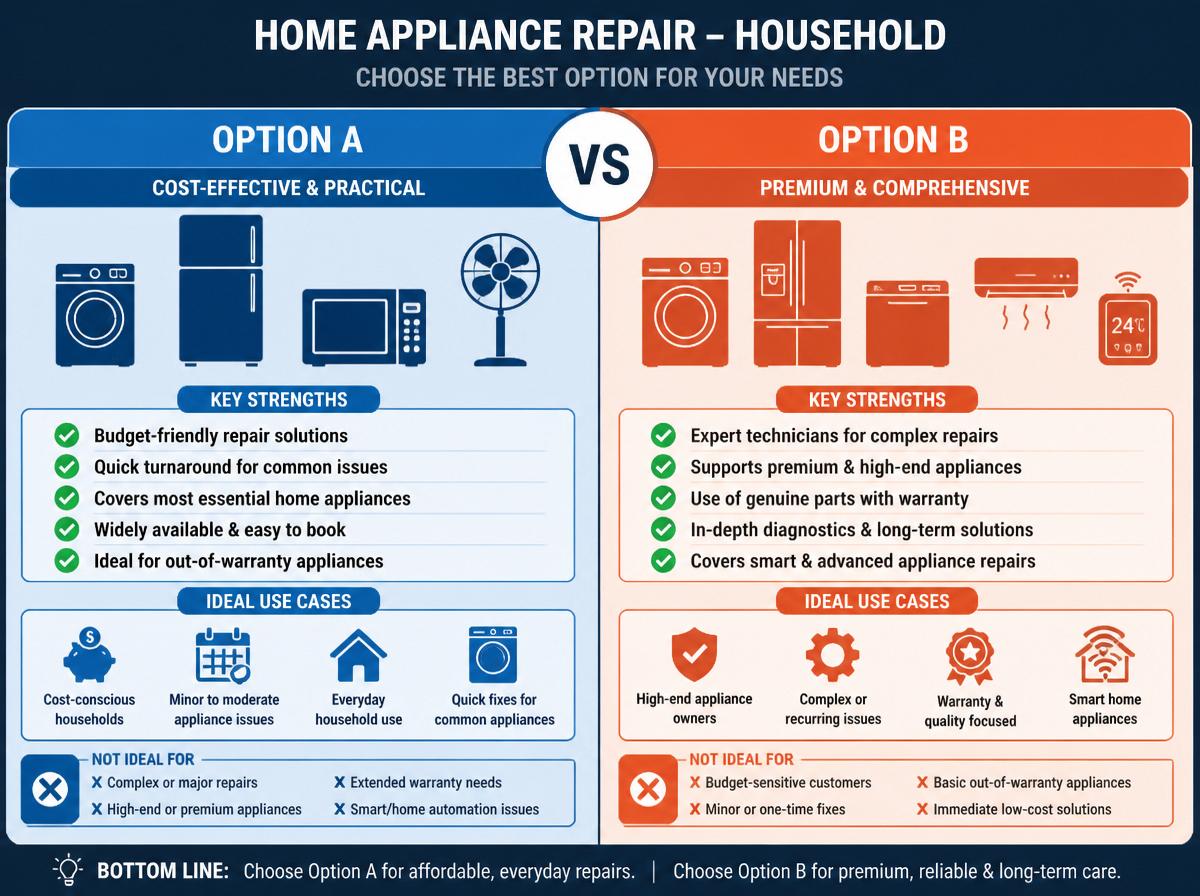
When it comes to refrigerator repairs, we often find ourselves weighing the pros and cons of DIY versus professional help. While tackling a repair ourselves can save money, we can’t overlook the potential pitfalls that come with it. Let’s dive into some key points to consider in this decision-making process.
Cost of DIY Repairs
When we choose DIY repairs, we’re often drawn to the idea of saving money on labor costs. We’ve got to remember that purchasing replacement parts can add up quickly. If we make a mistake, it could lead to more damage and additional expenses. Sometimes, we underestimate the time and effort involved in a DIY project. In the end, what seems cheaper might not always be the best choice for us.
Benefits of Professional Help
When we hire professionals, we’re often guaranteed a higher quality of work. They’ve got the experience and expertise that we might lack. We can save time and avoid the frustration that comes with trial and error. There’s peace of mind knowing that repairs are done correctly and safely. Plus, many professionals offer warranties on their work, giving us added reassurance.
Common DIY Mistakes
We’ve all been there, thinking we can fix the fridge with just a quick YouTube tutorial. But sometimes, we end up making things worse, like misdiagnosing the problem or using the wrong tools. We might even forget to unplug the appliance, risking our safety in the process. Plus, our attempts can lead to more extensive damage, increasing repair costs down the line. So, knowing when to seek experts becomes crucial in avoiding these common DIY mistakes.
When to Seek Experts
We know that some repairs are best left to the professionals. When we encounter complex issues, it’s often wiser to seek expert help. We can’t risk further damage or safety hazards by attempting repairs beyond our skill level. It’s crucial to recognize when our time and effort might be better spent on other tasks. As we consider the implications of expert involvement, we should also take a look at warranty considerations.
Warranty Considerations
When it comes to refrigerator repairs, we need to keep warranty considerations in mind. Understanding the specifics of our warranty can save us time and money in the long run. Let’s dive into the details of warranty coverage, common exclusions, and the claim process steps.
Warranty Coverage Details
We’ve got to know what our warranty covers to avoid unexpected costs. Typically, it includes parts and labor for specific components, but it might not cover everything we think it does. We’re often surprised to find out that certain damages or issues fall outside the warranty’s scope. It’s crucial for us to review the fine print before making any claims. Now, let’s look at common exclusions explained to understand what might not be covered.
Common Exclusions Explained
We’ve gotta know that not all parts are covered under warranty. Most warranties don’t include issues caused by normal wear and tear. If we neglect maintenance, we might find ourselves footing the bill. Repairs due to unauthorized modifications usually aren’t covered either. We should also keep in mind that cosmetic damage often falls outside warranty protections.
Claim Process Steps
When we find ourselves needing to make a claim, we’ve gotta gather our warranty documentation first. Next, we should contact the manufacturer or retailer to initiate the claim process. After that, we may need to provide details about the issue and any supporting documentation. Once our claim’s submitted, we’ll wait for approval or any further instructions. Finally, we can schedule the repair if our claim gets approved.
Understanding Parts and Labor Charges
When we think about refrigerator repairs, we often overlook how parts and labor charges can add up quickly. We’ve noticed that some components are surprisingly expensive, especially if they’re specialized or hard to find. Labor costs can vary greatly depending on the technician’s experience and our location. It’s essential for us to get a detailed estimate before committing to any repairs. With all these costs in mind, we should consider when it’s more sensible to repair versus replace our refrigerator.
When to Repair vs. Replace
When it comes to deciding whether to repair or replace our refrigerator, we need to consider a few key factors. We’ll weigh the timing for our repair decisions and look for specific signs that indicate it’s time to replace the appliance. Understanding these aspects will help us make the best choice for our needs.
Timing for Repair Decisions
We’ve got to pay attention to how old our refrigerator is when we’re making repair decisions. If it’s nearing the end of its lifespan, we might wanna think about replacing it instead. We should also consider the frequency of repairs; if we’re constantly fixing it, that’s a sign it’s time for a new one. Let’s not forget about the cost of repairs versus the cost of a new appliance. Timing’s crucial, and we’ve gotta make sure we’re making the right choice.
Signs to Replace Refrigerator
If our refrigerator’s making strange noises, it might be time to think about replacing it. When we start noticing that food’s spoiling faster than usual, that’s a clear warning sign. If we see excessive frost buildup in the freezer, we’ve gotta take that seriously. When the energy bills keep climbing, it’s a good indicator that our fridge isn’t running efficiently anymore. Lastly, if the repair costs are more than half the price of a new fridge, we should definitely consider a replacement.
Emergency Repairs and Their Impact on Costs
When our refrigerator breaks down unexpectedly, we often find ourselves facing higher repair costs. We’ve all experienced the panic of a malfunctioning appliance, and it can lead to hasty decisions. It’s not just the repair bill that hits us; the potential food spoilage adds to the financial burden. We might think we can save time by calling the first technician we find, but that can lead to overpaying. To avoid these emergency situations in the first place, let’s discuss some preventative maintenance tips.
Preventative Maintenance Tips
To keep our refrigerators running smoothly and avoid costly emergency repairs, we’ve gotta stay proactive. By implementing some simple preventative maintenance tips, we can extend the life of our appliances. Let’s dive into the key practices we can follow.
Regular Cleaning Practices
We’ve gotta clean the coils at least once a year to keep everything running efficiently. It’s important to wipe down the interior surfaces regularly to prevent mold and odors. We should also check and replace any worn door seals to maintain proper insulation. By keeping the drain pan clean, we can avoid water buildup and potential leaks. Lastly, we can organize our food items to ensure proper air circulation inside the fridge.
Monitor Temperature Settings
We’ve gotta check our temperature settings regularly to ensure optimal performance. If we don’t keep an eye on them, our food might spoil or our energy bills could spike. It’s best to aim for around 37°F for the fridge and 0°F for the freezer. By monitoring these settings, we can catch any issues before they become major problems. Let’s make it a habit to review our fridge’s temperature at least once a month.
Inspect Door Seals
We’ve gotta regularly check the door seals on our refrigerators. If we notice any cracks or tears, we should replace them immediately. Cleaning the seals helps us maintain a tight fit, preventing cold air from escaping. Let’s make it a habit to inspect them during our routine maintenance. By doing this, we can save money on energy bills and repairs down the line.
Schedule Professional Check-ups
We should schedule professional check-ups at least once a year. By doing this, we can catch potential issues before they become major problems. It’s better to invest in regular maintenance than to face costly repairs later. We’ll feel more at ease knowing our refrigerator is in good hands. Let’s make it a point to prioritize these check-ups for our appliance’s longevity.
Budgeting for Future Repairs
We’ve gotta set aside a portion of our monthly budget for future refrigerator repairs. It’s best to anticipate issues instead of waiting for them to arise. We’ve learned that having an emergency fund can really ease the stress when something goes wrong. We’re also considering researching average repair costs to better inform our savings goals. By planning ahead, we’re hoping to avoid any unexpected financial burdens.
If you’re experiencing issues with your Samsung microwave, such as it not heating properly, I highly recommend checking out this comprehensive guide on the common causes for Samsung microwaves not heating. It provides valuable insights that can help you troubleshoot and resolve the problem efficiently. Understanding these common issues can save you time and money on repairs!
Explore This Topic
- Back to Repair & Replacement
- Back to Repair & Replacement
Related guides in this cluster: