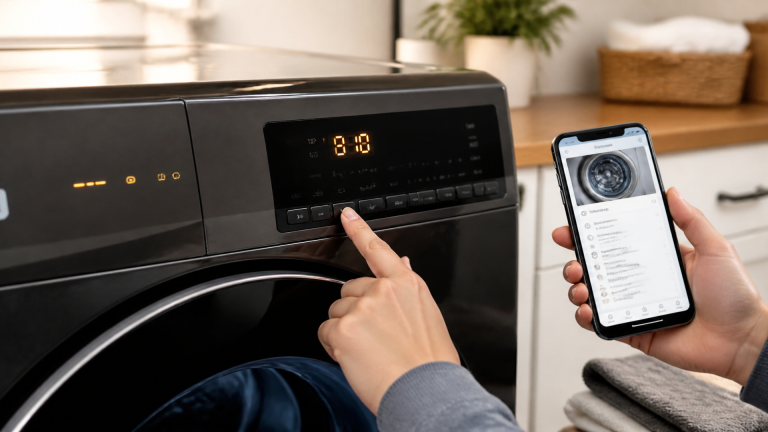
Common Causes of OE Error on LG Washing Machines
When it comes to LG washing machines, encountering an OE error can be frustrating for users. This error typically indicates a problem with the machine’s drainage system, and several factors could be at play. It’s important for owners to understand these common causes, as it can help them troubleshoot the issue effectively. From blocked drain hoses to faulty water pumps, there’s a range of potential culprits that could lead to the OE error on LG washing machines. By identifying the root cause, users can take the necessary steps to get their machines back in working order.
Key Takeaways
Regular inspection and maintenance of drain hoses, pump filters, and water pumps can prevent OE error.
Symptoms of water pump failure, such as loud noises and drainage issues, require prompt attention.
Proper installation, including leveling and drain hose positioning, is crucial for optimal washing machine performance.
Electrical issues, like faulty outlets or damaged wiring, can lead to operational inconsistencies and should be regularly checked.
Blocked Drain Hose
A blocked drain hose can lead to significant issues in LG washing machines. It’s crucial for users to recognize the signs of blockage and know how to check for it effectively. With the right approach, they can clear the hose and implement preventive measures to avoid future problems.
Signs of Blockage
Users might notice water not draining properly during a wash cycle, which could indicate a blockage. They may also observe unusual noises coming from the machine, suggesting the drain hose is compromised. If the washing machine displays an OE error code, that’s often a clear sign of drainage issues. Additionally, users might see water pooling around the machine, hinting that the hose isn’t functioning as it should. To address these concerns, it’s important to learn how to check the drain hose for blockages effectively.
How to Check
To check for a blocked drain hose, one should first unplug the washing machine for safety. Then, it’s important to locate the drain hose, typically found at the back of the unit. Users can inspect the hose for any visible kinks or bends that might restrict water flow. If everything looks good, they can detach the hose and run water through it to see if it drains properly. Finally, they should reattach the hose securely to avoid future issues.
Clearing the Hose
To clear the hose, users should first unplug the washing machine for safety. They can then detach the drain hose from both the machine and the sink or standpipe. Once disconnected, they’ll need to inspect the hose for any visible blockages or kinks. If they find a blockage, using a long object, like a wire hanger, can help dislodge it. After clearing the hose, reattaching it securely is essential to prevent future issues.
Preventive Measures
To prevent blockages in the drain hose, users should regularly inspect the hose for bends or kinks. They can also ensure that the hose is not submerged in water, as this may cause backflow. It’s advisable to clean the hose periodically to remove any buildup of debris. Additionally, users should avoid overloading the washing machine, which can put extra strain on the drainage system. These preventive measures can help maintain optimal performance, but a clogged pump filter can still cause issues if not addressed.
Clogged Pump Filter
A clogged pump filter can often lead to operational efficiency issues in washing machines. It’s essential for users to recognize the signs of a clogged filter before it escalates into more significant problems. By understanding the importance of pump filters, they can take proactive measures to maintain their appliances.
Understanding Pump Filters
Pump filters play a crucial role in the functionality of washing machines. They help prevent debris from entering the pump, ensuring smooth operation. If they’re not cleaned regularly, they can become clogged and cause errors. Users often overlook this component, but it’s vital for optimal performance. Regular maintenance of pump filters can save time and costly repairs down the line.
Signs of Clogged Filters
Users might notice unusual noises coming from their LG washing machines when the pump filter’s clogged. They may also observe water not draining properly, leading to standing water at the bottom of the drum. Additionally, error codes could appear on the display, indicating a problem with the machine’s operation. If the laundry comes out wetter than usual, it could be a sign that the filter needs attention. Recognizing these signs is crucial, and knowing how to clean filters can help prevent further issues.
How to Clean Filters
Cleaning the filters is a straightforward task that many users can handle. First, they should unplug the washing machine to ensure safety. Then, they can locate the filter, usually found near the pump area, and remove it carefully. After rinsing it under running water, they should check for any debris that needs to be cleared. Regular cleaning can significantly reduce the risk of future clogs.
Preventing Future Clogs
To prevent future clogs, users should regularly check and clean their pump filters. They shouldn’t ignore any signs of reduced water flow or unusual noises from the machine. It’s advisable to avoid overloading the washing machine, as this can contribute to clogs. Establishing a routine maintenance schedule can further enhance the machine’s longevity. Next, it’s important to consider how a kinked drain hose can also affect washing machine performance.
Kinked Drain Hose
A kinked drain hose can easily disrupt a washing machine’s performance, leading to various issues. It’s something many users might overlook, but it can have significant effects on the washing cycle. To address this, it’s important to understand how to identify kinked hoses and implement effective prevention techniques.
Identifying Kinked Hoses
When inspecting the drain hose, one should look for any visible bends or twists that might restrict water flow. It’s often the case that a kinked hose goes unnoticed during regular maintenance checks. Users can also check for unusual sounds coming from the machine, as these may indicate a blockage. If the washing machine isn’t draining properly, a kinked hose might be the culprit. By simply straightening the hose, many users can resolve drainage issues effectively.
Effects on Washing Cycle
A kinked drain hose causes water to back up, resulting in an incomplete washing cycle. It prevents the machine from draining properly, leading to residual water in the drum. Users may notice longer wash times as the machine struggles to complete its cycles. The error codes may flash, signaling a problem that needs immediate attention. Ultimately, it can lead to increased wear and tear on the machine’s components.
Prevention Techniques
To prevent kinks in the drain hose, users should ensure it’s installed correctly and not overly stretched. They can also periodically check the hose for any signs of wear or twisting. Keeping the area around the washing machine clear of obstacles can help maintain a straight path for the hose. Additionally, using hose clips or brackets can secure the hose in place and reduce movement. Regular maintenance and inspection can significantly minimize the risk of kinking.
Troubleshooting Tips
When users encounter an OE error, they should first check the drain hose for kinks or clogs. They can ensure the hose is positioned correctly and isn’t bent at sharp angles. If the hose appears clear, they might want to inspect the drain filter for debris. Sometimes, a simple reset of the washing machine can resolve the issue. Finally, if problems persist, it’s advisable to consult the user manual or contact customer support for further assistance.
Faulty Water Pump
A faulty water pump’s often overlooked, but it can lead to significant issues in LG washing machines. When this component fails, it typically triggers an OE error, indicating a problem with draining. Understanding the possible reasons and symptoms of water pump failure is crucial for effective troubleshooting.
Possible Reasons Explained
A clogged filter’s one common reason for a faulty water pump. Sometimes, debris and lint can accumulate, restricting proper drainage. Additionally, a damaged impeller can prevent the pump from functioning effectively. In some cases, electrical issues, like a broken wire, can interfere with the pump’s operation. Lastly, improper installation might also contribute to the pump’s malfunction.
Symptoms of Water Pump Failure
When the water pump fails, it often causes the washing machine to not drain properly. Users might notice water pooling at the bottom of the drum, indicating a blockage. There’s usually a loud, unusual noise when the machine attempts to drain. Additionally, the appliance may display an OE error code, signaling a drainage issue. In some cases, the machine may stop mid-cycle due to this malfunction.
Improper Installation
Improper installation can lead to a range of issues that users often overlook. It’s not just about placing the washing machine in the right spot; there are specific factors that can significantly affect its performance. Addressing these common causes can help prevent the OE error on LG washing machines.
Leveling the Washing Machine
Leveling the washing machine’s not just about aesthetics; it plays a crucial role in its operation. If it isn’t level, it can cause the drum to become misaligned, leading to poor drainage. Users often forget to check the machine’s balance after installation. An unlevel washing machine can result in excessive vibrations and noise during cycles. Ensuring the machine’s properly leveled can help prevent the OE error from occurring.
Correct Drain Hose Position
The drain hose’s position can greatly impact a washing machine’s efficiency. If it’s too high or too low, it can cause drainage issues that lead to the OE error. Users often forget to secure the hose properly, which can result in it becoming dislodged during a wash cycle. A kinked or obstructed hose will also prevent water from draining as it should. Ensuring the correct drain hose position is vital before moving on to the importance of proper electrical connections.
Proper Electrical Connections
Proper electrical connections are crucial for the smooth operation of LG washing machines. If the power supply isn’t stable, it could trigger the OE error. Users often underestimate the importance of checking outlet compatibility and voltage requirements. Loose or damaged wiring can also lead to operational failures. Ensuring that connections are secure can prevent unnecessary error messages.
Ensuring Ventilation Space
Ensuring proper ventilation space around the washing machine’s sides is crucial for its operation. It’s often overlooked, but inadequate airflow can cause overheating and lead to malfunctions. Users might not realize that obstructed vents can contribute to the OE error. Keeping the area clear helps the machine function efficiently and reduces the risk of errors. Next, it’s important to consider how overloading the washer can also trigger similar issues.
Overloading the Washer
Overloading the washer can lead to a range of problems that users might not immediately recognize. It’s important to understand the impact of overloading and be aware of the signs that indicate a washer is too full. By following the recommended load capacity and implementing some helpful tips, one can prevent potential issues from arising.
Impact of Overloading
Overloading the washer can cause it to work harder than necessary, leading to excessive wear and tear. It’s not uncommon for users to notice longer wash cycles when the machine’s overloaded. Additionally, overloading can result in poor cleaning performance, leaving clothes dirty or unwashed. There’s also a risk of the washer becoming unbalanced, which may cause it to shake or vibrate excessively. Recognizing the signs of an overloaded washer is crucial to maintaining its efficiency and longevity.
Signs of Overloaded Washer
When a washer’s drum is overloaded, it often struggles to spin properly. Users might notice excessive vibrations or loud noises during operation. The machine may also display error codes, indicating a malfunction. Clothes may come out excessively wet, suggesting inadequate drainage. Ultimately, the washer’s efficiency decreases, leading to longer wash cycles.
Recommended Load Capacity
Most LG washing machines have a recommended load capacity that varies by model. Users should consult the user manual to determine the specific limits for their washer. Typically, these machines can handle between 12 to 20 pounds of laundry, depending on the design. It’s crucial for users to adhere to these guidelines to avoid damaging the appliance. Implementing strategies to stay within this limit can help prevent overloading and its associated issues.
Tips to Prevent Overloading
To prevent overloading, users should regularly check their washer’s manual for load capacity guidelines. They can also sort laundry by fabric type and weight to avoid putting too much in at once. Using laundry baskets can help measure how much is being loaded, ensuring it stays within limits. It’s beneficial for users to keep an eye on the washer’s performance and watch for any unusual noises. Lastly, they should be mindful of the size of individual items, as bulky items can quickly add up and lead to overloading.
Electrical Issues
Electrical issues can often plague LG washing machines, leading to frustrating error codes. It’s not uncommon for users to encounter problems stemming from power supply or wiring. Identifying these common causes can help streamline the troubleshooting process.
Power Supply Problems
Power supply problems can frequently disrupt the normal functioning of LG washing machines. Users might find that their machines won’t start or respond due to inadequate voltage. Sometimes, a faulty outlet or a tripped circuit breaker could be the culprit. It’s essential for owners to ensure their machines are plugged into a stable power source. Once power supply issues are ruled out, attention can turn to wiring and connections issues.
Wiring and Connections Issues
Wiring and connection issues can be a significant factor in triggering the OE error on LG washing machines. Users often find that loose or damaged wires disrupt the machine’s ability to function properly. Sometimes, corroded connectors contribute to the problem, leading to inconsistent performance. In some cases, improper installation of components can also cause these errors. Addressing these wiring concerns is crucial for restoring the washer’s efficiency.
Malfunctioning Control Board
A malfunctioning control board can lead to a variety of issues in LG washing machines. It’s important to recognize the symptoms that indicate a problem with the control board. Once identified, the necessary steps for repairing control board issues can be addressed.
Control Board Symptoms
When the control board malfunctions, it often causes the washing machine to behave erratically. Users might notice that the machine won’t start or complete cycles as expected. In some cases, error codes may appear on the display, indicating a control board issue. Additionally, the machine might fail to respond to buttons or commands. Lastly, unusual noises during operation can also signal a problem with the control board.
Repairing Control Board Issues
Repairing control board issues often requires a careful diagnosis of the problem. Technicians typically start by inspecting the connections and wiring for any visible damage. If the control board’s components are found to be faulty, replacement parts might be necessary. After replacing the damaged components, it’s crucial to reassemble the unit properly. Testing the machine after repairs ensures that the control board functions as intended.
Conclusion
In summary, addressing the common causes of OE errors in LG washing machines can significantly enhance their performance and longevity. Regular maintenance, such as inspecting drain hoses and cleaning pump filters, plays a vital role in preventing operational issues. Users should also be mindful of proper installation and avoid overloading the appliance to ensure optimal functioning. Recognizing the signs of potential problems early on facilitates timely repairs and minimizes disruptions. Overall, understanding these aspects can lead to a more reliable and efficient washing experience.
If you’re looking to enhance your home maintenance skills, I highly recommend visiting this informative page on how to clean a trash compactor effectively. It provides valuable tips and techniques that will help keep your kitchen appliance in top shape, ensuring it operates efficiently and lasts longer. Don’t miss out on this essential guide!
Explore This Topic
- Back to Repair & Replacement
- Back to Repair & Replacement
Related guides in this cluster: