LG Washer Not Draining? Drain Pump Replacement in 30 Minutes
If your LG washing machine isn’t draining properly, the drain pump is a frequent cause. This guide provides a practical, step-by-step approach to replacing it yourself, helping you restore your appliance’s function.
Before You Start: Tools and Safety
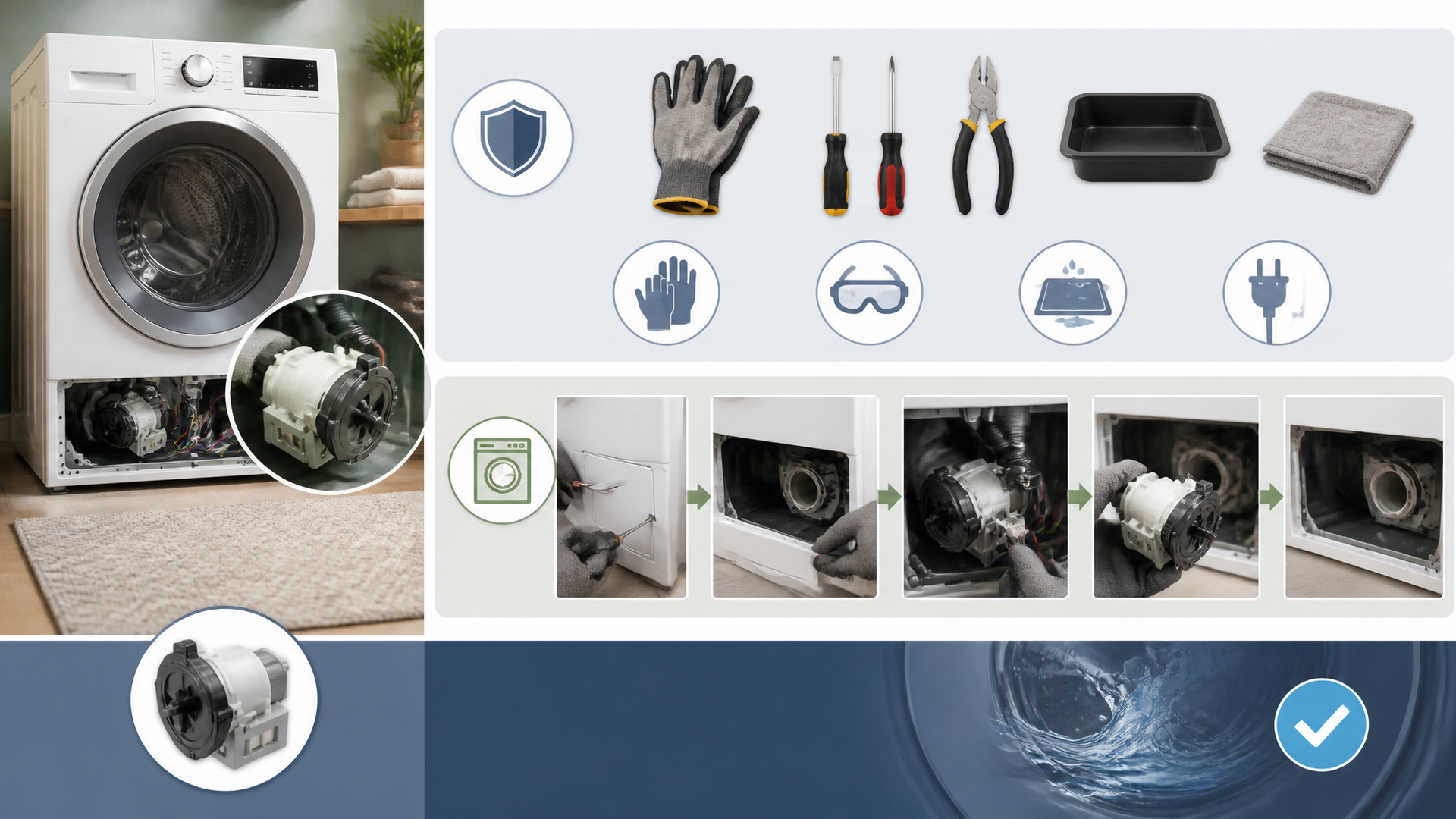
To ensure a safe and successful repair, gather the necessary tools and take crucial safety precautions before beginning.
- Power Off: Always unplug the washing machine from the wall outlet.
- Water Shutoff: Turn off both the hot and cold water supply valves connected to the machine.
- Essential Tools:
- Screwdriver set (Phillips and flathead)
- Pliers (for hose clamps)
- Bucket or shallow pan
- Towels or rags
- Replacement drain pump (verify compatibility with your LG model number)
- Safety Gear: Wearing work gloves can improve grip and protect your hands.
Accessing the Drain Pump
The drain pump is usually located at the bottom of your LG washing machine. Accessing it typically involves removing a front or rear panel.
- Front Panel Access: Many LG models have a removable lower front access panel, often secured by screws. This panel provides direct access to the pump.
- Rear Panel or Tilt Access: Some models may require you to tilt the machine back to reach the pump from underneath or to remove the rear access panel. If tilting, ensure the machine is stable and consider having assistance.
Replacing the Drain Pump: The Process
Follow these detailed steps to remove the old pump and install the new one.
Step 1: Disconnect Hoses and Electrical Connectors
1. Drain Hose: Locate the main drain hose connected to the pump’s outlet. It’s usually held by a spring clamp. Use pliers to compress the clamp and slide it back. Carefully detach the hose from the pump fitting. Position your bucket to catch any residual water.
2. Inlet Hose (if present): Some pumps may have an additional hose. Disconnect it using the same method as the drain hose.
3. Electrical Connector: Find the wire harness connected to the pump motor. Gently pull the plastic connector straight off the pump terminals, avoiding pulling on the wires.
Step 2: Remove the Old Drain Pump
1. Unfasten the Pump: The pump is typically mounted with screws or clips. Identify and remove these fasteners.
2. Extract the Pump: Once detached, gently wiggle the old pump free from its mounting. It might be slightly secured by sediment or seals.
Step 3: Install the New Drain Pump
1. Position New Pump: Align the replacement drain pump with the mounting points on the washing machine frame.
2. Secure the Pump: Reinstall the original screws or clips to firmly attach the new pump. Ensure it is stable.
3. Reconnect Hoses: Reattach the drain hose and any other disconnected hoses to the new pump’s fittings. Secure them tightly with the clamps.
4. Connect Electricals: Plug the wire harness back into the terminals on the new pump until it clicks into place.
Step 4: Reassemble and Test
1. Replace Access Panel: Reinstall the lower front access panel or the back panel, securing it with its screws.
2. Restore Water and Power: Turn the water supply valves back on and plug the washing machine back into the power outlet.
3. Test the Pump: Run a short drain or rinse cycle. Listen for the pump motor to operate and visually confirm that water is being expelled from the drain hose. For further guidance on troubleshooting, refer to this how to replace drain pump on lg washing machine resource.
Common Issues and How to Avoid Them
- Water Spillage: Have towels and a bucket ready before disconnecting any hoses to manage residual water.
- Difficult Hose Clamps: Old clamps can be stubborn. Use robust pliers and apply steady pressure. If a clamp is corroded, cutting it off and replacing it with a new one is often the best solution.
- Wrong Replacement Part: Always confirm your LG washing machine’s exact model number before buying a new pump. Using an incompatible part can lead to leaks or improper function. This is a critical step when you are reviewing the how to replace lg washing machine drain pump details.
- Damaged Electrical Connectors: Handle the wire harness and its connector with care. Pull the plastic connector body firmly, not the wires themselves.
Quick Check Before Full Reassembly
Before closing up the machine, perform these checks to confirm a successful installation:
- Is the new pump securely mounted with all fasteners in place?
- Are all hoses properly connected and their clamps tightened?
- Is the electrical connector fully seated?
- During a test cycle, does the pump motor sound normal and is water draining correctly?
- Are there any visible leaks from hose connections or the pump housing?
If these checks pass, proceed with full reassembly. If problems persist, re-examine your connections and consult a detailed step by step guide change drain pump lg washing machine for further assistance.
When to Call a Professional
If you’ve completed these steps and the machine still fails to drain, or if you encounter significant challenges like stripped screws, damaged wiring, or a pump that won’t fit, it’s advisable to contact a professional appliance repair technician. Forcing components or attempting complex electrical repairs without expertise can lead to further damage or safety risks.
Frequently Asked Questions
Q1: What are the primary signs my LG washing machine drain pump needs replacement?
Common indicators include the machine failing to drain, draining very slowly, unusual noises like grinding or humming during the drain cycle, or a burning smell from the pump area.
Q2: Can a clogged drain pump be repaired instead of replaced?
Often, a clogged pump can be cleared by removing debris from its filter or impeller. However, if the pump motor is damaged or worn out, replacement is necessary.
Q3: What is the typical lifespan of an LG washing machine drain pump?
The lifespan of a drain pump varies based on usage, water quality, and maintenance, but they commonly last between 5 to 10 years.
CODEBLOCK_0