How to Clean Filter on Samsung Front Load Washing Machine
When it comes to maintaining a Samsung front load washing machine, cleaning the filter is often overlooked, yet it’s essential for optimal performance. Many homeowners aren’t sure how to clean filter on Samsung front load washing machine, which can lead to various issues like clogs and inefficient washes. Regularly cleaning the filter not only extends the life of the appliance but also ensures that it runs smoothly. This article will guide readers through the necessary steps and best practices for filter maintenance. With the right tools and knowledge, anyone can keep their washing machine in top shape.
Understanding the Importance of Cleaning the Filter
Cleaning the filter is crucial for maintaining the efficiency and longevity of a Samsung front load washing machine. It’s often overlooked, but a dirty filter can lead to clogging and reduced performance. Regular maintenance helps prevent potential issues, ensuring the machine runs smoothly. Neglecting the filter can result in longer wash cycles and increased energy consumption. Ultimately, keeping the filter clean contributes to the overall lifespan of the appliance.
Tools and Materials Needed
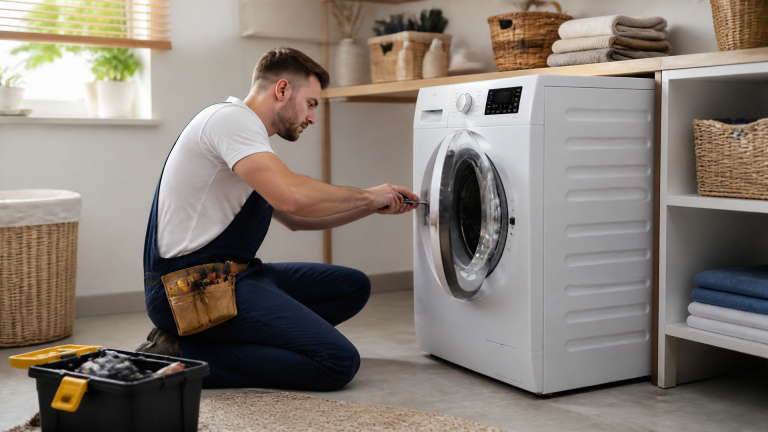
They’ll need a flathead screwdriver, a bowl for any excess water, and a cloth to wipe down the area. A pair of gloves can also come in handy to protect their hands from any grime. It’s wise to have a flashlight available to inspect the filter and surrounding components. A bucket might be useful for collecting any leftover water that may spill out during the process. Lastly, a brush can help in removing any stubborn debris from the filter.
Locating the Filter on Your Washing Machine
The filter on a Samsung front load washing machine is typically located at the bottom front of the appliance behind a small access panel. Users can easily identify the panel by looking for a small door or cover. Once opened, it reveals the filter compartment, which may have a drainage hose attached. It’s important to have a towel or shallow container ready, as some water might spill out during the process. After locating the filter, users can proceed to clean it effectively.
Steps to Safely Remove the Filter
Before starting, it’s important to gather the required tools to ensure a smooth process. Once everything’s in place, they can locate the filter for removal. After that, the filter can be safely removed, allowing for a thorough cleaning and reinstallation.
Gather Required Tools
Having the right tools ready is crucial for a successful filter removal process. They’ll need a flathead screwdriver to access the filter compartment. A bucket or towel is essential for catching any residual water during the removal. Additionally, having a soft cloth on hand ensures that they can clean the filter thoroughly. Lastly, a pair of gloves will keep their hands protected from any debris or grime.
Locate the Filter
Finding the filter often requires checking the appliance’s manual for specific locations. It’s usually located at the bottom front of the machine, behind a small access door. Once they find the door, they can gently open it to reveal the filter compartment. They should take care when removing the filter to avoid any spills. After locating it, they can proceed with the cleaning process.
Remove the Filter
Removing the filter requires careful attention to ensure no damage occurs during the process. They should gently twist and pull the filter to avoid any breakage. Once the filter’s out, it’s crucial to check for any debris trapped inside. After cleaning, they can securely position the filter back in place. Finally, ensuring everything’s tight will prevent leaks during the next wash cycle.
Clean and Reinstall
Cleaning and reinstalling the filter is crucial for maintaining optimal performance in the system. Once the filter’s out, they’ll need to rinse it under warm water to remove any debris. After that, a soft brush can be used to scrub any stubborn buildup. They should ensure the filter’s completely dry before reinserting it back into the machine. Finally, they’ll want to secure the filter properly to prevent any leaks during operation.
Cleaning the Filter: Best Practices
The filter’s maintenance is crucial for ensuring the washing machine operates efficiently. It’s recommended to clean the filter every few months to prevent buildup. Users should first unplug the machine and locate the filter panel. After opening the panel, they should gently remove the filter and rinse it under running water. Finally, they’ll need to reinsert the filter securely before closing the panel.
Reinstalling the Filter Correctly
After cleaning the filter, it’s essential to reinstall it correctly for optimal performance. If it’s not aligned properly or secured, it could lead to operational issues. Let’s look at the key steps to ensure the filter is reinstalled correctly.
Align Filter with Hose
Aligning the filter with the hose is crucial for ensuring that the system operates efficiently. It’s important to check for any debris that might obstruct the connection. Once everything’s cleared, the filter should fit snugly against the hose. If it doesn’t, it’s likely that the machine won’t function correctly. A proper alignment helps avoid leaks and maintains the washing machine’s performance.
Secure Filter in Place
Securing the filter in place ensures that it functions effectively without any leaks or disruptions. Once it’s aligned properly, the user should twist it to lock it into position. It’s crucial that the filter’s latch clicks to confirm it’s secured. Failing to tighten it enough can lead to water leaks during cycles. Regular checks can help ensure the filter remains in place over time.
Check for Leaks
Checking for leaks is crucial to ensure everything functions smoothly and efficiently. He’s always advised to inspect the area around the filter after reinstalling it. If there’s any moisture or water accumulation, it indicates a potential problem. She’s encouraged to run a short cycle to monitor for any signs of leakage. Identifying and addressing leaks promptly can prevent further damage to the washing machine.
Test Washing Machine Function
Testing the washing machine’s function ensures everything is working properly and helps identify any potential issues. It’s crucial to run a short cycle after reinstalling the filter to check for any leaks. Listening for unusual noises during operation can indicate misalignment. Observing the water drainage process confirms that the filter is functioning as intended. Regular testing contributes to the longevity and efficiency of the appliance.
Regular Maintenance Tips for Your Washing Machine
Regular maintenance is essential for keeping a washing machine running smoothly. It helps to prevent issues and extends the appliance’s lifespan. By focusing on the importance of regular cleaning and best maintenance practices, one can ensure optimal performance.
Importance of Regular Cleaning
The importance of regular cleaning can’t be overstated, as it prevents buildup that can lead to malfunctions. Many homeowners overlook this vital task, thinking it’s not necessary. However, neglecting to clean can result in costly repairs down the line. Regular cleaning also ensures that the machine operates at peak efficiency, saving energy and water. Ultimately, staying on top of maintenance can prolong the life of the washing machine significantly.
Best Maintenance Practices
Best maintenance practices for a washing machine aren’t just beneficial; they can significantly enhance its efficiency and longevity. Regularly checking and cleaning the filter helps prevent clogs and improves water flow. It’s important to inspect hoses for wear and tear to avoid leaks. Scheduling routine deep cleans can eliminate buildup that affects performance. Lastly, maintaining a balanced load during washes minimizes strain on the machine and promotes even wear.
Signs That Your Filter Needs Attention
When it comes to washing machines, it’s not always easy to tell when something’s off. If one’s noticing unusual sounds or poor drainage, it might be time to check the filter. Additionally, if lint is accumulating in the drum or laundry isn’t coming out clean, those are clear signs the filter needs attention.
Unusual Noises During Operation
Unusual noises during operation can indicate that something isn’t functioning properly in the washing machine. It’s often a sign that the filter’s clogged or there’s debris stuck in the system. When this happens, the machine might struggle to drain properly, leading to further issues. If the sounds persist, one should definitely consider inspecting the filter for blockages. Ignoring these noises could lead to more significant problems down the line.
Poor Drainage Performance
Poor drainage performance in a washing machine often signals that there’s a blockage somewhere in the system. It’s common for debris or lint to accumulate in the filter, causing water to back up. If the machine’s not draining properly, it may lead to longer wash cycles and wet clothes. Ignoring this issue could result in more serious problems down the line. Regularly checking and cleaning the filter can help maintain optimal performance.
Lint Buildup in Drum
Lint buildup in the drum can lead to inefficient drying and may even cause potential damage to the machine if left unchecked. It often accumulates from clothes that shed fibers during cycles. Users might notice their laundry feeling damp or taking longer to dry. Regular cleaning of the drum helps maintain optimal performance. Ignoring the lint can result in more extensive repairs down the line.
Laundry Remains Dirty After Cycle
Laundry often comes out dirty after a cycle if the washing machine’s settings aren’t correctly adjusted. It’s crucial to ensure the water temperature matches the fabric type for optimal cleaning. If the load is too large, it won’t allow the clothes to move freely, leading to inadequate washing. Sometimes, using too much detergent can leave residue, making clothes appear unclean. Lastly, if the filter’s clogged, it can hinder proper drainage, resulting in dirty laundry.
For a comprehensive guide on maintaining your Samsung front load washing machine, I highly recommend visiting this page on how to clean your Samsung front load washing machine filter. It provides step-by-step instructions and useful tips to ensure your appliance runs efficiently. Check it out here: clean filter samsung front load washing machine.
Explore This Topic
- Back to Cleaning & Descaling
- Back to Cleaning & Descaling
Related guides in this cluster: