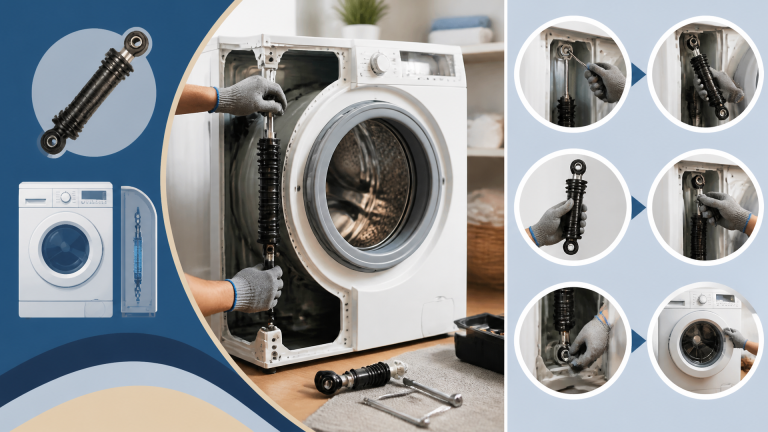
Common Issues in Clothes Washing Machines and How to Repair Them
We’ve all faced those frustrating moments when our washing machines decide to act up, don’t we? From unexpected leaks to annoying noises, it can feel overwhelming trying to figure out how to repair a clothes washing machine. Luckily, we’re here to help you understand the common issues that can arise with these appliances. In this article, we’ll explore everything from spin cycle problems to pesky odors and mold. Together, we can tackle these challenges and keep our laundry routine running smoothly!
Common Washing Machine Leaks
We’ve all seen those annoying puddles around our washing machines. It’s frustrating when we can’t figure out where the leak’s coming from. Often, it’s just a worn-out door seal that needs replacing. If we’re lucky, it might just be a loose hose connection that we can tighten ourselves. Sometimes, we notice detergent buildup that can cause leaks too. We should remember to clean the detergent drawer regularly to prevent this. If we can’t find the source, it might be time to call a professional for help.
Unusual Noises and Their Causes
We’ve all experienced those strange sounds coming from the washing machine. Sometimes, it sounds like a loud banging noise, which could mean something’s loose inside. If we hear a grinding noise, it might indicate a problem with the motor or the belt. We also notice a high-pitched squealing, often related to worn-out bearings. When it starts to rattle, we should check for foreign objects stuck in the drum. If we hear a humming sound that doesn’t stop, it could mean it’s having trouble spinning. We’ve gotta pay attention to these noises to catch issues early.
Problems with Spin Cycle Performance
We’ve all faced issues with our washing machines during the spin cycle. Sometimes, they just won’t spin at all, leaving our clothes soaked. Other times, the spin cycle might be unbalanced, causing the machine to shake violently. We often notice that overloading the drum can lead to these spin problems. If the lid switch isn’t functioning, it can prevent the spin cycle from starting altogether. We should also check for any blockages in the drainage system, as that can stop proper spinning. Regular maintenance can help us avoid these frustrating spin cycle issues.
Odors and Mold Issues
We’ve noticed some unpleasant odors coming from our washing machines. It’s frustrating when our clothes come out smelling worse than they went in. We’ve found that mold often builds up in the rubber gasket. We can usually resolve this by cleaning it with a vinegar solution. We’ve also discovered that leaving the door ajar helps prevent future mold growth. Sometimes, we forget to clean the detergent dispenser, which can contribute to the smell. Regular maintenance has become a priority for us to keep our machines fresh.
Error Codes and Troubleshooting Steps
When it comes to our washing machines, error codes can be frustrating but are often a sign of underlying issues. We’ve got to understand these codes and follow some effective troubleshooting techniques to get things back on track. Let’s dive into the details of error code meanings and the best troubleshooting steps we can take.
Error Code Meanings
We’ve encountered various error codes on our washing machines that indicate different problems. Sometimes, we find ourselves puzzled by a flashing display that requires immediate attention. We’ve learned that each code corresponds to specific issues, helping us pinpoint the source of the malfunction. It’s crucial for us to refer to the manual to decode these messages effectively. By understanding the error codes, we can tackle repairs more confidently.
Troubleshooting Techniques
When we encounter an error code, we should start by checking the user manual for troubleshooting steps. We’ve got to unplug the machine and wait a few minutes before plugging it back in to reset the system. If that doesn’t work, we can inspect the hoses for kinks or blockages that might be causing issues. We’ve also got to clean the filter regularly to prevent buildup that could lead to problems. Finally, if all else fails, we should consider calling a professional for assistance.
Conclusion
In summary, we’re reminded of the importance of regular maintenance for our washing machines to prevent common issues. By staying proactive, we can tackle leaks, unusual noises, and odors before they escalate into bigger problems. Knowing how to interpret error codes and perform basic troubleshooting can save us time and stress. Let’s make it a habit to clean and inspect our machines, ensuring they run smoothly for years to come. With a little effort, we can keep our laundry experiences hassle-free and enjoyable.
If you’re looking to maintain your home appliances effectively, I highly recommend visiting this informative page on how to clean Kenmore dishwashing machine filters. Keeping your dishwasher in top shape can significantly enhance its performance and longevity. You can check it out here: how to clean Kenmore dishwashing machine.
Explore This Topic
- Back to Repair & Replacement
- Back to Repair & Replacement
Related guides in this cluster: