
How to Clean a Whirlpool Washing Machine Filter
If you’ve ever wondered how to clean a Whirlpool washing machine filter, you’re in the right place. Keeping your washing machine filter clean is essential for maintaining optimal performance and extending the life of your appliance. You might not realize it, but a clogged filter can lead to issues like poor drainage and unpleasant odors. In this guide, we’ll walk you through the tools you’ll need and provide a simple, step-by-step cleaning process. By the end, you’ll know exactly how to keep your Whirlpool washing machine running smoothly.
Key Takeaways
Regular maintenance of lint, inlet, and pump filters is crucial for extending the lifespan and efficiency of Whirlpool washing machines.
Proper cleaning practices involve using manufacturer-recommended products and avoiding abrasive chemicals.
The step-by-step cleaning process includes locating the filter, rinsing it, inspecting for damage, and securely reinstalling it.
Persistent issues or unusual noises during operation should prompt consultation with a professional to prevent further damage.
Understanding Your Whirlpool Washing Machine Filter
Understanding your Whirlpool washing machine filter is essential for maintaining its performance. You’ll want to familiarize yourself with the different types of filters and where they’re located in your machine. This knowledge will help you effectively manage the cleaning process and ensure your washer runs smoothly.
Types of Washing Machine Filters
The types of washing machine filters include lint filters, inlet filters, and pump filters, each playing a crucial role in maintaining your machine’s efficiency. You’ll find the lint filter typically located near the wash drum, catching loose fibers during a cycle. The inlet filter is often found where the water supply connects, preventing debris from entering the machine. Meanwhile, the pump filter helps keep the drainage system clear, preventing clogs and ensuring proper water flow. Understanding these filters helps you keep your Whirlpool washing machine in top shape.
Filter Location and Access
Knowing where to find and access your washing machine’s filter can save you time and hassle during maintenance. You’ll typically find the filter at the front or back of your Whirlpool washing machine. To access it, you might need to remove a small panel or unscrew a cap. Make sure to have a towel handy, as some water may spill out when you open it. Once you’ve located the filter, cleaning it regularly will help keep your machine running efficiently.
Tools Needed for Cleaning
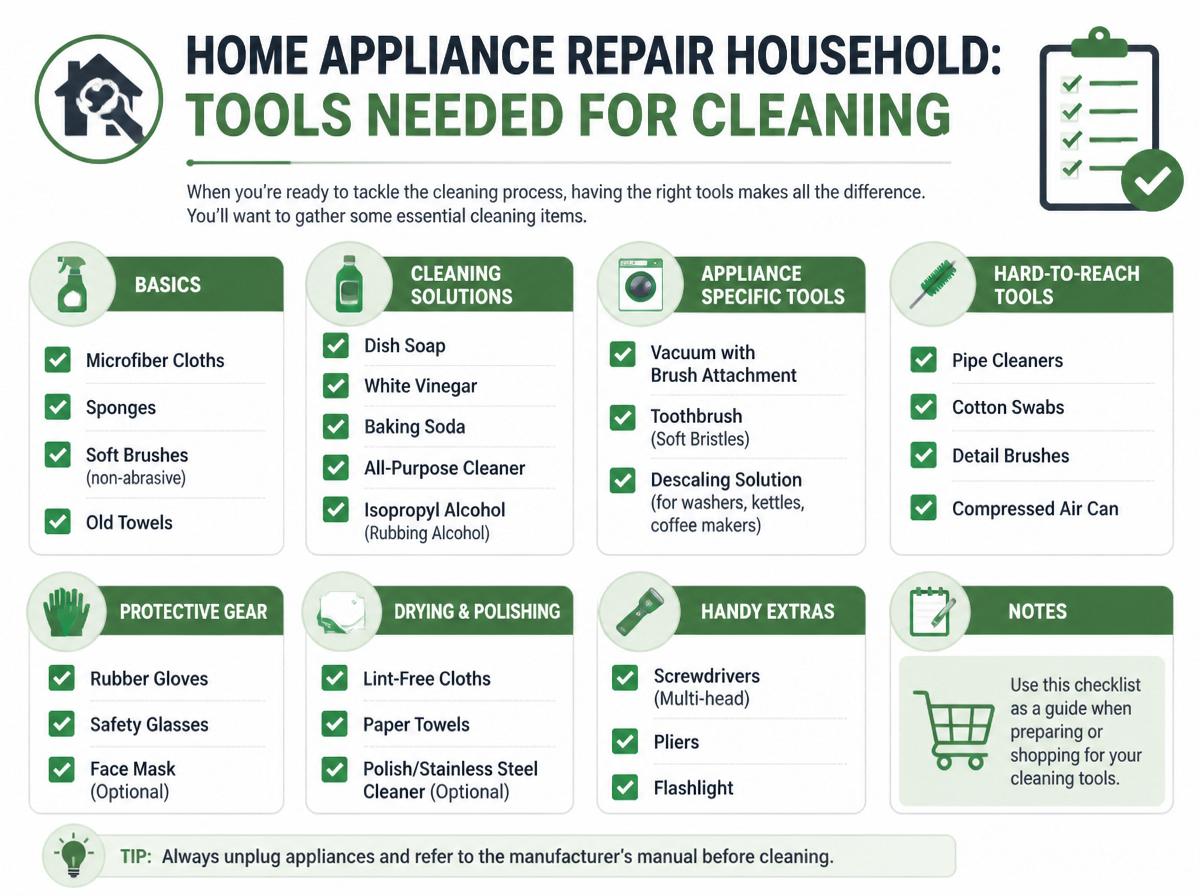
When you’re ready to tackle the cleaning process, having the right tools makes all the difference. You’ll want to gather some essential cleaning tools that will help you get the job done efficiently. Let’s take a look at the recommended supplies list to ensure you have everything you need.
Essential Cleaning Tools
Essential cleaning tools are crucial for making your cleaning tasks quicker and more effective. You’ll need a soft brush to remove debris from the filter. A bucket will help you catch any water while you’re cleaning. Don’t forget a microfiber cloth for wiping down surfaces afterward. Finally, having a pair of gloves will protect your hands from any grime.
Recommended Supplies List
You’ll find that having a comprehensive supplies list helps you stay organized and focused during your cleaning tasks. You’ll need a soft brush to dislodge any debris from the filter. A bowl or container for soaking the filter is essential to loosen stubborn dirt. Don’t forget to grab a microfiber cloth for drying and polishing afterward. Lastly, having a bottle of vinegar or a mild detergent on hand will aid in the cleaning process.
Step-by-Step Cleaning Process
Now that you’ve gathered the necessary tools, it’s time to dive into the step-by-step cleaning process. You’ll want to ensure you have all the cleaning supplies needed before you start. Once you’re ready, you can move on to the filter removal steps.
Cleaning Supplies Needed
The right cleaning supplies can make a significant difference in how effectively you tackle the task at hand. You’ll need a soft cloth or sponge for gentle cleaning. A small brush, like an old toothbrush, can help get into those tight spaces. Don’t forget a bucket or basin to catch any water or debris. Lastly, having a mild detergent on hand will help you remove any stubborn grime.
Filter Removal Steps
Filter removal steps require careful handling to avoid damage or dirt spreading. First, you’ll need to locate the filter compartment, usually found at the bottom front of the machine. Next, gently twist or pull the filter out, taking care not to force it. After removing the filter, be ready for any water that might spill out, so have a towel handy. Finally, inspect the filter for any buildup and prepare it for cleaning.
Rinsing and Replacing the Filter
Now that you’ve cleaned your washing machine, it’s time to focus on rinsing and replacing the filter. You’ll want to ensure it’s free from debris and in good condition for optimal performance. Let’s dive into the essential steps you need to follow.
Rinsing the Filter Properly
Rinsing the filter properly ensures that it functions effectively and prolongs the life of your washing machine. You’ll need to remove the filter from its compartment gently. Once it’s out, rinse it under warm running water to dislodge any trapped debris. Make sure to inspect it for any signs of damage before reinserting it. Finally, place the filter back securely to ensure it’s ready for use.
Inspecting for Damage
Inspecting for damage is crucial to ensure your washing machine operates efficiently and lasts longer. You should check for any cracks or breaks in the filter that might hinder its function. Don’t forget to look for signs of wear that could lead to leaks. If you notice any damage, it’s best to replace the filter right away. Regular inspections can save you from costly repairs down the line.
Reinstalling the Filter
Reinstalling the filter is crucial for your washing machine’s effective operation. After cleaning, make sure you align it properly with the slot. You should hear a click when it’s securely in place. Don’t forget to check for any leaks after reinstalling. Regular maintenance will keep your machine running smoothly.
Regular Maintenance Tips
Regular maintenance tips can help you keep your washing machine running efficiently and extend its lifespan. Check the hoses for any signs of wear or leaks every few months. Clean the detergent drawer regularly to prevent buildup and clogs. Run a cleaning cycle with vinegar to eliminate odors and residue. Don’t forget to inspect and clean the filter to ensure optimal performance.
Common Issues and Troubleshooting
Common issues with your washing machine filter can lead to poor performance, so it’s important to troubleshoot them promptly. You might notice your washer isn’t draining properly, which could indicate a clogged filter. If your clothes come out dirtier than before, it’s likely that the filter needs cleaning. Strange noises during the wash cycle can also point to a filter problem. Additionally, you may see water leaks around the machine’s base.
If your washer takes longer than usual to complete cycles, a blocked filter might be the culprit. You should also check for a foul odor, as it can signal buildup within the filter. Always inspect the filter screen for lint and debris after each load. Addressing these common issues can help maintain your washing machine’s efficiency.
Maintenance Tips for Optimal Performance
To ensure your washing machine runs smoothly, you’ll want to stay on top of maintenance tasks. By following a few simple tips, you can keep your appliance performing at its best. Here are some essential maintenance tips you shouldn’t overlook.
Regular Filter Cleaning Schedule
A filter cleaning schedule can help you avoid clogs and ensure your washing machine operates efficiently. You should check your filter every month to see if it needs cleaning. If you notice reduced water flow, it’s a sign that your filter may be clogged. Cleaning it regularly can extend the life of your appliance. Don’t forget to mark your calendar to keep track of your filter maintenance tasks.
Inspect for Damage Periodically
Inspecting for damage periodically helps you catch any issues before they become major problems. You should check the filter for cracks or signs of wear. If you notice anything unusual, replace the filter promptly. Don’t forget to examine the surrounding components for any potential leaks. Staying proactive can save you from costly repairs down the line.
Use Recommended Cleaning Products
Using recommended cleaning products helps prevent damage and ensures your washing machine stays in top condition. You should always check the labels to find suitable options for your model. It’s important to avoid harsh chemicals that could harm the machine’s components. Regularly using these products can keep the filter clean and free from buildup. Remember, maintaining cleanliness leads to better performance over time.
Check Hoses and Connections
Checking hoses and connections regularly helps prevent leaks and ensures your washing machine operates efficiently. You should inspect the hoses for any signs of wear or damage. If you notice cracks or bulges, it’s time to replace them. Make sure the connections are tight to avoid any water leaks. Regular checks will save you from potential water damage and costly repairs.
When to Seek Professional Help
If you notice your washing machine isn’t performing as it should, it might be time to consider professional help. Don’t ignore signs of severe clogging or persistent mechanical issues, as these can lead to bigger problems down the line. Recognizing when to seek assistance can save you time and money in the long run.
Signs of Severe Clogging
Signs of severe clogging often include water backing up in the drum or slow drainage during cycles. You might notice a foul odor emanating from the machine as well. If your clothes aren’t getting clean despite running multiple cycles, that’s another indicator. Unusual noises during operation can also signal a problem. Finally, if you’ve checked the filter and still experience issues, it’s time to seek professional help.
Persistent Mechanical Issues
Persistent mechanical issues can be frustrating, and you shouldn’t hesitate to call a professional when they arise. If your washing machine makes unusual noises, it’s a sign something’s wrong. You might notice water not draining properly, which can be a major concern. Don’t ignore error codes that pop up, as they can indicate serious malfunctions. Addressing these issues promptly can help prevent further damage and costly repairs.
Frequently Asked Questions
How often should i clean the filter of my whirlpool washing machine?
You should clean the filter of your Whirlpool washing machine every few months to keep it running efficiently. If you notice any issues with drainage or performance, it’s a good idea to check the filter more frequently.
Can i use any cleaning products to clean the filter?
You shouldn’t use just any cleaning products on the filter, as some may damage it or leave harmful residues. It’s best to stick to mild soap and water or specific cleaners recommended by the manufacturer.
What should i do if i can’t find the filter in my washing machine?
If you can’t find the filter in your washing machine, check your user manual for its specific location. It might be hidden behind a panel or in the drum area, so don’t hesitate to look closely!
Conclusion
In summary, keeping your Whirlpool washing machine filter clean is vital for its performance and longevity. By regularly checking and maintaining the different types of filters, you can avoid common issues like clogs and leaks. Using the right tools and cleaning methods makes the process straightforward and effective. Don’t ignore signs of trouble; addressing them early can save you from costly repairs. With a little effort, you can ensure your machine runs smoothly for years to come.
If you’re looking to maintain the efficiency of your home appliances, be sure to check out this informative guide on how to properly clean a Cuisinart coffee maker. Keeping your coffee maker in top shape is just as important as cleaning your washing machine filter. You can find the detailed instructions at this link!
Explore This Topic
- Back to Cleaning & Descaling
- Back to Cleaning & Descaling
Related guides in this cluster: