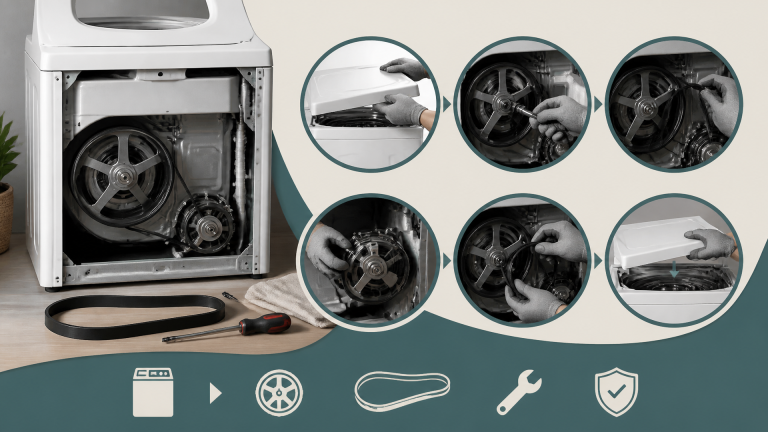
Which Reset Methods Do Fix GE Profile Washing Machine Issues?
Understanding which reset methods effectively resolve issues with GE Profile washing machines is essential for ideal performance. Common techniques such as power cycling, performing factory resets, and resetting the control board play significant roles in troubleshooting. Additionally, addressing error codes and verifying components like the door lock mechanism and drain system can further enhance reliability. Exploring these methods offers valuable insights for users seeking solutions to their washing machine concerns.
Key Takeaways
- Power cycling the washing machine can resolve issues like poor water supply and unresponsive controls by allowing residual power to dissipate.
- Performing a factory reset restores original machine settings and enhances overall performance by rebooting the system.
- Resetting the control board by disconnecting power clears erratic operations caused by power surges or malfunctions.
- Inspecting error codes helps diagnose specific malfunctions, allowing for appropriate troubleshooting techniques and quicker repairs.
- Regular checks on power supply and the circuit breaker can prevent operational failures and ensure stable machine performance.
Power Cycling the Washing Machine
Power cycling the washing machine can effectively troubleshoot various issues encountered with GE Profile models. This method involves turning the unit off and back on after a brief period, which can reset its systems and resolve functionality problems. Common issues may include poor water supply, incorrect cycle selection, or unresponsive controls.
To perform a power cycle, the operator should unplug the machine or turn off the circuit breaker for approximately five minutes. This duration allows any residual power to dissipate, ensuring a complete reset. Once the power is restored, the machine can be turned on, and the user can select the desired cycle, checking for improvements in performance. This simple intervention can often restore normal operation without additional repairs.
Performing a Factory Reset
Performing a factory reset on a GE Profile washing machine involves restoring the device to its original settings, which can address various operational issues. Understanding the factory reset process is essential for users seeking to troubleshoot persistent problems and enhance overall machine performance. This procedure not only resolves glitches but also can improve the efficiency of the washing machine.
Understanding Factory Reset Process
How does one initiate a factory reset on a GE Profile washing machine? The factory reset process is vital for resolving persistent issues. First, make certain the machine is powered on. Locate the control panel and press the “Power” button to turn the unit off. Next, unplug the washing machine from the power source. After waiting for at least 30 seconds, plug the machine back in. Then, press and hold the “Start” button followed by the “Pause” button. Release both buttons after a few seconds. This completes the reset process steps. Understanding the factory reset importance is essential, as it often restores the machine to its default settings, eliminating glitches and restoring functionality effectively.
Benefits of Resetting Machine
Resetting a GE Profile washing machine can provide several advantages that enhance its overall performance and longevity. By executing a factory reset, users can effectively resolve software malfunctions that may disrupt normal operation, ensuring the machine functions as intended. This process can clear error codes and restore default settings, promoting ideal efficiency in wash cycles and reducing energy consumption. Additionally, it mitigates the frequency of repairs, contributing to machine longevity, which can result in cost savings over time. The streamlined interface following a reset also facilitates user convenience, enabling quicker access to settings and features. Overall, periodic resets can greatly enhance the user experience while prolonging the lifespan of the washing machine.
Resetting the Control Board
While users may encounter various issues with their GE Profile washing machines, a common solution involves resetting the control board. This action is crucial for restoring control board functionality, which may become erratic due to power surges or other malfunctions. To perform the reset, one typically needs to disconnect the washing machine from its power source for several minutes. Following this period, reconnect the machine and allow the control board to reboot. This troubleshooting technique can resolve various operational problems, potentially boosting performance and reliability. Users should verify that the power supply is stable before attempting the reset, as this can prevent future interruptions in control board functionality. Careful adherence to these steps can greatly improve the washing machine’s performance.
Troubleshooting Error Codes
Troubleshooting error codes is essential for diagnosing issues in GE Profile washing machines. Common error codes can provide insight into specific malfunctions and operational failures. Understanding these codes, alongside effective reset methods, can facilitate timely repairs and proper maintenance.
Common Error Codes
Understanding the common error codes displayed on GE Profile washing machines is essential for effective troubleshooting. These error codes serve as crucial indicators of underlying issues, aiding users in identifying the problem swiftly. For instance, the error code “E30” signifies a door lock failure, while “E04” indicates a problem with water drainage. Familiarity with error code meanings empowers users to employ appropriate troubleshooting techniques, such as verifying door closure or checking the drain hose for blockages. Users should consult the user manual for a complete list of error codes and their meanings, ensuring a more efficient resolution process. Effective interpretation of these codes can lead to quicker, cost-effective repairs, enhancing the washing machine’s overall functionality.
Reset Methods Overview
When experiencing error codes on GE Profile washing machines, resetting the appliance can often restore normal operation. Several reset methods are available to address specific error codes and improve machine performance. The first method involves unplugging the machine for a minimum of five minutes, which can clear temporary faults. Alternatively, performing a factory reset through the control panel can eliminate persistent issues and restore default settings. Additionally, running the self-diagnostic mode can identify and address underlying problems. Proper implementation of these reset methods can help resolve operational disruptions and enhance overall machine performance. Users should refer to the user manual for detailed instructions specific to their model, ensuring an effective resolution to error codes encountered.
Verifying the Door Lock Mechanism
To guarantee proper operation, verifying the door lock mechanism of a GE Profile washing machine is essential. The door latch plays an important role in the lock functionality, ensuring the machine operates safely and effectively. A malfunction in the door lock can lead to various operational issues, including the failure to start functions or unexpected interruptions during cycles.
| Component | Inspection Method |
|---|---|
| Door Latch | Check for physical damage |
| Lock Mechanism | Test locking and releasing |
| Wiring Connections | Inspect for loose connections |
| Control Board | Verify no error codes present |
Regular verification of these components can help diagnose problems early, ensuring the washing machine performs at its best. Proper attention to the door lock mechanism contributes greatly to the overall reliability of the appliance.
Checking the Drain System
Checking the drain system is essential for ensuring that a GE Profile washing machine functions efficiently. A clogged drain can lead to drain blockage, preventing water from exiting the machine properly. This issue often manifests as prolonged cycles or water remaining in the drum after a wash. It’s imperative to inspect the drain hose for kinks or obstructions, as well as any lint traps that may contribute to blockages. Additionally, pump issues can arise if the drain pump is malfunctioning; signs include unusual noises or failure to start. Regular maintenance and timely troubleshooting can mitigate these concerns, prolonging the life of the washing machine and maintaining its performance. As a result, addressing these aspects is critical for ideal operation.
Examining Power Supply Issues
Addressing drain system issues can lead to further examination of the power supply, as electrical problems may prevent the washing machine from functioning correctly. In many cases, a faulty power supply or a tripped circuit breaker can disrupt the machine’s operations. It is essential to inspect these components systematically.
| Component | Potential Issue |
|---|---|
| Power Supply | Loose connections |
| Circuit Breaker | Tripped or damaged |
| Voltage Levels | Inadequate voltage supply |
| Plug and Outlet | Faulty connection |
| Wiring | Corroded or frayed wires |
Verifying the integrity of the power supply and ensuring the circuit breaker is functioning can resolve many operational issues with GE Profile washing machines.
Frequently Asked Questions
How Often Should I Reset My GE Profile Washing Machine?
Reset frequency for a GE Profile washing machine typically occurs during troubleshooting methods. Users may reset the machine as needed to resolve issues; however, excessive resetting can indicate underlying problems that require professional intervention or service.
Can a Reset Fix Mechanical Issues in My Washing Machine?
A reset often serves as a first step in mechanical troubleshooting, akin to rebooting a computer. However, its effectiveness varies; mechanical issues typically require deeper diagnostics or repair, rather than relying solely on resetting the system.
What Indicators Show That a Reset Was Successful?
Successful reset indicators include the washing machine powering on without error messages, the cycle selection buttons illuminating properly, and the absence of unusual sounds during operation. These signs confirm that the reset process was effective.
Will Resetting Erase My Washing Machine’s Saved Settings?
“Out with the old, in with the new.” A reset typically clears all saved settings, greatly impacting user preferences. Therefore, users should note that resetting their washing machine erases any personalized configurations they had previously established.
Are There Any Risks to Frequently Resetting My Washing Machine?
Frequent resetting of a washing machine can compromise machine reliability. Excessive reset frequency may lead to underlying issues going unaddressed, ultimately resulting in diminished performance or premature component failure, necessitating more frequent repairs or replacements.
Conclusion
In conclusion, employing reset methods like power cycling, factory resets, and control board resets can alleviate various issues with GE Profile washing machines. Much like turning off a flickering light to restore clarity, these techniques help reset the machine’s functionality, addressing malfunctions effectively. Additionally, extensive troubleshooting of error codes, door locks, drainage systems, and power supply guarantees thorough maintenance. By regularly implementing these strategies, users can enhance the performance and longevity of their washing machines.
Explore This Topic
- Back to reset methods
- Back to GE Profile
Related guides in this cluster: