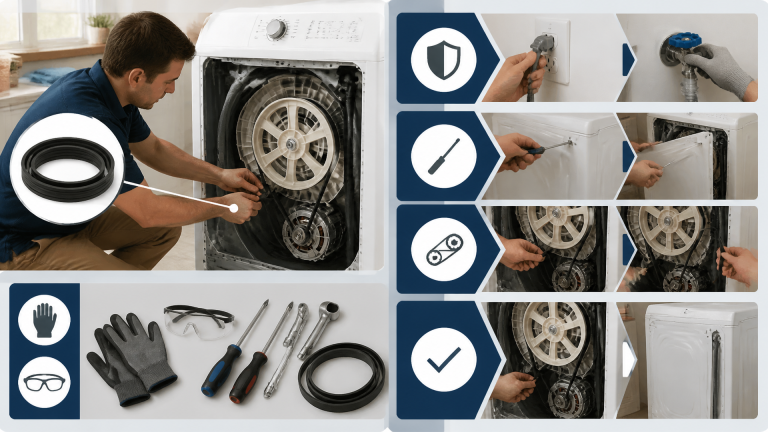
Step-by-Step Guide to Install a Refrigerator Compressor
Replacing a refrigerator compressor can seem tricky, but it’s manageable with the right guidance. Think of it as giving your fridge a little boost! Start by understanding what a compressor does and gathering your tools. Safety comes first, so don’t skip those precautions. Once you’re prepped, the real work begins. Detailed steps will guarantee everything is done right, leading to a smoothly running fridge. So, what comes next in this handy guide?
Key Takeaways
- Prepare by gathering all necessary tools and materials, and ensure safety precautions are in place before starting the installation process.
- Unplug the refrigerator, remove food items, and disconnect power and water lines before beginning to disconnect the old compressor.
- Securely position the new compressor in place, reconnecting power and water lines while ensuring all connections are tight to prevent leaks.
- Use a vacuum pump to remove moisture and follow the manufacturer’s installation guidelines closely during the installation of the new compressor.
- After installation, plug the refrigerator back in, listen for the compressor activation, and monitor the internal temperature for proper cooling performance.
Understanding the Role of the Refrigerator Compressor
The refrigerator compressor is like the heart of your fridge, pumping life into its cooling system. Its main job is to help keep your food fresh and cold. This component works tirelessly, turning gas into a liquid and back again in a process called the refrigeration cycle. In simple terms, the compressor function moves refrigerant through the system, absorbing heat from inside the fridge and releasing it outside. This keeps your food at the perfect temperature, even on the hottest days! Understanding how the compressor helps the refrigerator work can make you feel more connected to your appliance. So, take a moment to appreciate this hardworking part—without it, your leftovers might just turn into a science project!
Tools and Materials Needed for the Installation

Installing a refrigerator compressor is a bit like setting out on a fun adventure, and having the right tools and materials is like packing your bag for a trip. To initiate this journey smoothly, one must gather essential refrigerator tools and compressor materials.
Embarking on a refrigerator compressor installation is an adventure; gather your essential tools and materials for a smooth journey!
Here’s a handy checklist to guarantee everything is at hand:
- A screwdriver, trusty for unscrewing and securing parts
- A wrench, perfect for gripping and turning bolts
- Replacement seals, to keep everything snug and leak-free
- A vacuum pump, vital for removing moisture from the compressor
With these items ready, the task ahead seems less intimidating. So, gear up, and remember that everyone starts somewhere—soon, this installation adventure will feel like a breeze!
Safety Precautions to Follow
Safety is the ultimate key to a successful refrigerator compressor installation. Before diving into the project, everyone should wear personal protective gear like gloves and goggles. This helps keep hands and eyes safe from any sharp edges or unexpected chemicals. It’s also wise to have a buddy nearby; two heads are better than one! Understanding emergency procedures is vital when handling electrical components. If something feels off, like a strange noise or smell, stop and assess the situation. Remember, taking a moment to guarantee safety can prevent headaches later on. With the right precautions, the installation can become an exciting adventure instead of an intimidating task. So gear up, and let’s make it happen safely and successfully!
Preparing the Refrigerator for Compressor Replacement
Before starting the compressor replacement, it’s important to prepare the refrigerator for the adventure ahead. Proper refrigerator maintenance will make the process smoother and enhance your confidence. Start by gathering your tools and necessary parts, as different compressor types might require specific items. Then, follow these steps to get the refrigerator ready:
- Empty the contents: Safely store your food items to prevent spoilage.
- Unplug the fridge: Verify it’s completely powered down for safety.
- Clear space: Make room around the refrigerator for easy access.
- Check the manual: Familiarize yourself with the specific compressor details.
Taking these steps will ease the shift and set the stage for a successful replacement. You’ve got this!
Removing the Old Compressor
Before starting the removal of the old compressor, it’s essential to prioritize safety. First, guarantee the power supply is disconnected to protect against any accidental shocks. Taking these simple steps will make the process much smoother, and it helps to keep everyone safe while tackling this project!
Safety Precautions First
Starting off any project with the right mindset can make all the difference, especially when it comes to removing an old refrigerator compressor. Safety is key, so a thorough risk assessment should be the first step. Wearing appropriate safety gear can help protect anyone from potential hazards.
- Sturdy gloves to shield against sharp edges
- Safety goggles to guard the eyes from debris
- Work boots for foot protection
- A dust mask to prevent inhaling harmful particles
Disconnect Power Supply
Disconnecting the power supply is an essential step in removing an old refrigerator compressor, and it’s easier than it sounds! First, locate the power source, usually a plug at the back of the fridge. Unplugging it will cut off the electricity that runs through the compressor, guaranteeing safety during the process. It’s vital to be aware of the voltage requirements to prevent any electrical mishaps.
Here’s a handy table outlining the steps for disconnecting the power supply:
| Step Number | Action | Notes |
|---|---|---|
| 1 | Identify the power source | Usually at the rear |
| 2 | Unplug the refrigerator | Make sure hands are dry |
| 3 | Check for any residual power | Use a voltage tester |
| 4 | Wait a few minutes | Let it power down |
| 5 | Confirm it’s off | Safety first, always! |
Now you’re ready to proceed!
Installing the New Compressor
Installing a new refrigerator compressor can feel a bit intimidating, but with the right tools and careful steps, anyone can do it! Before starting, it’s important to gather all necessary tools and take safety precautions to keep everything running smoothly and safely. With a clear plan in hand, the process can be both understandable and rewarding, so let’s get started!
Necessary Tools Required
When diving into the task of replacing a refrigerator compressor, having the right tools can make all the difference between a smooth process and a frustrating experience. Understanding various compressor types and their specific installation techniques helps too. To make this job easier, here are some essential tools to gather:
- Wrenches and sockets: For loosening and tightening bolts.
- Screwdrivers: To handle different screws and fasteners.
- Pipe cutters: For cutting and fitting refrigerant lines.
- Torches: To help with soldering connections.
With these items in hand, the process will feel much more manageable. Remember, taking your time and using the right tools will not only help you succeed but also give you a sense of accomplishment. Enjoy the journey of making your refrigerator work its best!
Safety Precautions Taken
Safety should always be the hero of any DIY project, especially when tackling the installation of a new refrigerator compressor. To guarantee success, it’s important to wear the right safety gear, like gloves and goggles, to protect against sharp edges and any accidental spills. Refrigerant safety is vital during this process; any leftover refrigerant must be handled properly to avoid harmful exposure. Additionally, guaranteeing good airflow around the compressor helps enhance compressor efficiency, making everything run smoothly. Always double-check your electrical connections to prevent shocking surprises! Remember, taking these precautions makes not only the installation safer but also boosts the longer life of your new compressor. Happy tinkering, and stay safe on your DIY journey!
Detailed Installation Steps
Getting ready to install the new compressor can feel like a big adventure! Once the old compressor is out, it’s time for the fun part. First, choose the right compressor type that fits your fridge, making sure it matches the specifications. Next, gather your tools and follow these installation techniques:
- Wrenches and screwdrivers to tighten bolts
- A vacuum pump to remove any moisture
- Pipe insulation for energy efficiency
- A torque wrench for precise fittings
Carefully attach the new compressor, ensuring all connections are secure and free from leaks. Take time to double-check everything, as a little extra effort now can save future headaches. With patience and determination, anyone can conquer this installation challenge!
Reconnecting the Power and Testing the Refrigerator
With excitement building, it’s time to reconnect the power to the newly installed refrigerator compressor. First, verify that the area is safe and any tools are cleared away. Carefully plug the refrigerator back into the outlet, feeling a sense of anticipation. Next, listen for the compressor to hum to life, signaling power restoration. This moment is significant for checking the system performance. Keep an eye on the temperature inside the refrigerator as it begins to cool. If it stays warm longer than expected, something might be off. After a few hours, feel free to load the fridge with groceries. Celebrate this victory and remember that patience is key soon, it will be working like new!
Maintenance Tips for Longevity of the New Compressor
Caring for a new refrigerator compressor can feel like nurturing a little engine that could, and with the right tips, it can run smoothly for years! By following a simple maintenance schedule, anyone can guarantee their compressor stays in tip-top shape.
Nurturing your refrigerator compressor with simple care tips ensures it runs efficiently and lasts for years to come!
Here are some helpful compressor care tips:
- Keep it clean: Dust and debris can block vents, so regular cleaning is a must!
- Check the coils: Clean the condenser coils to help improve efficiency.
- Avoid overloading: Too many items can strain the compressor, so keep it balanced.
- Listen for sounds: Unusual noises might signal issues, so don’t ignore them!
With these steps, the new compressor can operate efficiently, leading to a happy, long-lasting refrigerator!
Frequently Asked Questions
What Are the Signs of a Failing Refrigerator Compressor?
Signs of a failing refrigerator compressor include unusual compressor noise and cooling issues, such as inconsistent temperatures or the inability to maintain coolness. These symptoms often indicate a need for professional assessment or replacement.
Can I Install a Compressor Without Professional Help?
Can one truly handle a compressor installation alone? While DIY installation is possible for skilled individuals, proper compressor maintenance requires knowledge and experience. Caution is advised, as mistakes can lead to costly repairs or inadequate functionality.
How Much Does a New Refrigerator Compressor Cost?
Compressor replacement costs typically range from $300 to $600, depending on the model and brand. Overall refrigeration system expenses can vary, including labor and additional parts, resulting in a total expense often exceeding $1,000.
Are There Any Warranties for New Compressors?
Yes, new compressors typically come with a compressor warranty. Warranty coverage often varies by manufacturer, generally ranging from one to five years, ensuring protection against defects and malfunction during the specified period following purchase.
How Long Does a Refrigerator Compressor Typically Last?
The compressor lifespan generally ranges from 10 to 15 years, depending on usage and maintenance practices. Regular cleaning and avoiding overloading helps optimize performance, ensuring longevity and reliability for refrigerator function over time.
Conclusion
Installing a refrigerator compressor may seem intimidating, but it’s as simple as pie with the right steps! Just like a caterpillar becoming a butterfly, with patience and care, your refrigerator can transform from broken to working perfectly. Remember, every effort you put in now means fewer headaches later. So, roll up those sleeves, embrace the challenge, and enjoy the cool rewards of your hard work. You’ve got this, and a cool fridge will be your sweet victory!
Explore This Topic
- Back to DIY appliances
- Back to compressor installation
Related guides in this cluster: