
How to Determine How Much to Repair Your Refrigerator
When faced with a malfunctioning refrigerator, homeowners often grapple with the decision of whether to invest in repairs or to seek a replacement. Understanding how much to repair refrigerator units involves a systematic assessment of various factors, including age, common issues, and repair costs. Additionally, evaluating energy efficiency and potential savings can play a crucial role in this decision-making process. This article will guide you through the essential considerations, including warranty coverage and budget analysis, to help you make an informed choice. Ultimately, prioritizing food safety and long-term functionality will ensure that you arrive at the best solution for your needs.
Assessing the Age of Your Refrigerator
Assessing the age of your refrigerator is crucial in making informed decisions regarding repairs and maintenance. Understanding the factors that influence a refrigerator’s longevity can help you evaluate its condition more accurately. Additionally, being aware of the expected lifespan of refrigerators provides a benchmark for determining whether repair costs are justified.
Factors Influencing Refrigerator Age
Several factors influence the age of a refrigerator, including its brand and model, which can significantly affect durability and lifespan. The frequency of use and the conditions in which the appliance operates also play critical roles in determining wear and tear. Regular maintenance, such as cleaning coils and replacing filters, can extend a refrigerator’s effective life. Environmental factors, such as humidity and temperature fluctuations, further impact the longevity of the unit. Finally, technological advancements in energy efficiency and design have led to newer models often outlasting older ones.
Expected Lifespan of Refrigerators
The expected lifespan of a refrigerator typically ranges between 10 to 20 years, depending on the model and brand. Energy-efficient models tend to have a longer lifespan due to their advanced technology and materials. Regular maintenance and servicing can also extend the functional life of a refrigerator significantly. It is important to consider the initial purchase price in relation to the longevity of the appliance when evaluating repair options. Ultimately, understanding the expected lifespan aids in making sound financial decisions regarding repairs versus replacement.
Understanding Common Refrigerator Issues
Understanding common refrigerator issues is essential for determining the feasibility of repairs and ensuring optimal performance. Identifying specific problems can provide valuable insights into the overall condition of the appliance. The following points highlight frequent concerns that may arise with refrigerators, including temperature fluctuations, excessive noise, and ice buildup.
Frequent Temperature Fluctuations
Frequent temperature fluctuations in a refrigerator can indicate underlying issues that may require attention. Possible causes include malfunctioning thermostats, dirty condenser coils, or failing door seals. These fluctuations can compromise food safety, leading to spoilage and potential health risks. Monitoring the appliance’s performance and conducting regular maintenance can help mitigate these problems. Identifying and addressing the root causes promptly is essential for maintaining optimal refrigeration efficiency.
Excessive Noise Levels
Excessive noise levels in a refrigerator can indicate underlying mechanical issues that require attention. Common sources of noise include faulty compressors, malfunctioning fans, or loose components. Identifying the type of noise—whether it’s a buzzing, clicking, or grinding sound—can help narrow down the potential problems. Ignoring persistent noise may lead to further damage and more costly repairs down the line. A thorough inspection by a qualified technician is recommended to assess the situation accurately.
Ice Buildup Problems
Ice buildup in refrigerators can lead to significant operational issues, impacting both cooling efficiency and energy consumption. Common causes include blocked vents, faulty door seals, and malfunctioning defrost timers. As ice accumulates, it can restrict airflow, leading to uneven temperature distribution throughout the appliance. Regular maintenance and inspection are crucial for identifying early signs of ice buildup before it becomes a more serious problem. Homeowners should be vigilant in monitoring their refrigerators to ensure optimal performance and longevity.
Calculating Repair Costs
Calculating repair costs is a crucial step in determining whether to invest in fixing your refrigerator or considering a replacement. By closely examining the extent of the repairs needed, you can make informed financial decisions that align with your budget. The following points outline key factors to consider in this assessment process.
Assessing Repair Needs
Assessing repair needs involves a thorough inspection of the refrigerator to identify specific issues affecting its performance. It is essential to evaluate both mechanical and electrical components, including the compressor, condenser coils, and thermostat. Additionally, consider the age and overall condition of the appliance, as these factors influence the potential for future repairs. Gathering quotes from qualified technicians can provide a clearer picture of the financial implications associated with necessary repairs. Ultimately, this assessment will guide the decision-making process regarding repair versus replacement.
Estimating Parts Expenses
Estimating parts expenses involves identifying the specific components that require replacement in the refrigerator. It is essential to research the costs associated with these parts, including both original equipment manufacturer (OEM) and aftermarket options. Additionally, obtaining quotes from multiple suppliers can help in securing the best pricing available. Labor costs should also be factored in, as they can significantly impact the overall repair expense. Finally, consider the warranty status of the appliance, as this may affect the cost of parts and repairs.
Labor Cost Considerations
Labor costs can significantly influence the overall expense of refrigerator repairs. It is essential to obtain multiple quotes from qualified technicians to ensure a fair assessment of labor charges. Additionally, the complexity of the repair can affect labor costs, as more intricate issues typically require more time and expertise. Consider whether the technician has specialized experience with your refrigerator model, as this may impact both the quality of service and pricing. Evaluating these factors will provide a clearer picture of the labor costs associated with your refrigerator repair.
Evaluating Energy Efficiency
Evaluating energy efficiency is crucial in determining the viability of repairing a refrigerator. By assessing various factors, such as energy consumption and appliance age, one can make informed decisions regarding repair versus replacement. Additionally, understanding efficiency ratings and the potential costs of upgrades plays a significant role in this evaluation process.
Energy Consumption Analysis
Energy consumption analysis involves measuring the electrical usage of a refrigerator over a specific period. This data can be compared against the energy ratings provided by the manufacturer to gauge efficiency. High energy consumption may indicate that the appliance is outdated or malfunctioning, thus influencing repair considerations. Moreover, analyzing energy bills can reveal trends that help identify potential savings through repairs or upgrades. Ultimately, this analysis serves as a critical component in making an informed decision about the refrigerator’s future.
Age of Appliance Impact
The age of a refrigerator significantly influences its repair viability and overall energy efficiency. Generally, appliances older than 10 to 15 years are less energy-efficient compared to modern models, leading to higher operational costs. As refrigerators age, the likelihood of mechanical failures increases, which can result in expensive repair bills. Moreover, older units may not meet current energy efficiency standards, further diminishing their value. Therefore, assessing the age of the appliance is essential in making a sound decision regarding repair versus replacement.
Efficiency Rating Importance
Efficiency ratings serve as a critical benchmark for assessing a refrigerator’s energy consumption and overall performance. Appliances with higher efficiency ratings often lead to significant savings in electricity costs over their lifespan. These ratings can also provide insight into the environmental impact of the appliance, emphasizing the importance of sustainable choices. When considering repairs, understanding the efficiency rating can influence whether to invest in upgrades or opt for a new model. Ultimately, prioritizing efficiency ratings can enhance long-term satisfaction and economic viability in appliance management.
Cost of Upgrades
The cost of upgrades can significantly influence the decision to repair or replace a refrigerator. Investing in energy-efficient components may lead to long-term savings on electricity bills, thereby offsetting initial expenditures. It is essential to compare the cost of these upgrades with potential savings to assess overall value. Furthermore, some upgrades may improve the performance and lifespan of the appliance, enhancing its utility. Ultimately, a thorough cost-benefit analysis should guide the decision-making process regarding repairs and upgrades.
Comparing Repair Costs to Replacement
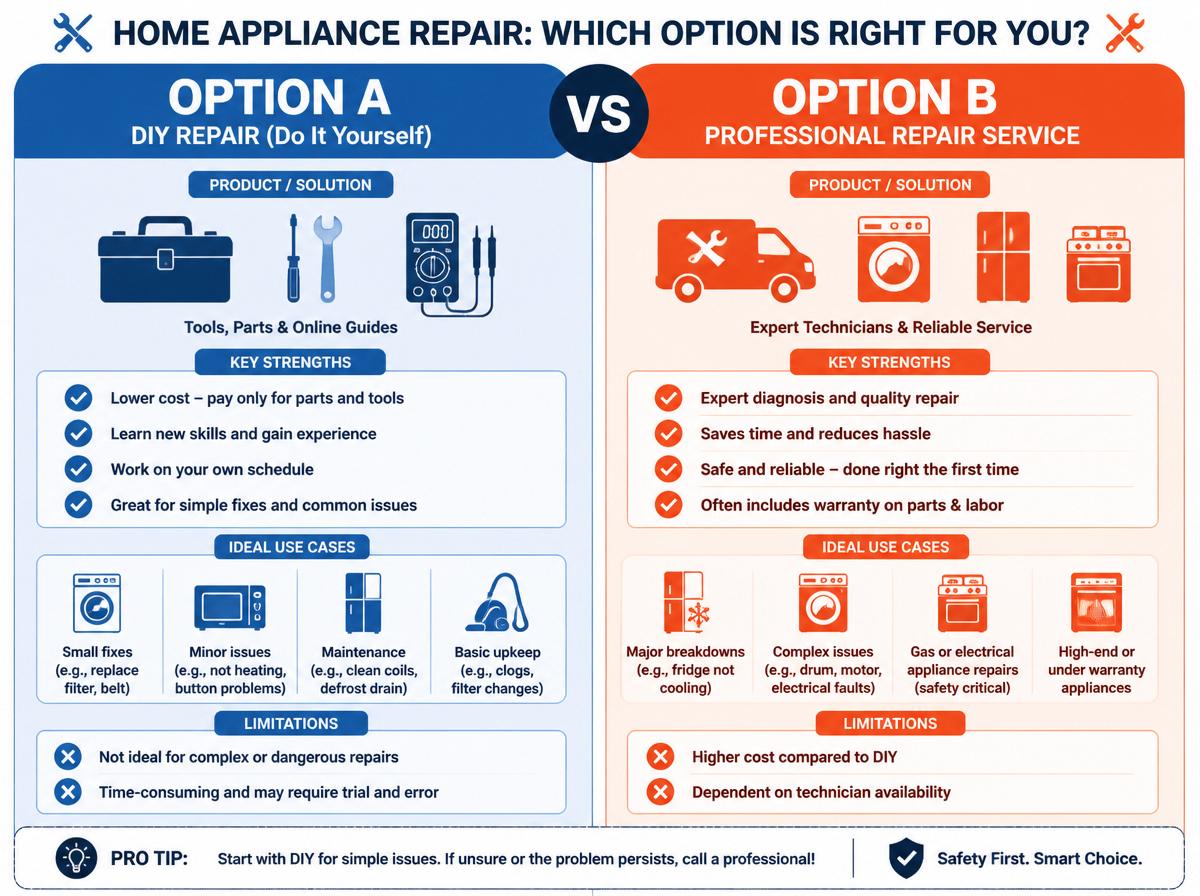
When assessing the viability of continuing to use an aging refrigerator, a thorough comparison of repair costs to replacement expenses is essential. This evaluation involves understanding various factors that influence repair costs, as well as gaining insight into the overall costs associated with purchasing a new unit. Additionally, considering the long-term financial implications and knowing when to opt for replacement can significantly impact the decision-making process.
Repair Cost Factors
Repair cost factors for refrigerators encompass several critical elements, including the age and condition of the unit, the severity of the malfunction, and the availability of replacement parts. Labor costs associated with professional repairs can vary significantly based on geographic location and technician expertise. The complexity of the refrigerator’s design also plays a role, as more sophisticated models may require specialized knowledge for effective repair. Warranty status may influence repair decisions, as units still under warranty might incur lower costs or even free repairs. Finally, the potential for future repairs should be considered, as frequent breakdowns can indicate a need for replacement rather than continued investment in repairs.
Replacement Cost Overview
Replacement costs for a refrigerator can vary significantly based on brand, model, and features. Generally, basic units may be available at a lower price point, while high-end models equipped with advanced technology can command premium prices. In addition to the initial purchase cost, consumers should consider potential delivery fees, installation charges, and removal of the old appliance. Warranties and extended service plans may also influence the total expenditure associated with a new refrigerator. Understanding these factors is crucial for making an informed decision on whether to repair or replace the appliance.
Long-term Financial Implications
Long-term financial implications play a crucial role in the decision to repair or replace a refrigerator. Owners should consider not only the immediate costs of repairs but also the potential impact on energy efficiency and utility bills. A newer model may offer significant cost savings over time due to improved energy standards and reduced repair frequencies. Additionally, the resale value of a home can be affected by the condition and age of kitchen appliances, including the refrigerator. Thus, a comprehensive evaluation of these factors is essential for informed decision-making regarding appliance management.
When to Choose Replacement
Determining when to choose replacement over repair involves analyzing the age of the refrigerator and its overall condition. If the appliance is beyond its expected lifespan, typically around 10 to 15 years, replacement may be the more prudent option. Additionally, frequent breakdowns and escalating repair costs can signal that investing in a new unit is more cost-effective in the long run. Energy efficiency improvements in newer models also contribute to potential savings on utility bills. Ultimately, a comprehensive assessment of these factors will guide consumers in making an informed decision.
Considering Warranty Coverage
When evaluating whether to repair or replace your refrigerator, it is essential to consider the implications of warranty coverage. Understanding the specific terms of your warranty can significantly influence your decision-making process. Additionally, being aware of any coverage limitations will provide clarity on potential out-of-pocket expenses.
Warranty Terms Explained
Warranty terms typically outline the specific components and repairs covered by the manufacturer for a designated period. It is crucial to differentiate between full warranty coverage and limited warranty conditions, as the latter may exclude certain parts or types of damage. Additionally, warranties often specify the process for filing a claim, including any required documentation or timelines. Understanding the duration of coverage can help consumers gauge the financial implications of potential repairs. Finally, consumers should also be aware of any transferable warranty options that may affect the value of the appliance if sold.
Coverage Limitations to Consider
Coverage limitations often include specific components that may not be covered under the warranty, such as wear-and-tear parts or certain electrical failures. Additionally, many warranties impose restrictions based on the duration of coverage, leaving some repairs unprotected after a specified time frame. It is also crucial to note that some manufacturers require professional service for repairs to remain eligible for warranty claims. Furthermore, exclusions may apply to damages caused by improper use or environmental factors, which can result in significant out-of-pocket costs. Understanding these limitations is vital for making an informed decision regarding repairs or replacement.
Examining Your Budget
Examining your budget is a critical step in deciding whether to repair or replace your refrigerator. By understanding your financial constraints, you can make informed choices that align with your long-term goals. This process involves several key considerations, including assessing repair costs, setting a repair limit, evaluating long-term expenses, and comparing replacement options.
Assessing Repair Costs
Assessing repair costs is fundamental in the decision-making process regarding refrigerator maintenance. A thorough evaluation of the estimated expenses associated with repairs will provide clarity on the viability of restoration versus replacement. It is essential to obtain multiple quotes from certified technicians to ensure an accurate understanding of potential expenses. Additionally, understanding the frequency and severity of past repairs can offer insight into future reliability. Ultimately, comparing repair costs against the price of a new unit will guide a financially sound decision.
Setting a Repair Limit
Setting a repair limit is essential to maintain financial prudence when considering refrigerator repairs. This threshold should reflect both the age of the appliance and its overall condition, as well as the cost of potential repairs. Establishing a maximum expenditure helps prevent overspending on an aging unit that may soon require further maintenance. Additionally, it allows for a more straightforward comparison with the cost of a new refrigerator. Ultimately, a defined repair limit aids in making a balanced decision that aligns with your budget and appliance needs.
Evaluating Long-Term Expenses
Evaluating long-term expenses is essential when determining the viability of repairing a refrigerator. This assessment should include potential energy costs, maintenance fees, and the lifespan of the appliance post-repair. Additionally, consider the impact of outdated technology on energy efficiency and utility bills. Comparing these long-term expenses with the costs associated with purchasing a new refrigerator can provide valuable insights. Ultimately, this analysis aids in making a financially sound decision regarding appliance repair or replacement.
Comparing Replacement Options
Comparing replacement options involves researching various refrigerator models that meet your needs and budget. It is essential to consider energy efficiency ratings, as this can impact long-term utility costs. Additionally, assessing warranty coverage and available features can influence your decision. Evaluating customer reviews and expert ratings can provide insight into the reliability and performance of different brands. Ultimately, making a well-informed choice requires balancing initial costs with potential savings over time.
Analyzing the Impact on Food Safety
The condition of your refrigerator plays a critical role in ensuring food safety and preventing foodborne illnesses. Analyzing the impact of any repairs or maintenance on its performance is essential for adhering to food temperature guidelines and mitigating spoilage risk factors. By addressing these aspects, you can make informed decisions that safeguard both your health and your budget.
Food Temperature Guidelines
Food temperature guidelines are crucial for maintaining the safety and quality of perishable items stored in a refrigerator. The FDA recommends that refrigerators be kept at or below 40°F (4°C) to inhibit bacterial growth. It is essential to monitor temperatures regularly, as fluctuations can compromise food safety. Proper organization within the refrigerator can also ensure that air circulation is optimal, contributing to consistent cooling. Adhering to these guidelines helps minimize the risk of foodborne illnesses and spoilage.
Spoilage Risk Factors
Spoilage risk factors in a refrigerator include temperature fluctuations, humidity levels, and the presence of bacteria. Improper temperatures can accelerate the growth of pathogens, leading to food spoilage and potential health hazards. High humidity can promote the growth of mold and mildew, further compromising food safety. Additionally, inadequate airflow within the appliance can create hotspots, exacerbating spoilage issues. Regular monitoring and maintenance are essential to mitigate these risks effectively.
Gathering Professional Opinions
Gathering professional opinions is essential for making informed decisions regarding refrigerator repairs. Engaging with experts in the field allows for a comprehensive assessment of the situation and potential solutions. By consulting various professionals, one can better evaluate the options available and their associated costs.
Consult with Repair Technicians
Consulting with repair technicians provides valuable insights into the specific issues affecting a refrigerator. These professionals possess the expertise to diagnose problems accurately and recommend appropriate repair strategies. Engaging multiple technicians can yield diverse perspectives and cost estimates, allowing for a more informed decision-making process. Technicians can also advise on the long-term viability of repairs compared to replacement options. Ultimately, their recommendations can significantly influence the course of action taken regarding refrigerator maintenance.
Get Multiple Estimates
Obtaining multiple estimates is crucial for understanding the financial implications of refrigerator repairs. Different repair technicians may offer varying prices and solutions based on their expertise and experience. This process enables consumers to compare costs and identify the most cost-effective options available. Additionally, gathering multiple estimates can reveal any inconsistencies in assessments, allowing for a more informed decision. Ultimately, this practice fosters transparency and encourages competitive pricing within the repair industry.
Assess Repair vs. Replace
Assessing whether to repair or replace a refrigerator involves weighing the costs of repair against the investment in a new unit. One must consider the age of the appliance, as older models may not justify extensive repairs. Evaluating the frequency and nature of past repairs can provide insight into the appliance’s reliability. Energy efficiency ratings of newer models can also influence the decision, as they may offer long-term savings. Ultimately, the choice should align with both financial considerations and the consumer’s long-term needs.
Making the Final Decision
After gathering insights from professionals, the next step involves making a well-informed final decision regarding the repair of your refrigerator. This process requires a careful examination of several critical factors that influence the overall viability of the repair. By taking into account repair costs, the appliance’s age, energy efficiency, and your specific usage needs, you can arrive at a decision that best suits your circumstances.
Assess Repair Costs
Assessing repair costs is a crucial step in determining the feasibility of fixing your refrigerator. It is essential to obtain detailed estimates from qualified technicians to understand the scope of necessary repairs. Comparing these costs against the price of a new appliance can provide valuable context for decision-making. Additionally, consider the long-term implications of repair expenses in relation to the refrigerator’s remaining lifespan. Ultimately, this analysis will guide you in making a financially sound choice regarding your appliance.
Evaluate Appliance Age
Evaluating the age of the refrigerator is essential in determining its repair viability. Generally, appliances have a lifespan ranging from 10 to 15 years, and their age can significantly impact repair decisions. A refrigerator nearing the end of its expected life may not warrant extensive repairs, as it may be less efficient and more prone to future issues. Additionally, older models often lack modern energy-saving technologies, which can increase long-term operational costs. Ultimately, assessing the appliance’s age helps inform whether investing in repairs aligns with future usage and efficiency goals.
Consider Energy Efficiency
Energy efficiency is a vital consideration when deciding whether to repair your refrigerator. An older model that consumes significantly more energy may lead to higher utility bills over time. Conversely, newer, more efficient models can provide substantial savings and a reduced environmental impact. Assessing the energy rating of your appliance can help determine if the repair is worthwhile compared to investing in a more efficient replacement. Ultimately, the long-term financial implications of energy consumption should heavily influence your decision-making process.
Analyze Usage Needs
Analyzing your usage needs is essential when determining whether to repair your refrigerator. Consider how often you utilize the appliance and the volume of food you typically store. Additionally, evaluate any special features that may be critical for your lifestyle, such as adjustable shelving or temperature control. Assessing these factors will help you understand the impact of a potential repair on your daily routine. Ultimately, aligning the refrigerator’s capabilities with your specific needs can guide your decision-making process effectively.
Frequently Asked Questions
What are the signs that my refrigerator may need repairs soon?
Identifying the signs that a refrigerator may require repairs is crucial for maintaining optimal functionality. Common indicators include unusual noises, such as grinding or buzzing, which may suggest mechanical issues. Additionally, inconsistent temperatures, where food either freezes or spoils despite the temperature setting being correct, can signal a malfunctioning thermostat or compressor. Finally, the presence of water pooling around the unit or excessive frost buildup can also denote underlying problems that warrant immediate attention.
How can i troubleshoot minor issues before deciding to repair my refrigerator?
To effectively troubleshoot minor issues with your refrigerator, it is essential to begin with a systematic assessment of its operational status. Start by checking the power supply, ensuring that the unit is plugged in and the outlet is functioning correctly. Next, examine the temperature settings and confirm that they are appropriately set for optimal performance. Lastly, inspect for any visible obstructions or buildup around the vents and coils, as these can impede airflow and contribute to cooling issues.
Are there specific brands or models known for their durability and fewer repair needs?
When considering the durability and reliability of refrigerators, certain brands and models consistently stand out in consumer reports and industry analyses. Brands such as Whirlpool, LG, and Bosch are frequently cited for their robust construction and lower incidence of repairs over time. Additionally, specific models within these brands often feature advanced technology that enhances efficiency and longevity, further reducing the need for maintenance. Ultimately, thorough research and consumer feedback can provide valuable insights into the best options for long-lasting performance in refrigeration.
Conclusion
In conclusion, determining the appropriate action for refrigerator repairs involves a comprehensive assessment of multiple factors, including age, condition, and signs of malfunction. A careful evaluation of repair costs against the potential benefits of replacement is essential for making an informed decision. The importance of energy efficiency cannot be overlooked, as it significantly impacts long-term operational costs and environmental considerations. Engaging with professionals for diagnostics and obtaining competitive estimates further enhances the decision-making process. Ultimately, a balanced approach that prioritizes functionality and financial prudence will yield the most favorable outcome regarding refrigerator maintenance or replacement.
If you’re looking to maintain your kitchen appliances in top condition, be sure to check out our guide on how to clean your Cuisinart coffee maker effectively. Keeping your coffee maker clean not only enhances the flavor of your brew but also extends the life of the machine. For detailed steps and helpful tips, visit this link.
Explore This Topic
- Back to Repair & Replacement
- Back to Repair & Replacement
Related guides in this cluster: