Common issues with whirlpool washing machine agitators
I’ve been using my Whirlpool washing machine for years, and I’ve come to appreciate its efficiency. However, I’ve also encountered a few common issues with the Whirlpool washing machine agitator that can be pretty frustrating. From unusual noises to ineffective cleaning results, these problems can really disrupt my laundry routine. I’ve learned that being aware of these issues can help me troubleshoot and maintain my machine better. In this article, I’ll share some insights into these common agitator challenges and how to address them.
Key Takeaways
Unusual noises during operation can indicate issues with the agitator, such as foreign objects or worn-out parts.
Insufficient agitation and cleaning results may stem from blocked components, incorrect load sizes, or worn-out agitator parts.
Causes of agitator malfunction include worn drive belts, broken gears, and jams, which require thorough inspection and repair.
Regular maintenance, including cleaning and leveling the machine, is essential for optimal performance and preventing operational issues.
Unusual Noises During Operation
I’ve noticed that unusual noises during operation can be quite concerning when using my whirlpool washing machine. It’s important to recognize that these sounds often indicate underlying issues that need attention. Let’s dive into the causes, identify the noise source, and explore some solutions and repairs.
Causes of Unusual Noises
I’ve heard grinding noises coming from my washing machine, which made me worried. Sometimes, it’s just a foreign object stuck in the agitator that’s causing the racket. I’ve also noticed that worn-out bearings can lead to a loud rumbling sound during the spin cycle. When the belt starts to wear down, it can create a high-pitched squeal that’s hard to ignore. I’ve learned to pay attention to these noises, as they usually signal a problem that needs fixing.
Identifying the Noise Source
I’ve been paying close attention to the noises my washing machine makes during its cycles. When it starts clanking, I know something’s off with the agitator. I usually check if there are any loose items stuck inside, as that often causes the sound. If I hear a grinding noise, I suspect there might be an issue with the motor or drive mechanism. Pinpointing the source helps me decide if I need a repair or just a simple fix.
Solutions and Repairs Guide
I’ve found that tightening loose screws and components can often resolve the noise issue. Sometimes, I need to replace worn-out agitator dogs to restore proper function. If the noise persists, I usually check the drive belt for any signs of wear or damage. I’ve had success by lubricating moving parts to reduce friction and noise. In some cases, calling a professional for a more thorough inspection is the best solution.
Ineffective Cleaning Results
I’ve noticed that my clothes aren’t coming out as clean as they should. It’s frustrating when the washing machine doesn’t perform its job effectively. There are a few common issues that could be causing these ineffective cleaning results.
Insufficient Agitation Speed
I’ve realized that my washing machine isn’t agitating fast enough. It’s disappointing to see stains still clinging to my clothes after a cycle. Sometimes, I can hear the motor straining, which worries me. I’ve tried adjusting the load, but it doesn’t seem to help. I really need to figure out what’s causing this slow agitation.
Blocked Agitator Components
I’ve found that blocked agitator components can really mess up the cleaning process. When I opened up my washing machine, I noticed some debris stuck around the agitator. It’s annoying because I expect my clothes to come out spotless every time. Sometimes, I think about how I should be more diligent with maintenance. I guess clearing those blockages might just solve my problem.
Incorrect Load Size
I’ve realized that my load size might be too big for the agitator to handle. When I stuff the washer full, it seems like the clothes just tumble around without getting properly cleaned. I often think I can fit more in, but it just leads to disappointment. Sometimes, I find that washing smaller loads yields much better results. I’ve learned that balance is key for effective washing.
Worn Out Agitator Parts
I’ve been thinking my agitator might have some worn-out parts. It doesn’t seem to move as much as it used to, and that worries me. When I notice the clothes aren’t getting agitated properly, I know something’s off. I can hear some strange noises coming from it too, which adds to my concerns. I really need to check if the agitator dogs or other components need replacing.
Agitator Not Moving Properly
I’ve noticed that the agitator isn’t moving properly, and it’s becoming a real concern. It’s frustrating when I’m trying to get my laundry done efficiently. I need to look into the causes of agitator malfunction and the troubleshooting steps I can take.
Causes of Agitator Malfunction
I think one common cause of agitator malfunction is a worn-out drive belt. Sometimes, it’s just a matter of a broken or stripped gear inside. I’ve also heard that a jam in the agitator can prevent it from moving properly. It might be due to an issue with the motor coupling too. I should definitely check for any loose or damaged parts.
Troubleshooting Steps to Take
I’ll start by checking the power supply to make sure the machine’s plugged in properly. Then, I’ll inspect the belt for any signs of wear or damage. I’ll also look at the load size to ensure I’m not overloading it. If that doesn’t work, I might need to remove the agitator to check for any blockages. Finally, I’ll consult the manual for any specific troubleshooting tips related to my model.
Excessive Vibration or Shaking
I’ve noticed that excessive vibration or shaking can be a real headache when using my Whirlpool washing machine. It’s frustrating when the machine feels like it’s about to take off during a spin cycle. Let’s dive into some common causes of this issue and how I can tackle it.
Causes of Excessive Vibration
I’ve realized that an unbalanced load can cause my washing machine to vibrate excessively. Sometimes, I forget to distribute the clothes evenly, and that makes a big difference. I’ve also found that worn-out shock absorbers can lead to more shaking than I’d like. It turns out that a faulty suspension system can be a culprit too, causing instability during the spin cycle. Lastly, if my machine isn’t level, it’ll definitely shake more than it should.
Solutions to Reduce Shaking
I’ve found that leveling the machine can make a huge difference in reducing shaking. Tightening the shock absorbers is another step I’ve taken to stabilize it. I also check the load size to ensure I’m not overloading the washer. Using anti-vibration pads underneath the machine has helped minimize the noise and movement. Lastly, I make sure the floor underneath is sturdy and can handle the vibrations.
Maintenance Tips for Stability
I always make sure to level my washing machine properly to avoid any unnecessary movement. Regularly checking the legs for stability has become part of my routine. I’ve found that keeping the load balanced helps a lot too. I also clean the drum and agitator to prevent any buildup that could cause issues. Finally, I inspect the shock absorbers every few months to ensure they’re in good condition.
Broken Agitator Dogs
When my washing machine started acting up, I quickly learned about broken agitator dogs. I realized that these small but crucial components can lead to a lot of frustrating symptoms. Now, let’s dive into the key points related to agitator failure and what I discovered along the way.
Symptoms of Agitator Failure
When my agitator started failing, I noticed my clothes weren’t getting clean like they used to. I could hear a weird grinding noise during the wash cycle, which was definitely a red flag. Sometimes, it felt like the agitator wasn’t moving at all, leaving my laundry soaked. I also saw that my clothes would come out tangled and twisted, which was really frustrating. It became clear to me that something was seriously wrong with the agitator.
Replacing Agitator Dogs
Replacing the agitator dogs was surprisingly straightforward for me. I gathered all the necessary tools and followed the steps in the manual. Once I removed the agitator, I could see how worn out the dogs were. After swapping them out, I reassembled everything and crossed my fingers. When I ran a test cycle, I was thrilled to see my machine working like new again.
Preventive Maintenance Tips
I always make sure to check my washing machine’s agitator regularly. I’ve found that keeping it clean helps prevent buildup that could lead to issues. I also like to avoid overloading the machine, as it can strain the agitator. I’ve noticed that using the right detergent type and amount can make a big difference too. Lastly, I remember to run a maintenance cycle occasionally to keep everything in good shape.
Cost of Repair Options
When I looked into repair options for my washing machine, I was surprised by the costs involved. I found that hiring a professional could be quite pricey, often ranging from $100 to $300. On the other hand, I discovered that doing it myself could save me a significant amount of money. However, I had to consider the cost of replacement parts, which can add up quickly. Overall, I realized that my repair options varied widely based on my willingness to tackle the issue myself or pay for expert help.
Worn Out Agitator Shaft
I’ve noticed that a worn-out agitator shaft can really affect how well my washing machine performs. It’s frustrating when the agitation isn’t as strong as it used to be, signaling that something might be wrong. Let’s dive into the signs of shaft wear and how to replace the agitator shaft.
Signs of Shaft Wear
I’ve started to hear unusual noises coming from my machine during the wash cycle. It feels like the agitator isn’t moving as freely as it should, which makes me worry. Sometimes, I notice that my clothes don’t come out as clean as they used to. I can also see that the agitator doesn’t seem to be spinning as vigorously as before. These signs really make me think it might be time to check the shaft for wear.
Replacing the Agitator Shaft
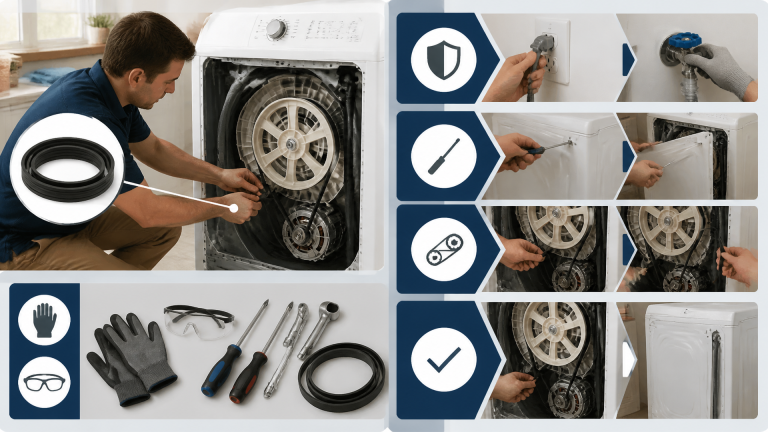
I’ve recently had to replace the agitator shaft in my washing machine. It wasn’t too complicated once I gathered the right tools. I first disconnected the power and water to avoid any accidents. After taking off the agitator, I could see the wear on the shaft clearly. Finally, installing the new shaft made a noticeable difference in the machine’s performance.
Clogs and Obstructions
I’ve often encountered clogs and obstructions that can hinder a washing machine’s performance. These issues can stem from various factors that I need to consider. Now, let’s dive into the common causes of clogs and how to clear obstructions effectively.
Common Causes of Clogs
I’ve noticed that lint buildup is a frequent culprit behind clogs in my washing machine. Sometimes, foreign objects like coins or buttons can get stuck in the agitator. I also find that detergent residue can accumulate over time, leading to blockages. Whenever I wash heavy items, I’ve seen how they can shift and create obstructions. It’s clear that I need to regularly check for these common causes to keep my machine running smoothly.
How to Clear Obstructions
When I notice my washing machine’s agitator isn’t working properly, I check for any visible obstructions first. I usually unplug the machine and carefully remove any debris I find. If that doesn’t do the trick, I sometimes disassemble the agitator to get a better look inside. After clearing everything out, I make sure to reassemble it correctly before testing it again. It’s always satisfying to see it working smoothly after I’ve cleared the blockage.
Leaking Water Issues
I’ve often dealt with leaking water issues in my whirlpool washing machine, and it can be quite frustrating. It’s essential to identify where the leaks are coming from and how to address them effectively. Let’s dive into some common leak sources, troubleshooting tips, and repair solutions.
Common Leak Sources
I’ve noticed that one common leak source in my washing machine is the door seal. Sometimes, it’s the hoses that start to wear out, causing water to drip. I’ve found that the pump can also leak if it gets clogged or damaged. Another area I check is the detergent dispenser, as it can overflow and cause leaks. Lastly, the tub itself can develop cracks, leading to unexpected water loss.
Troubleshooting Tips
I usually start by checking the water inlet hoses for any signs of wear or damage. If I find any cracks, I know it’s time to replace them. Next, I inspect the door seal to ensure it’s not worn out or obstructed. I’ve also learned to look at the drain pump to see if there’s any blockage. Often, a simple cleaning can resolve the issue before it gets worse.
Repair Solutions
I’ve found that replacing the door seal often solves the leaking issues. Sometimes, tightening loose hoses can make a big difference too. I’ve had success with replacing the water inlet valve when it starts to wear out. If the tub gasket is damaged, I’ve learned it’s best to replace it right away. Lastly, I’ve discovered that checking for cracks in the tub can save me from bigger problems down the line.
Error Codes and Troubleshooting
When I face issues with my Whirlpool washing machine, error codes often pop up as a warning sign. It’s crucial for me to understand what these codes mean to effectively address the problem. That’s why I always refer to a troubleshooting steps guide to get back on track.
Error Code Meanings
When I see an error code on my Whirlpool washing machine, I know it’s time to pay attention. I’ve learned that each code points to a specific issue that needs addressing. Sometimes, I’ll look up the meaning online to get a quick understanding. Other times, I check the manual to find more detailed explanations. It helps me feel more in control of the situation.
Troubleshooting Steps Guide
I usually start by unplugging my washing machine for a few minutes to reset it. After that, I check the lid switch to make sure it’s functioning properly. Then, I inspect the agitator for any blockages or damage that might be causing issues. I also look over the drive belt to ensure it’s intact and properly aligned. Finally, if everything seems fine, I run a diagnostic test to pinpoint the problem more accurately.
Conclusion
In summary, I’ve learned that common problems with Whirlpool washing machine agitators can lead to frustrating experiences if not addressed promptly. It’s clear that regular maintenance and being mindful of load sizes can significantly impact performance and cleaning effectiveness. I’ve found that keeping an eye on unusual noises, vibrations, and clogs can help catch issues before they become major headaches. Plus, understanding the signs of wear can guide me in making informed decisions about repairs or replacements. Ultimately, staying proactive about my washing machine’s condition will save me time and money in the long run.
If you’re looking to enhance your knowledge about Whirlpool appliances, I highly recommend checking out the article on Understanding Soak and Clean on Whirlpool Dishwashers. This resource provides valuable insights that can help you optimize your dishwasher’s performance and maintenance. Whether you own a Whirlpool dishwasher or are considering one, this information is essential for keeping your appliance running smoothly.
Explore This Topic
- Back to Repair & Replacement
- Back to Repair & Replacement
Related guides in this cluster: