Common Causes of a Washing Machine Spinner Not Working
Washing machines are essential appliances in modern households, providing convenience and efficiency in laundry tasks. However, when the spinner fails to operate correctly, it can lead to significant inconvenience and frustration. Understanding the common causes of a malfunctioning spinner is crucial for homeowners seeking to address the issue promptly. This article will explore various factors that may contribute to the spinner’s failure, along with insights on how to fix the spinner in a washing machine effectively. By identifying these potential problems, users can take proactive measures to restore their appliance’s functionality and ensure optimal performance.
Blocked Drainage System
A blocked drainage system is a prevalent issue that can impede the functionality of a washing machine spinner. Over time, debris such as lint, fabric fibers, and dirt can accumulate within the drainage hose and pump. This obstruction prevents water from flowing freely, leading to ineffective spinning cycles. A clogged filter can also contribute to drainage problems, as it traps various particles that hinder proper operation. It is essential to regularly inspect and clean the drainage components to maintain optimal performance. In some cases, foreign objects may inadvertently slip into the drainage system, exacerbating the blockage. If the drainage system remains unaddressed, it can lead to water pooling inside the drum, causing further complications. Manufacturers often recommend scheduled maintenance to prevent such issues. Prompt attention to a blocked drainage system is crucial in ensuring the longevity and efficiency of the washing machine.
Overloading the Machine
Overloading the washing machine is a prevalent issue that can lead to the spinner not functioning effectively. When the drum is filled beyond its capacity, the balance of the load is disrupted, causing strain on the spinner mechanism. This imbalance can result in excessive vibrations, which may trigger the machine’s safety features, preventing the spinner from activating. Additionally, an overloaded machine may not allow clothes to move freely, inhibiting proper spinning action. As a consequence, water may not be effectively extracted from the laundry, leaving items damp post-cycle. Manufacturers typically provide load capacity guidelines that should be adhered to for optimal performance. In many cases, users may underestimate the weight of wet fabrics, especially those made from heavy materials. Regularly overloading the machine can lead to long-term damage, reducing the lifespan of the appliance. To ensure efficient operation, it is crucial to load the machine according to the specified limits.
Faulty Lid Switch
A faulty lid switch can significantly impede the operation of a washing machine spinner. This component is designed to ensure that the lid is securely closed before the machine engages in a spin cycle. When the lid switch malfunctions, it may incorrectly signal that the lid is open, preventing the spinner from functioning. Signs of a defective lid switch include the inability of the machine to enter the spin cycle or the spinner stopping abruptly. Testing the lid switch typically involves using a multimeter to check for continuity. If the switch is found to be defective, it will require replacement to restore proper function. In some cases, the issue may stem from misalignment or debris lodged in the switch assembly. Regular maintenance and inspection of the lid switch can help prevent this issue from arising. Addressing a faulty lid switch promptly is essential for ensuring optimal washing machine performance.
Worn or Damaged Drive Belt
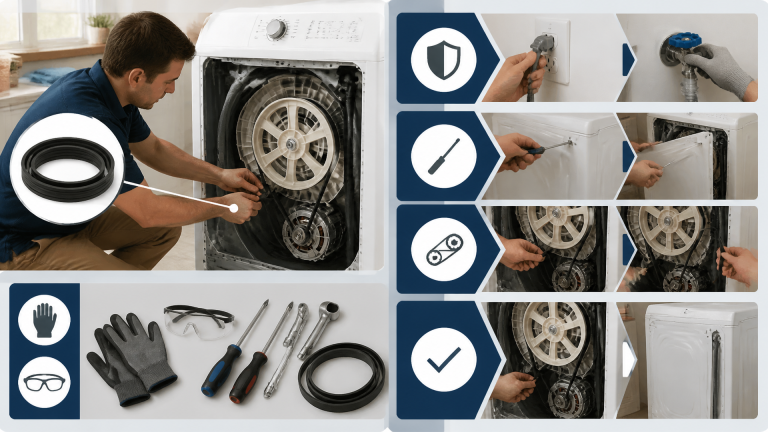
A worn or damaged drive belt is a prevalent issue that can lead to a washing machine spinner malfunction. This component is crucial for transferring power from the motor to the spin basket. Over time, belts may wear down, fray, or develop cracks, compromising their effectiveness. Signs of a failing drive belt include unusual noises during the spin cycle or a complete failure to spin. Regular maintenance and inspection can help identify potential wear before it leads to operational issues. Replacing a worn drive belt typically requires disassembling parts of the washing machine, which may necessitate professional assistance. Ensuring the correct belt type and size is essential for optimal performance. In some cases, improper installation of a new belt can lead to further complications. Addressing drive belt issues promptly can prevent more significant damage to the washing machine’s motor and other components.
Malfunctioning Motor Coupling
A malfunctioning motor coupling can significantly hinder the operation of a washing machine spinner. This component serves as a critical link between the motor and the transmission, facilitating the transfer of power essential for spinning. When the motor coupling wears out or becomes damaged, it may lead to the spinner failing to engage effectively. Symptoms of a faulty motor coupling often include unusual noises emitted during cycles or an inability to spin altogether.
The coupling is typically constructed from plastic or rubber, making it susceptible to wear over time, especially with heavy usage. In many cases, users may notice that the washing machine agitates but does not spin, indicating a potential issue with this component. Inspecting the motor coupling involves disassembling the washer to access the motor and transmission, which can be a complex task. Replacement of the motor coupling is generally straightforward but requires careful handling to avoid further damage. Ultimately, addressing a malfunctioning motor coupling is essential for restoring optimal functionality to the washing machine.
Broken Suspension Springs
Broken suspension springs can significantly impact the performance of a washing machine’s spinner. These springs are crucial for stabilizing the drum during the spinning cycle. When they are damaged or worn, the drum may become unbalanced, leading to excessive vibrations. This unbalance can prevent the spinner from reaching its optimal speed, resulting in inefficient drying of clothes. In some cases, the washing machine may even stop spinning altogether as a safety measure. Regular inspection of these components is essential to identify signs of wear or damage. Replacing broken suspension springs can restore the machine’s functionality and improve its overall efficiency. Consumers should consult a professional technician for an accurate diagnosis and repair. Proper maintenance can prolong the lifespan of the washing machine and ensure effective operation.
Clogged Pump
A clogged pump is a prevalent issue that can hinder the proper functioning of a washing machine spinner. When the pump becomes obstructed, water may fail to drain effectively, leading to excess moisture in the drum. This excessive moisture can prevent the spinner from achieving the necessary speed for effective drying. Additionally, a clogged pump can cause the machine to become unbalanced, further complicating the spinning process. Detritus such as lint, coins, or small fabric items often contribute to this clogging. Regular maintenance and inspection of the pump can help prevent this issue from arising. Signs of a clogged pump include unusual noises during the spin cycle and water pooling at the bottom of the drum. In some cases, the clogged pump may cause the machine to display error codes related to drainage problems. Addressing a clogged pump promptly is essential for restoring the washing machine’s full functionality.
Defective Control Board
A defective control board can significantly impede the functionality of a washing machine’s spinner. This component acts as the central processing unit, coordinating various functions of the appliance. When the control board malfunctions, it may fail to send the necessary signals to the motor, preventing it from engaging. Symptoms of a defective control board often include erratic spinning patterns or complete failure to spin. Diagnosing this issue typically requires specialized equipment to test the board’s electrical components. Replacement of the control board is often necessary if testing indicates failure. In some cases, corrosion or physical damage may be visible on the board itself, hinting at the underlying cause. It is advisable to seek professional assistance for repairs to ensure proper installation of a new control board. Regular maintenance may help prevent the occurrence of control board issues in the future.
Improper Leveling of the Washer
Improper leveling of the washer can significantly hinder the performance of the spin cycle. Washers that are not level may experience excessive vibration during operation, leading to ineffective spinning. This imbalance can cause the machine to shut down the spin cycle as a safety precaution. Additionally, an unlevel washer can result in uneven wear on internal components, potentially leading to mechanical failures over time. The feet of the washer must be adjusted to ensure all four corners are firmly on the ground. Homeowners should regularly check the level of their machines, especially after moving or relocating them. A simple bubble level tool can be invaluable in achieving proper leveling. Addressing this issue promptly can enhance the efficiency and longevity of the appliance. Ultimately, a properly leveled washing machine ensures optimal performance during the spin cycle.
Excessive Vibration and Movement
Excessive vibration and movement in a washing machine can significantly hinder the spinner’s functionality. This issue is often exacerbated by an imbalanced load, which causes the drum to wobble uncontrollably during the spin cycle. Additionally, worn or damaged shock absorbers may fail to adequately dampen the vibrations, leading to further operational issues. A poorly installed or malfunctioning suspension system can also contribute to excessive movement, compromising the machine’s stability.
Furthermore, the presence of uneven flooring may cause the washing machine to rock during operation, affecting the spinner’s performance. Regular maintenance, including checking for loose components, can mitigate these vibrations. Moreover, the use of appropriate load sizes is essential in maintaining balance during spinning. Users should ensure that the washing machine is correctly leveled to minimize movement. Lastly, addressing these concerns promptly can prolong the lifespan of the appliance and ensure efficient operation.
Frequently Asked Questions
How can i determine if my washing machine is under warranty for repairs?
To determine if your washing machine is under warranty for repairs, you should first locate the original purchase receipt or invoice, as this document typically contains crucial information regarding the warranty period. Most manufacturers offer a limited warranty that lasts for a specific duration, often ranging from one to five years, depending on the model and brand. Additionally, you can check the manufacturer’s website or contact their customer service department for warranty details specific to your washing machine. It is also advisable to review any warranty terms and conditions provided at the time of purchase, as they outline coverage for parts and labor. If you registered your appliance with the manufacturer, they may have a record of your warranty status on file. Finally, ensure you have the model and serial number of the washing machine on hand, as this information may be required to verify warranty eligibility.
What are some signs that my washing machine may need a professional inspection?
Identifying signs that a washing machine may require a professional inspection is crucial to maintaining its functionality and longevity. One prominent indicator is persistent unusual noises, such as grinding or banging, which may suggest internal mechanical issues. Additionally, if the appliance fails to complete its cycles or exhibits erratic behavior, this could signal a malfunctioning component that warrants expert evaluation. Water leaks around the machine or excessive vibration during operation are further signs that professional attention may be necessary to prevent potential damage to the appliance or surrounding areas. Furthermore, if the washing machine consistently struggles to agitate or spin clothes effectively, it may indicate underlying problems that should be addressed by a technician. Lastly, persistent error codes or warning lights on the control panel can also serve as a signal that the machine is experiencing issues that require specialized knowledge for resolution.
Are there specific maintenance tips to prevent spinner issues in the future?
To maintain optimal performance of your washing machine’s spinner and prevent potential issues, regular maintenance is essential. First, it is advisable to periodically check and clean the drain filter, as clogs can impede drainage and affect the spinning cycle. Additionally, ensuring that the machine is level can prevent undue stress on internal components, which often leads to malfunction. Regularly inspecting the drive belt for wear and tear will also help to identify potential problems before they escalate. Furthermore, utilizing the appropriate wash settings for different load types can reduce strain on the spinner mechanism. Lastly, consider scheduling professional inspections annually to address any underlying issues and ensure the longevity of your appliance.
Conclusion
In conclusion, understanding the various factors that contribute to a washing machine spinner’s failure is essential for effective troubleshooting and maintenance. Addressing issues such as blocked drainage systems, overloading, and faulty components can greatly enhance the machine’s performance and longevity. Regular inspections and adherence to manufacturer guidelines play a crucial role in preventing operational disruptions. Additionally, timely identification of mechanical problems can mitigate further damage and ensure optimal functionality. Therefore, implementing proactive maintenance strategies is imperative for sustaining the efficiency of washing machines.
If you’re looking to enhance your appliance maintenance skills, I highly recommend visiting this informative page on the “Step-by-Step Guide to Replace Frigidaire Water Filter FPPWFU01.” It provides clear instructions that can help you ensure your appliance operates efficiently. Check it out here: Step-by-Step Guide to Replace Frigidaire Water Filter FPPWFU01.
Explore This Topic
- Back to Repair & Replacement
- Back to Repair & Replacement
Related guides in this cluster: