
Overcoming Common Problems With GE Appliances: Practical Solutions
Overcoming common problems with GE appliances can be easier than it seems. For fridges, check the temperature and seals. Dishwashers may need cleaner and unclogged spray arms. Washing machines often have blockages in hoses. If your oven heats unevenly, verify it’s properly calibrated. Loud appliances? They might just need a little TLC! Microwaves often fail due to blocked vents. Keep your dryer lint-free for better performance. Stick around, and you’ll uncover more handy tips for appliance care!
Key Takeaways
- Regularly check temperature settings on your refrigerator and freezer to ensure optimal cooling performance.
- Inspect ice maker components for jams or clogs, and ensure the water supply is turned on.
- Clean dishwasher filters and check spray arms for blockages to improve cleaning efficiency.
- For ovens, use a thermometer to check calibration and avoid overcrowding for consistent heating.
- Maintain dryer efficiency by regularly cleaning the lint filter and avoiding overloading during cycles.
Troubleshooting Refrigerator Cooling Issues
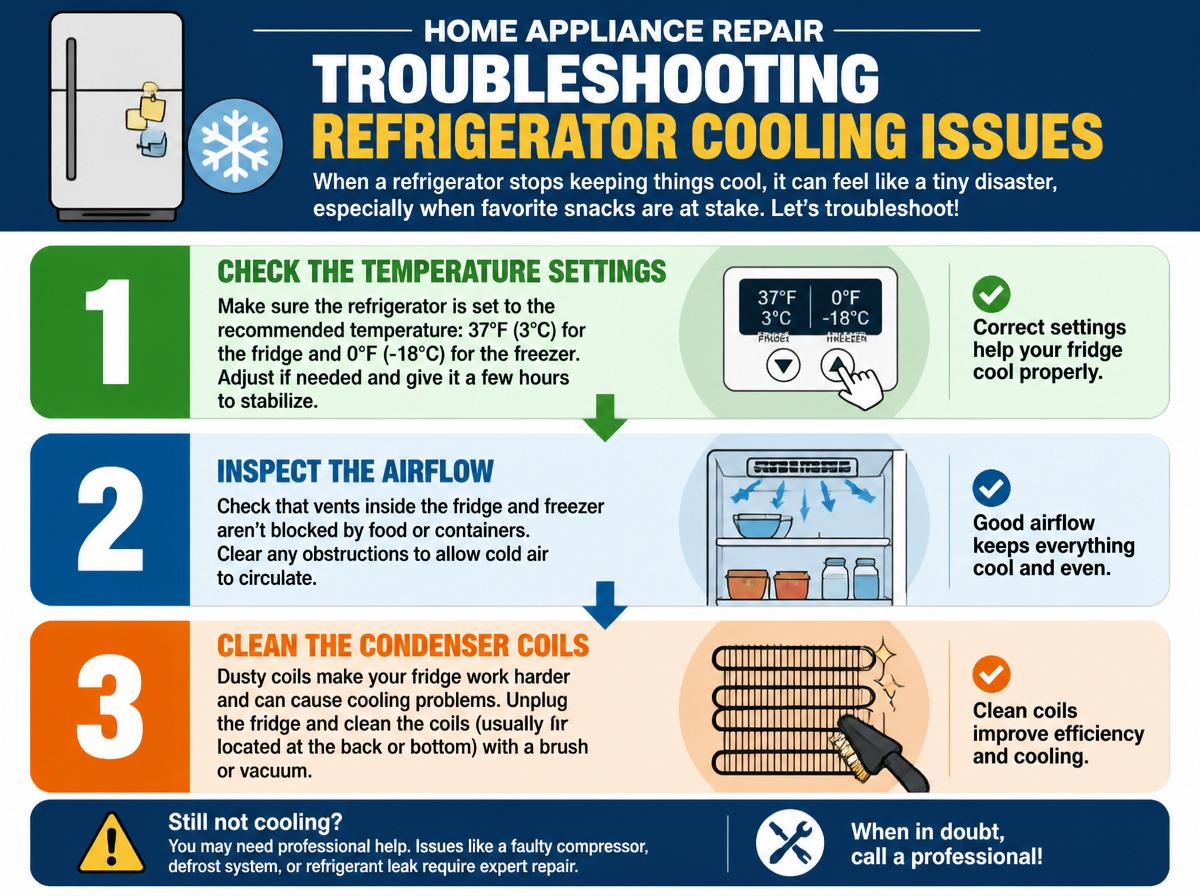
When a refrigerator stops keeping things cool, it can feel like a tiny disaster, especially when favorite snacks are at stake. First, check those temperature settings; they should ideally be around 37°F for the fridge and 0°F for the freezer. Sometimes, the dials may get accidentally nudged during a cleaning spree or a snack raid!
Next, consider airflow issues. If items are blocking the vents inside, cool air can’t circulate properly. Encourage your family to leave a little space between food containers. It’s like giving your fridge room to breathe!
Also, remember to check the door seals. If they’re damaged, warm air sneaks in, making the fridge work extra hard.
Taking these simple steps can help your refrigerator regain its cool! And with a little patience, those favorite snacks will be safe and chilled in no time.
Resolving Dishwasher Cleaning Problems
Dishwashers are one of the great inventions of modern kitchens, saving countless hours in washing up. However, sometimes they may leave dishes less than sparkling. When this happens, it’s crucial to tackle these cleaning problems head-on with proper dishwasher maintenance.
To help achieve spotless dishes, consider these three steps:
- Check the Spray Arms: Verify nothing is blocking the spray arms, as they need to spin freely for an effective cleaning cycle.
- Use the Right Detergent: Make certain to use a quality detergent that fits your machine’s needs; not all detergents are created equal!
- Run a Cleaning Cycle: Regularly run a cleaning cycle with a dishwasher cleaner to remove build-up and keep your appliance in top shape.
Fixing Washing Machine Drainage Issues
Although washing machines are designed to make laundry days easier, sometimes they can run into problems, especially with drainage. Clogged hoses and pump malfunctions can leave clothes soaked and damp, creating a laundry nightmare. Fortunately, there are practical solutions to tackle these issues.
| Problem | Solution |
|---|---|
| Clogged Hoses | Detach, clean, or replace them. |
| Pump Malfunction | Check for blockages, replace pump if needed. |
Start by inspecting the hoses for kinks or obstructions—cleaning or replacing them can do wonders. If that doesn’t fix the issue, the pump might need a closer look. Verify there are no clogs and, if necessary, be prepared to replace it. With these tips, fixing drainage problems can be simple and manageable, making laundry days pleasant again. Remember, every appliance has its quirks, but you’ve got this!
Addressing Oven Heating Inconsistencies
Oven heating inconsistencies can be frustrating, especially when a perfectly baked meal turns into a charred disaster. A few common culprits are to blame, and luckily, they’re often easy to solve. Here are three practical steps to address these pesky temperature fluctuations:
- Check Oven Calibration: Sometimes, the oven just needs a little tune-up. Testing with an oven thermometer can show if it’s hot enough or too hot.
- Avoid Overcrowding: Placing too many items inside can block heat circulation. Make space for yummy goodness to bake evenly.
- Keep the Door Closed: Standing in front of the oven with the door open lets out heat! Peek quickly to keep the internal temperature steady.
Dealing With Loud or Noisy Appliances
Every home has those appliances that work hard day in and day out, but sometimes they can be a little too vocal about their efforts! A noisy refrigerator can disrupt a peaceful evening, while a loud dishwasher may steal the spotlight during family dinners. First, check for loose parts; tightening screws or adjusting feet can often reduce noise considerably. Next, verify the refrigerator is level—that pesky rumble might just be a wobble! For dishwashers, make sure that dishes aren’t touching each other to avoid rattling sounds. Cleaning the filter can also help minimize noise levels. If sounds persist, consider reaching out to GE’s customer service for expert advice. Remember, appliances deserve love, too! A bit of attention can help turn those noisy nuisances into harmonious helpers. By addressing these issues, anyone can enjoy a more peaceful home.
Repairing Microwave Performance Problems
When a microwave isn’t working right, it can be frustrating, especially when dinner is on the line! Common issues can include uneven heating, strange noises, or even complete silence. Fortunately, with some simple troubleshooting techniques and regular maintenance tips, anyone can bring their microwave back to life, making mealtime a breeze again!
Common Microwave Issues
Even though microwaves are known for their convenience, they can sometimes run into pesky problems that leave users scratching their heads. Common microwave issues can be frustrating, but many can be solved with a little know-how. Here are three typical problems and solutions:
- A stuck microwave plate: Often, food debris collects and keeps the plate from turning properly. Cleaning it can revive its function!
- Weak heating: A clogged microwave filter reduces efficiency, so remember to check and replace it if needed.
- Unusual noises: Noises might mean something is loose inside. Inspect the components, and tighten any loose screws.
With some basic care and quick fixes, anyone can keep their microwave running smoothly!
Troubleshooting Techniques
How can one turn a microwave meltdown into a minor miracle? With the right appliance diagnostics and repair techniques, anyone can troubleshoot common cooking conundrums. First, a quick check of the power supply can often reveal issues. Next, evaluating the door latch is essential, as a faulty latch can prevent microwave operation.
| Problem | Solution |
|---|---|
| Microwave won’t start | Check power and door latch |
| Food is not heating | Clean the microwave and check settings |
| Strange noises | Inspect the turntable and roller guide |
| Faulty display | Reset the microwave by unplugging |
Maintenance Tips
To keep a microwave running smoothly and efficiently, regular maintenance is key. Following simple routine checks can guarantee its performance stays strong. Here are some easy tips for appliance cleaning and care:
- Wipe down the interior: Use a damp cloth to remove spills and splatters. A clean microwave is a happy microwave!
- Check the door seal: Look for any cracks or debris. A secure seal helps cook food evenly.
- Inspect the vents: Confirm they are clear of dust and blockages. This helps the microwave ventilate properly and prevents overheating.
Solutions for Ice Maker Malfunctions
Ice makers can sometimes throw a fit, refusing to produce those chilly cubes we all love. Thankfully, there are some common issues and quick fixes that can help get the ice flowing again without a lot of hassle. With a few simple tips and a little patience, anyone can troubleshoot these icy predicaments and enjoy rejuvenating drinks once more!
Common Ice Maker Issues
Have you ever wondered why your ice maker suddenly stops working? It can be frustrating, but common ice maker issues often stem from simple problems. By understanding some basic ice maker troubleshooting tips, one can quickly identify the source of the trouble. Here are three common problems:
- Clogged Water Line: Check for ice buildup that may block water flow.
- Faulty Ice Maker Unit: Confirm the unit is powered and properly connected.
- Temperature Settings: Verify the freezer is cold enough to freeze water into ice.
Regular ice maker maintenance is essential to keep the machine running smoothly. With these insights, anyone can feel empowered to address these annoying hiccups and enjoy endless ice for their drinks!
Quick Fixes and Tips
Many homeowners may find themselves frustrated when their ice maker refuses to cooperate. Fortunately, quick repairs and proper appliance care can often solve these issues with ease. Here are some straightforward tips to get that ice flowing again:
| Issue | Possible Cause | Quick Fix |
|---|---|---|
| No ice production | Water supply off | Check the shutoff valve |
| Ice is too thin | Freezer too warm | Set to a lower temperature |
| Ice cubes stuck | Ice maker jammed | Manually clear the jam |
| Dispenser not working | Blocked chute | Clear any obstructions |
| Ice production slow | Filter clogged | Replace the water filter |
Enhancing Dryer Efficiency and Performance
When it comes to enhancing dryer efficiency and performance, taking a few simple steps can make a world of difference. Keeping your dryer running smoothly not only saves time but also energy, which is great for your wallet! Here are three easy tips to follow:
- Clean the dryer lint filter regularly. This small task helps improve airflow, drying clothes faster.
- Adjust heat settings according to the fabric type. Using the right setting guarantees clothes dry effectively without wasting energy.
- Don’t overload your dryer! A full load might sound tempting, but it can actually prolong drying time and wear out your appliance.
Frequently Asked Questions
How Can I Extend the Lifespan of My GE Appliances?
To extend the lifespan of GE appliances, one should guarantee energy efficiency through regular maintenance and proper installation. Keeping components clean and following manufacturer guidelines also contributes to their longevity and peak performance.
What Warranty Options Are Available for GE Appliances?
GE appliances offer various warranty options, typically including one to five years of warranty coverage. Appliance support services may also extend coverage through purchase, providing consumers with additional protection for their household appliances beyond the standard warranty.
How Do I Find GE Appliance Service Centers Near Me?
To locate GE appliance service center locations, one can consult appliance repair directories online. These resources serve as compasses, guiding users through a landscape of nearby services that specialize in efficient appliance repairs.
Are There Any Specific Maintenance Tips for GE Appliances?
Regular maintenance schedules for GE appliances should include cleaning filters, checking seals, and inspecting parts. Addressing common issues early can prevent larger problems, ensuring peak performance and extending the lifespan of the appliances.
Where Do I Access GE Appliance User Manuals Online?
To access GE appliance user manuals, individuals can visit the official GE Appliances website. There, they will find a dedicated section for online resources, providing detailed user manuals for various models and appliances.
Conclusion
By understanding and tackling common appliance challenges, anyone can become a champion in their home! With a little patience and these practical solutions, every malfunction turns into a mere bump in the road. Remember, you’re not alone in this journey—many others have traveled it too! So, whether it’s your fridge’s frosty woes or your oven’s hot temper, take a deep breath, roll up your sleeves, and plunge into it. You’ve got this!
Explore This Topic
- Back to GE appliances
- Back to appliance repairs
Related guides in this cluster: