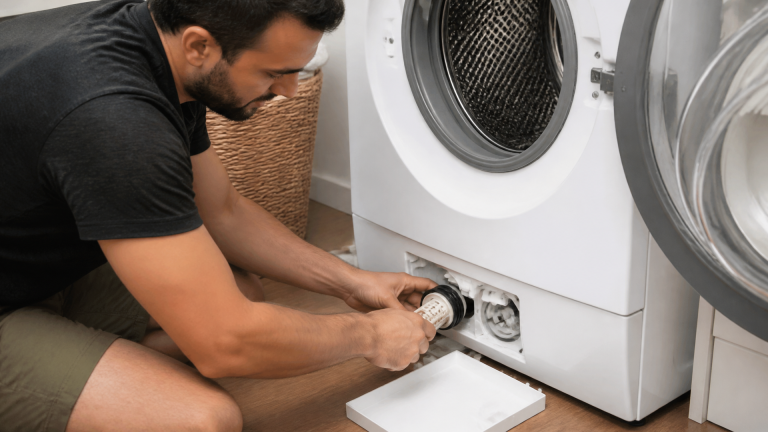
Troubleshooting Common Appliance Thermal Fuse Problems
Troubleshooting thermal fuse problems is essential for safe appliance use. If an appliance won’t turn on or smells odd, the thermal fuse might be blown. To check, unplug it and use a multimeter to test for continuity. If there’s no beep, replacing the fuse could fix the issue. Keeping appliances clean and maintaining them can help prevent future problems. Remember, a little upkeep can go a long way, so stick around for more tips to keep your appliances running smoothly!
Key Takeaways
- Check for signs of a blown thermal fuse, like appliance failure to turn on or unusual smells.
- Use a multimeter to test the thermal fuse for continuity; no reading indicates it needs replacement.
- Locate the thermal fuse in the appliance, referencing diagrams for specific positions like dryers or dishwashers.
- Prevent overheating by regularly cleaning lint and debris, particularly in dryers, and scheduling maintenance checks.
- Educate users on proper appliance operation and monitor temperatures to avoid frequent thermal fuse issues.
Understanding Thermal Fuses and Their Function
Thermal fuses play an essential role in keeping appliances safe and sound, acting like tiny guardians against overheating. Understanding thermal fuse basics is important for anyone who wants to keep their appliances in top shape. These small devices are designed to cut power when they detect excessive heat, preventing potential fires or damage. Their main job is to spot danger and stop it in its tracks, which is pretty cool!
The fuse functionality is straightforward. If an appliance gets too hot, the thermal fuse melts, breaking the circuit. This means the appliance shuts down, which is a great safety net! Knowing how these fuses work can help in troubleshooting the issues that might arise. Think of it like the superhero of your kitchen gadgets, jumping into action when things get too heated! So, if you ever run into problems, remember these fuses are here for a reason. Stay safe and keep cooking!
Signs of a Blown Thermal Fuse
When an appliance stops working suddenly, it might be a sign that the thermal fuse has blown. Common symptoms include a machine that won’t turn on at all, strange smells, or overheating. Understanding these warning signs can help anyone take the right steps to diagnose the problem and restore their appliance, keeping frustration at bay!
Common Symptoms Observed
Appliance troubles can be quite a headache, especially when a thermal fuse has blown. Common symptoms of this issue can vary widely. Often, an appliance simply refuses to turn on, causing frustration and confusion. Strange noises or an unusual smell may also signal a thermal fuse problem, presenting potential safety hazards. If an appliance is overheating or tripping the circuit breaker, it’s likely suffering from a malfunction. Additionally, if clothes remain damp in a dryer or dishes fail to dry in a dishwasher, the fuse could be at fault. Recognizing these signs early helps avoid further damage. Remember, it’s always wise to check a thermal fuse if something feels off; tackle the issue confidently and regain control over your appliance!
Diagnostic Testing Methods
How can anyone tell if a thermal fuse has blown? Start by using voltage testing, which checks if there’s any electricity flowing through the fuse. If there’s no voltage, it might be time to investigate further. Next, perform a continuity check. This step helps determine if electricity can pass through the fuse. Simply use a multimeter—if it doesn’t beep or show a reading, congratulations! You’ve probably found your problem. It can feel a bit tricky, but remember, everyone starts somewhere. If these tests confirm the fuse is blown, don’t worry! Replacing it is a straightforward fix, and soon your appliance will be back in action. Keep at it, and don’t hesitate to ask for help if needed!
Common Appliances Affected by Thermal Fuse Failures
Many households depend on various appliances for their daily routines, but thermal fuse failures can suddenly interrupt this convenience. These tiny but mighty fuses play a significant role in protecting appliances from overheating and other issues. When thermal fuses fail, certain appliances become less reliable, leading to unexpected frustrations.
Common appliances affected by thermal fuse problems include:
- Dryers: They may stop working due to dryers overheating, which can prevent laundry from getting dry.
- Microwaves: These can experience malfunctions, making it tricky to heat up food when you’re in a hurry.
- Washing Machines: They can also struggle, leaving users with wet clothes and no way to proceed.
Recognizing these common appliances is the first step toward troubleshooting. Remember, you can tackle thermal fuse issues with patience, a few tools, and a little bit of knowledge! You’re closer to resolving the problem than you think!
Identifying the Location of the Thermal Fuse
When tackling the mystery of thermal fuse issues, knowing where to look is half the battle! Every appliance has specific thermal fuse locations, but they can often be tricky to find. For example, in dryers, the fuse might be hiding behind the back panel or near the heating element. Dishwashers typically have their thermal fuse tucked away near the control panel.
Finding the right spot can feel like a scavenger hunt; however, appliance diagrams can be a huge help! They provide clear visuals, guiding a person directly to the thermal fuse. So, don’t be discouraged if you don’t spot it right away—every puzzle has a solution! Once located, you can move on to the next steps in troubleshooting. Remember, you’re capable of tackling this challenge, so roll up your sleeves and get ready to dig in!
Steps to Test a Thermal Fuse
Before diving into testing a thermal fuse, it is essential to remember that this small component plays a big role in keeping appliances safe. Understanding the right steps can make the process easier and more effective. Here’s how to test it with some basic testing equipment:
- Turn off the power: Always verify the appliance is unplugged to prevent any shocks.
- Use a multimeter: This equipment can measure the thermal fuse types. Place the probes on each end of the fuse.
- Check for continuity: A beep or reading indicates a good fuse. If there’s no sound, it’s likely blown.
Taking the time to test the thermal fuse can save you from larger appliance troubles later. Remember, understanding these components helps keep your home safe. You’re on the right track—it’s all about learning! Keep going, and you’ll master it in no time!
Replacing a Blown Thermal Fuse
Replacing a blown thermal fuse is a straightforward task that anyone can tackle with a little guidance and the right tools. To start, gather essential thermal fuse materials, including the new fuse, a screwdriver, and possibly wire strippers. First, unplug the appliance to guarantee safety—no one wants surprises when working with electricity!
Next, locate the blown thermal fuse, often found near the heating element. Use your screwdriver to gently remove any covers. Afterward, disconnect the old fuse, paying attention to how it’s wired.
Installation techniques are simple: connect the new fuse in the same manner, guaranteeing snug fits. Once everything is back together, plug the appliance in and test it out. If it works, congratulations! You’ve just saved some cash and feel proud. Remember, DIY tasks like these can be fun and rewarding, turning a frustrating problem into a great learning experience.
Preventive Measures to Avoid Future Thermal Fuse Issues
To keep appliances running smoothly and avoid the hassle of replacing thermal fuses repeatedly, it is essential to take some preventive measures. Simple actions can make a big difference, allowing users to feel empowered and in control. Here are some key tips:
- Regular preventive maintenance: Schedule consistent checks for lint and debris build-up in appliances like dryers and ovens. A clean appliance is a happy appliance!
- User education: Understanding how appliances work helps prevent overheating and other issues. Knowing the proper usage can avoid unnecessary strain.
- Temperature monitoring: Using thermometers or keeping an eye on heat levels during operation can help detect problems before they escalate.
Frequently Asked Questions
Can a Thermal Fuse Be Reset After Tripping?
A thermal fuse cannot be reset after tripping; it must be replaced. Users should explore thermal fuse options to guarantee proper functioning, as this component protects appliances from overheating and potential damage.
What Causes Thermal Fuses to Fail Prematurely?
Premature thermal fuse failure can arise from inadequate thermal fuse materials or appliance design flaws that result in overheating. Such issues compromise the fuse’s functionality, leading to early burnout and necessitating replacement for safe operation.
Are Thermal Fuses the Same as Circuit Breakers?
Thermal fuses differ from circuit breakers in function; while 75% of appliances use thermal fuses for safety, breakers reset. Understanding thermal fuse vs breaker is essential for adhering to appliance safety standards.
How Long Do Thermal Fuses Typically Last?
Thermal fuses typically last several years, depending on usage and environmental factors. Signs of necessary fuse replacement include consistent appliance malfunctions or overheating, indicating that the thermal fuse’s lifespan may be nearing its end.
Is It Safe to Bypass a Thermal Fuse?
Bypassing a thermal fuse resembles ignoring a smoke alarm—it can lead to disastrous consequences. Thermal fuse safety is paramount, and the risks of fuse bypass often outweigh any temporary gain, potentially endangering lives and property.
Conclusion
To summarize, understanding thermal fuses can empower you to tackle appliance issues with confidence. Remember, “An ounce of prevention is worth a pound of cure.” By learning to spot signs of a blown fuse, testing it correctly, and replacing it when needed, you can save time and money in the long run. With these tips in your toolkit, you’ll feel like a DIY pro, ready to keep your appliances running smoothly and efficiently. Happy fixing!
Explore This Topic
- Back to Maintenance & Repair Procedures
- Back to appliance repair
Related guides in this cluster: