
What Are the Essentials of GE Refrigerator Watt Usage?
Understanding the watt usage of GE refrigerators is key for saving energy and money. Most models use between 100 and 800 watts. Lower wattage means better efficiency! Factors like temperature settings, older models, and door seals affect energy use. Regular maintenance, like cleaning and checking seals, keeps them running well. Choosing a model with a high energy efficiency rating can cut costs! Excited to discover more tips and insights? There’s plenty to learn about optimizing that fridge!
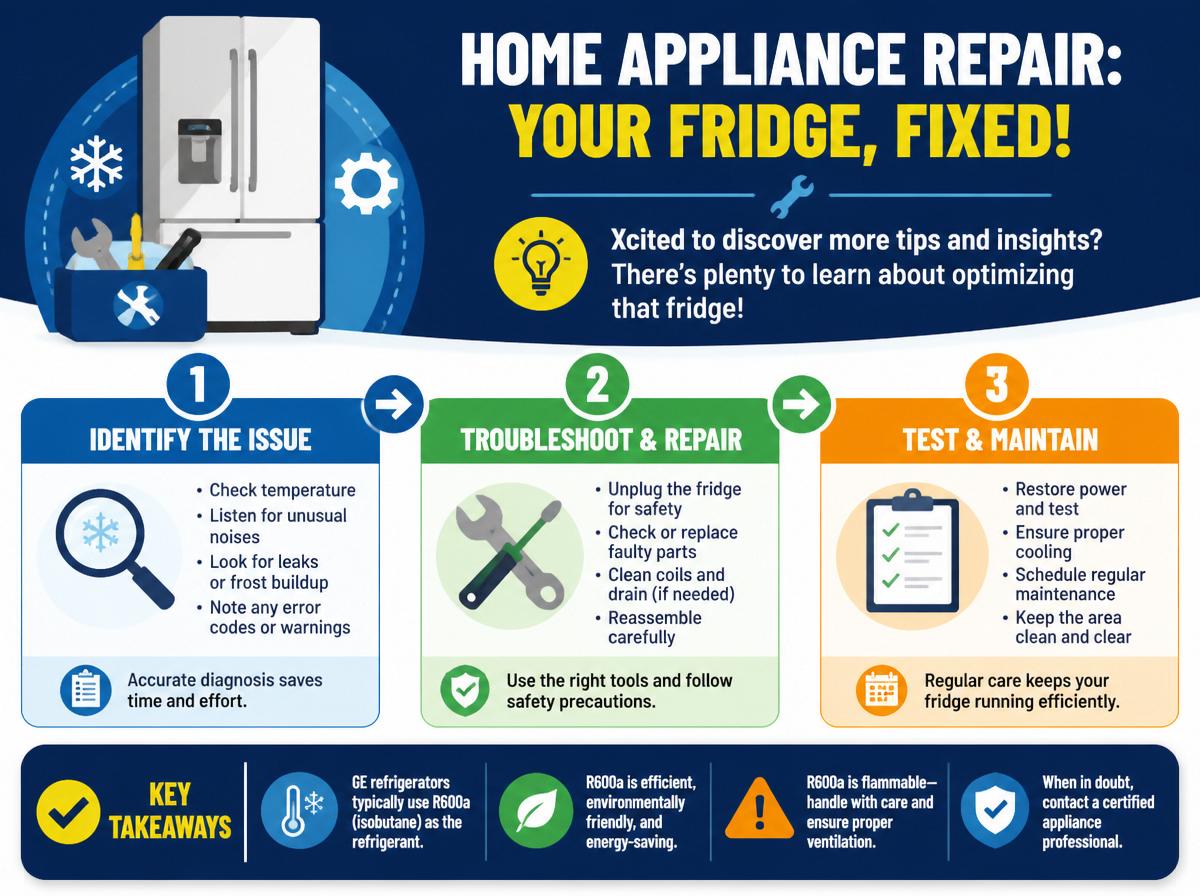
Key Takeaways
- GE refrigerators typically use between 100 and 800 watts, influenced by size and features like ice makers.
- Energy efficiency ratings allow comparison of GE models based on their electricity usage and savings potential.
- Newer GE refrigerator models generally incorporate advanced energy-saving technologies for reduced wattage consumption.
- Temperature settings, ideally kept at 37°F (3°C), significantly affect the energy consumption of GE refrigerators.
- Regular maintenance, including cleaning coils and checking seals, can enhance the energy efficiency of GE refrigerators.
Understanding Watt Usage in Refrigerators
When it comes to refrigerators, figuring out watt usage might feel a bit like solving a mystery. Each refrigerator uses a specific amount of watts to run, and knowing this helps homeowners understand their energy efficiency. Typically, a standard fridge will consume between 100 to 800 watts. It’s like a small buffet of energy usage! To find out a refrigerator’s wattage, one can check the label inside, or refer to the user manual. This knowledge is essential; lower watt usage usually means better energy efficiency, leading to lower electricity bills. Plus, being energy-efficient is great for the planet! Imagine the joy of saving money while helping the Earth—what a win-win! So, whether one is buying a new fridge or checking the old faithful, understanding watt usage can make the shopping experience easier and smarter. Every little bit helps, and each watt saved counts!
Factors Influencing GE Refrigerator Energy Consumption
When it comes to how much energy a GE refrigerator uses, two key factors are the temperature settings and the appliance’s age. Keeping the temperature too low can lead to extra energy usage, so finding that sweet spot is essential for both efficiency and your food’s freshness. Additionally, older models may consume more power, reminding us why it might be time to think about an upgrade—after all, even refrigerators deserve a little pampering!
Temperature Settings Impact
The temperature settings of a GE refrigerator play an essential role in its energy consumption, as each degree can noticeably impact how hard the appliance works. By making smart temperature adjustments, users can greatly reduce energy use. Here are some friendly tips for optimizing fridge settings:
- Keep the fridge at 37°F (3°C) This is the ideal temperature for balancing freshness and power savings.
- Avoid frequent opening Each time the door opens, cold air escapes, making the fridge work harder.
- Limit food storage Overpacking can block air vents, hindering circulation and efficiency.
- Check seals Make sure the door seals are tight, as gaps let cold air slip away.
These small adjustments can make a big difference in energy efficiency!
Appliance Age Matters
Appliance age can greatly affect how much energy a GE refrigerator uses. When considering an appliance lifespan analysis, it’s crucial to note how older models often consume more electricity than newer ones. This is due to advances in technology that improve energy efficiency. Refrigerator age implications can lead homeowners to spend more on their energy bills as the unit ages and components wear out. For example, a refrigerator from the 2000s might use twice as much energy as a more recent one. As a result, upgrading to a newer model could save money and energy in the long run. So, before you panic over your electric bill, check the fridge’s age; it may just need a heartfelt retirement!
Comparing GE Refrigerator Models by Wattage
Choosing a GE refrigerator can feel like peering into a treasure chest of options, each with its own unique wattage. When doing a GE refrigerator comparison, it’s vital to understand the wattage differences among models. This helps in making an informed decision that balances features with energy usage. Here are four key points to keep in mind:
- Size Matters: Larger models typically use more wattage due to increased cooling needs.
- Cooling Technology: Different technologies can affect energy efficiency and wattage consumption.
- Additional Features: Features like ice makers or smart technology may increase watt usage.
- Model Age: Newer models usually incorporate energy-saving technologies that use less wattage.
The Role of Energy Efficiency Ratings
Energy efficiency ratings play an important role when selecting a GE refrigerator, helping buyers make smart choices while saving money on their electric bills. These ratings come in the form of energy labels, which provide clear information about how much electricity the appliance uses. Understanding these labels allows potential buyers to compare different models easily.
Refrigerators must meet specific efficiency standards set by government agencies, ensuring they consume less energy without sacrificing performance. A model with a higher efficiency rating not only reduces utility costs but is also better for the environment.
Think of it like choosing between two sneakers; one uses a lot of energy and one uses a little. The one that uses less is the “sneaker superstar”! So, before making a purchase, examining these ratings can lead to better decisions, turning shopping into a fun quest for savings. Remember, every little bit helps!
Practical Tips for Reducing Energy Consumption
Reducing energy consumption in a GE refrigerator can be as simple as making a few small adjustments. By embracing energy-saving habits and practicing efficient appliance use, anyone can make a positive impact. Here are four practical tips:
- Keep it cool: Set the refrigerator temperature between 35°F and 38°F and the freezer at 0°F for the best balance of freshness and efficiency.
- Seal the deal: Check door seals for air leaks. A tight seal keeps the cold air inside, reducing work for the fridge.
- Stock it right: A full fridge retains cold better. Avoid overpacking, but try to keep it reasonably filled for efficiency.
- Limit openings: Minimize door openings. The less time the door is open, the more energy saved!
With these simple changes, anyone can enhance their refrigerator’s performance while also enjoying the benefits of reduced energy bills. Every small step counts!
Maintenance Tips for Optimal Performance
Keeping a GE refrigerator running smoothly requires some simple maintenance tasks that anyone can handle. By setting up a regular cleaning schedule and adjusting the thermostat for peak temperatures, users can guarantee better performance and energy efficiency. It’s like giving your fridge a little extra love—after all, a happy fridge means fresh food and lower electric bills!
Regular Cleaning Schedule
When homeowners take the time to regularly clean their GE refrigerator, they often find that it runs more smoothly and efficiently. Establishing a cleaning schedule can make a big difference in performance. Here are some friendly tips for effective cleaning techniques and maintenance frequency:
- Weekly Wipe-Down: Quickly clean spills and crumbs to prevent buildup of odors.
- Monthly Deep Clean: Remove and wash shelves, and discard expired items for freshness.
- Yearly Thorough Inspection: Check the coils at the back; dust them to improve efficiency.
- Organize Regularly: Keep items orderly to allow proper airflow and make cleaning easier.
Following this regular cleaning schedule can help guarantee that your GE refrigerator works like the champion it is!
Thermostat Setting Adjustment
Setting the right thermostat on a GE refrigerator can considerably boost its performance and efficiency. For ideal settings, it is essential to calibrate the thermostat correctly. Most experts recommend keeping the temperature between 37°F and 40°F for the fridge section and 0°F for the freezer. Regularly checking the thermostat guarantees it’s working accurately, as a small adjustment can make a big difference. If your fridge isn’t cooling properly, it might be time to revisit those settings! A little tweak here and there can save energy and keep food fresh. Remember, keeping temperatures just right not only extends the life of your appliance but also saves you some bucks on the energy bill. So go ahead—mold those dials!
Calculating Annual Energy Costs
Calculating annual energy costs for a GE refrigerator can seem tricky, but with a little guidance, it becomes much easier! By understanding the energy usage and how to calculate costs, anyone can tackle this task confidently. Here’s a simple way to get started:
- Find the wattage of your refrigerator (usually listed on the label).
- Convert watts to kilowatts by dividing by 1,000.
- Multiply by hours in a year (8,760) to get total kilowatt-hours.
- Multiply by your local energy cost per kilowatt-hour to find the annual energy cost.
Using this method can make energy cost and usage calculation feel like a breeze! It helps people understand how much their fridge is costing them, leading to better choices down the road. So, give it a try! You might even discover savings you didn’t expect!
Upgrading Your Refrigerator: What to Consider
Upgrading a refrigerator can be an exciting opportunity to improve a kitchen’s efficiency and style! When considering a new fridge, energy savings should take center stage. Modern models often use much less energy, which can mean lower electricity bills. Plus, that’s good for the planet too!
It’s also important to think about refrigerator features. For example, adjustable shelves can make organizing easier, while an ice maker adds a fun touch. Look for options like smart technology that lets you control your fridge from your phone—how cool is that?
Don’t forget to measure the space in your kitchen before you shop. A new fridge should fit just right! Ultimately, research different brands and read reviews. This helps in making an informed choice. Remember, choosing the right refrigerator can be a fun adventure that ultimately enhances your everyday life! Happy fridge hunting!
Frequently Asked Questions
How Do Watt Usage and Appliance Age Correlate in GE Refrigerators?
Watt usage in GE refrigerators typically increases with appliance age, leading to decreased watt efficiency. As the appliance lifespan extends, older models may consume more energy, prompting potential upgrades for improved efficiency and lower energy costs.
What Impact Does Ambient Temperature Have on GE Refrigerator Wattage?
Ambient temperature markedly impacts GE refrigerator wattage, with higher temperatures increasing energy consumption. Conversely, cooler environments enhance energy efficiency, reducing watt usage. Consequently, ambient temperature plays a critical role in maintaining ideal refrigerator operation and performance.
Are There Specific Wattage Recommendations for Larger Families?
For larger families, energy efficiency is essential; typically, a refrigerator size of 20-25 cubic feet is recommended. This size balances capacity and wattage consumption, maximizing energy savings while accommodating family food storage needs effectively.
How Can Food Placement Affect a GE Refrigerator’s Watt Usage?
Food organization dances within the confines of a GE refrigerator, where strategic placement enhances cooling efficiency. Thoughtful arrangement helps cold air circulate freely, reducing watt usage, ensuring freshness like a well-composed symphony in a chilly ballet.
Do Energy-Saving Modes Really Reduce Watt Consumption in GE Models?
Energy-saving modes in GE refrigerator models do indeed reduce watt consumption, enhancing energy efficiency. By adjusting refrigerator settings, users can optimize performance, leading to lower electricity bills while maintaining food preservation standards effectively.
Conclusion
In conclusion, understanding the watt usage of a GE refrigerator can help everyone make smarter energy choices. With various models and features, it’s important to see which one fits best! Have you ever wondered how much you could save by keeping your fridge in tip-top shape? By following simple maintenance tips and energy-saving practices, anyone can reduce their bills and help the planet a little more. So, let’s keep that fridge running smoothly and save some cash while we’re at it!
Explore This Topic
- Back to GE refrigerator
- Back to energy efficiency
Related guides in this cluster: